


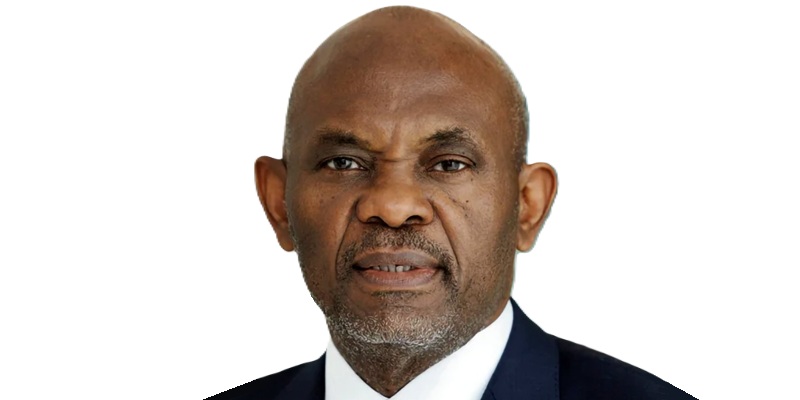

TD Nigerians have taken to social media to challenge billionaire businessman and Heirs Energies Chairman, Tony Elumelu, over his claim that Nigeria’s oil losses to theft have fallen dramatically since the administration of President Bola Ahmed Tinubu came into office.
Elumelu, speaking in a recent address, said he was speaking as a businessman rather than a politician.
He credited changes introduced since 2023 with significantly improving oil production and reducing losses.
According to him, oil losses that stood at 97 per cent before 2023 have fallen to about 2 per cent.
The remarks mean that approximately 98 per cent of production is now retained.
Elumelu said Heirs Energies currently produces more than 58,000 barrels of crude oil per day.

He, thereby, attributed improvements in its operations to enhanced security and policy changes.
Nigerians Question Elumelu’s Claims
While some Nigerians welcomed the reported reduction in oil theft, others questioned the broader implications of the development.
They particularly questioned whether improved oil-sector performance has translated into better living conditions for ordinary citizens.
Social media user Ben Marke sarcastically contrasted Elumelu’s figures with the economic situation facing Nigerians.
“So you mean the previous government were running the country on 3% crude production and yet the hardship is nothing compared to this government running on a 98% production,” he wrote.
He, meanwhile, also cited subsidy removal, borrowing and poor budget implementation to factors bedeviling Tinubu’s administration.

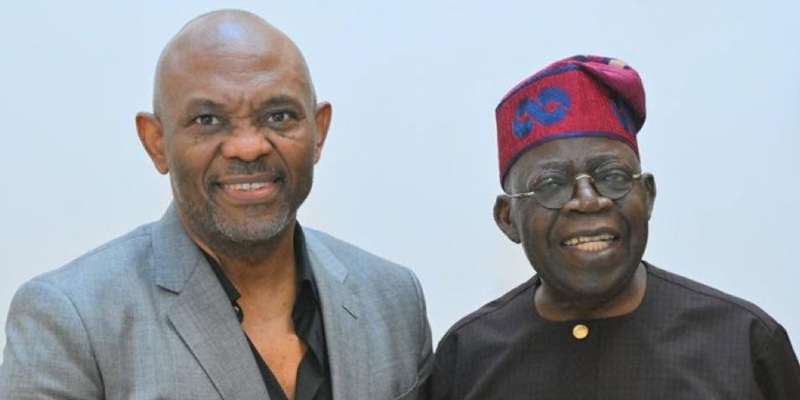
Another commentator, Charles O, questioned why Elumelu had not made similar comments in 2023.
“You should have made these same assertions as non-politician in 2023,” he wrote.
He suggested that business interests could influence the tone of the billionaire’s assessment of the Tinubu administration.
Others questioned whether the reported improvement in oil theft had produced tangible benefits for the wider population.
“The truth is that he is solely speaking for himself and not the whole Nigeria,” another user wrote.
The user asked how the reported gains had affected the average Nigerian.

‘98% Oil Retention Is Good, But What About Nigerians?’
Another contributor, Franklyn, acknowledged Elumelu’s reported 98 per cent retention figure but asked whether Nigerians were actually living better than they were three years ago.
“Yes, we achieved 98% in June!” he wrote.
“The big question remains: how has all this transformed Nigeria’s life over the past three years?” he added.
He argued that improvements in oil production would have limited meaning if they did not translate into reduced poverty, better security, lower living costs and improved economic opportunities.
Official Data Shows Oil Theft Has Declined
Available industry data does support the broader claim that crude-oil losses in Nigeria have fallen significantly in recent years.
Data attributed to the Nigeria Extractive Industries Transparency Initiative (NEITI) showed that reported crude-oil theft and losses declined substantially between 2022 and 2023.
However, the 97 per cent-to-2 per cent figures cited by Elumelu appear to relate specifically to his company’s operations.
They should not automatically be interpreted as representing the entire Nigerian oil industry.
This distinction has become central to the online debate.
Critics argue that improved production and reduced theft must ultimately be measured against government revenue, public spending and living standards.
The controversy therefore goes beyond Elumelu’s statement.
It raises a broader question about Nigeria’s oil sector:
“If the country is retaining significantly more of its crude production, how much of the resulting economic benefit is reaching ordinary Nigerians?
For many Nigerians, the debate is not simply about whether oil theft has declined.
It is about whether increased oil revenues are translating into”
- better infrastructure,
- employment,
- food security,
- affordable energy,
- improved security, and,
- higher standard of living.
The contrasting reactions underscore the growing disconnect between headline economic indicators and citizens’ everyday experiences.
Supporters point to improvements in oil-sector performance, while critics insist that the ultimate test of economic reform is whether ordinary Nigerians actually feel better off.