
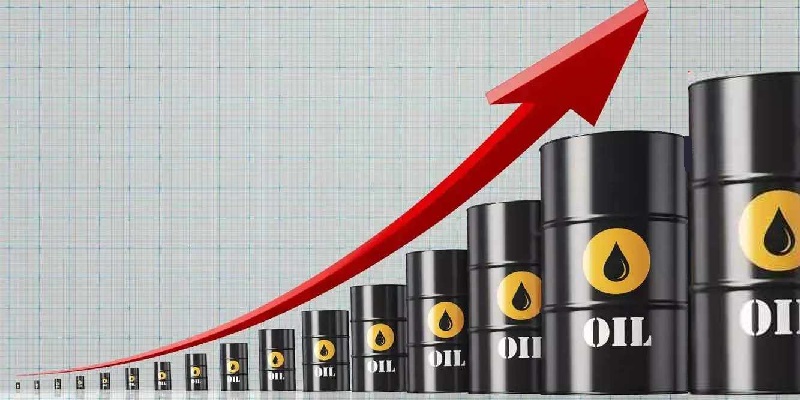
As global oil prices surge, Nigeria’s government is reaping unprecedented revenues.
Yet ordinary Nigerians are grappling with skyrocketing fuel costs that threaten businesses, hospitals, and households.
Analysts and civil society groups argue that the time has come for decisive government action: a temporary subsidy on petrol and diesel to cushion citizens against economic hardship.
Rising Oil Revenues, Rising Expectations
Nigeria, Africa’s largest oil producer, has seen its earnings swell in recent months due to higher crude prices on the international market.
With this windfall, critics insist the government now has both the capacity and obligation to provide relief.
- Oil revenues have expanded significantly, bolstering foreign reserves.
- The government’s fiscal position is stronger than at any point in recent years.
- Citizens, however, face daily struggles as transport, electricity, and food costs spiral.
Observers note that while the government has celebrated its revenue gains, it has yet to translate them into tangible relief for the population.
Consequences of Inaction
Failure to act could carry serious and far‑reaching consequences:
- Businesses: Many small and medium enterprises already struggling with high operating costs may be forced to scale down or shut down.
- Hospitals: Medical facilities, heavily reliant on diesel generators due to unreliable power supply, could face partial or complete closure.
- Households: Families are cutting back on essentials as transport and food prices soar, deepening poverty levels.
Economists warn that without intervention, Nigeria risks a wave of closures, job losses, and worsening public health outcomes.
Lessons from Abroad
Nigeria is not alone in facing energy price shocks.
Several countries have adopted temporary subsidies to protect citizens:
- United Kingdom: Introduced energy bill support schemes when gas prices surged.
- Germany and France: Rolled out fuel rebates and capped electricity prices.
- Spain: Subsidised transport fuel to ease the burden on commuters.
Advocates argue that Nigeria should follow suit, using its oil windfall to provide short‑term relief while pursuing long‑term reforms in energy and infrastructure.
Public Outcry
Civil society organisations, labour unions, and ordinary Nigerians are increasingly vocal:
Labour leaders warn of strikes if fuel prices remain unchecked.
Community groups highlight the disproportionate impact on rural areas where diesel generators are the only power source.
Social media campaigns are gaining traction, with hashtags demanding government action trending nationwide.
One activist put it bluntly: “The government cannot boast of record oil revenues while citizens are crushed under record fuel prices.”
Policy Options
Experts suggest several measures the government could adopt:
- Temporary Subsidy: Directly reduce pump prices for petrol and diesel for a defined period.
- Targeted Relief: Provide fuel vouchers or rebates to critical sectors such as healthcare and transport.
- Price Stabilisation Fund: Use excess oil revenues to cushion future shocks.
- Infrastructure Investment: Channel revenues into power generation and refining capacity to reduce reliance on imports.
While subsidies carry fiscal risks, analysts argue that Nigeria’s current revenue position makes them viable in the short term.
Way Forward
Nigeria stands at a crossroads.
With oil revenues soaring, the government has a rare opportunity to provide immediate relief to citizens battered by global economic pressures.
Failure to act could deepen economic distress, shutter businesses, and cripple hospitals.
The message from Nigerians is clear: subsidise fuel now, even if temporarily.
Just as European nations stepped in to protect their citizens during energy crises, Nigeria must rise to the occasion.
Analysts and observers frame the urgency of the subsidy debate and situates Nigeria’s challenge within a global context.