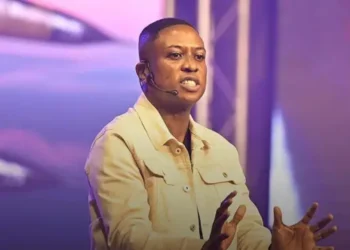




TDEducation advocate and CEO of Educare, Alex Onyia, has spotlighted yet another alarming case of systemic corruption in Abia State’s higher education system.
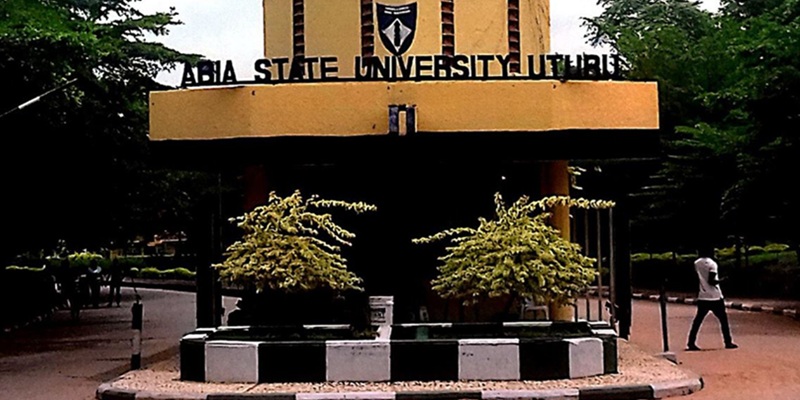
In a widely circulated post on May 20, 2026, Onyia revealed that medical students who sat for the 2021-MB examinations at Abia State University (ABSU) were allegedly coerced into “sorting” — paying between N1 million and N1.5 million — to pass.
Those who refused reportedly failed and faced withdrawal from the program.
This latest disclosure forms part of Onyia’s sustained campaign against malpractice, extortion, fake certificates, sex-for-grades, and victimization across Nigerian universities, with a sharp focus on South East institutions.
His posts document a pattern where academic success depends on financial transactions rather than merit, eroding the integrity of degrees and producing graduates lacking genuine competence.
Broader Context of Exposés at ABSU
Onyia’s advocacy began gaining traction earlier in May 2026 with detailed allegations against specific lecturers and systemic practices at ABSU.

One high-profile case involved Dr. KC Izuogo of the Department of Mass Communication, accused of forcing students to buy his N5,000 handout for “Introduction to Advertising” and pay an additional N20,000 to pass.
Non-compliant students allegedly failed automatically. Following public outcry and government scrutiny, the lecturer was suspended, with revelations that his certificates (WAEC, BSc, and PhD) were fake.
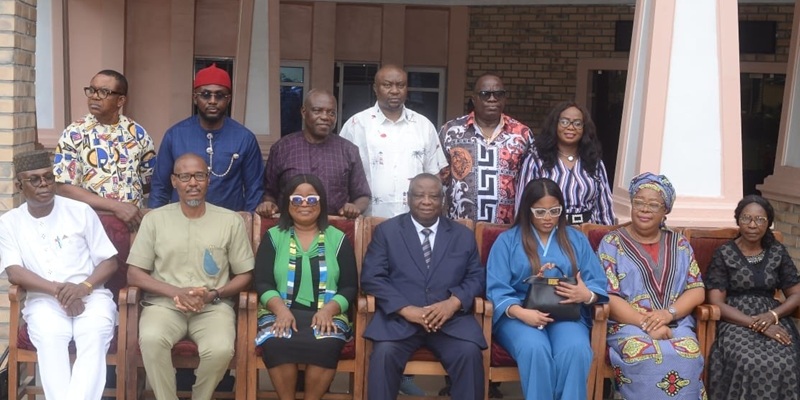
Onyia described deeper operational tactics: lecturers allegedly recruit course representatives as agents who use coded language like “prayer point” or “work with” on WhatsApp groups to demand cash payments for handouts and sorting. Exam scripts reportedly go unmarked without these bribes, sometimes involving sex-for-grades. He argued these practices train students to prioritize manipulation over hard work, directly fueling national corruption.
In response, the Abia State Government, under what Onyia portrays as decisive leadership, established investigative panels. Students were urged to submit confidential reports via Absuinvestigations2026@gmail.com. Authorities committed to probing sorting, extortion, harassment, victimization, sex-for-grades, and fake qualifications. Onyia reported intensified efforts, promising to fish out all fake certificate holders for suspension.
He further recommended policy changes, such as returning marked exam scripts to students for review, to eliminate opaque marking and victimization.
Onyia’s Wider Campaign
Onyia frames educational corruption as a “national security threat” and “formation problem,” not merely political. He traces how malpractice from secondary school (e.g., WAEC runs) normalizes fraud in universities, producing incompetent graduates who perpetuate societal decay. His broader work includes promoting STEM excellence through the South East Maths Olympiad, registering students across states, and preparing winners for international competitions in Rome. He contrasts this with ranking data showing Abia lagging in the South East and calls for urgent teacher/lecturer re-evaluation.

Posts highlight similar issues elsewhere (e.g., IMSU, UNTH job racketeering) but emphasize Abia’s proactive investigations as a model for restoring excellence. Onyia envisions ABSU graduates competing with top African and federal universities within years, contributing quality human capital to the region.
Implications and Call for Justice
These revelations underscore how entrenched “sorting” undermines merit, discourages genuine learning, and compromises professional fields like medicine. Forcing future doctors to buy passes poses direct risks to public health and safety. Onyia’s consistent documentation, combined with government action — including suspensions and panels — signals a potential turning point.
As investigations proceed into the 2021-MB scandal and related cases, stakeholders anticipate accountability. Onyia’s message remains resolute: “Justice will be served. We will restore integrity!” His work via platforms like campusintegrity.ng amplifies student voices while pushing systemic reform.
Restoring credibility to certificates requires sustained commitment: transparent assessments, severe penalties for offenders, and incentives for excellence. Onyia’s advocacy demonstrates that exposing rots, paired with responsive governance, can rebuild trust in education — the foundation for any nation’s progress.