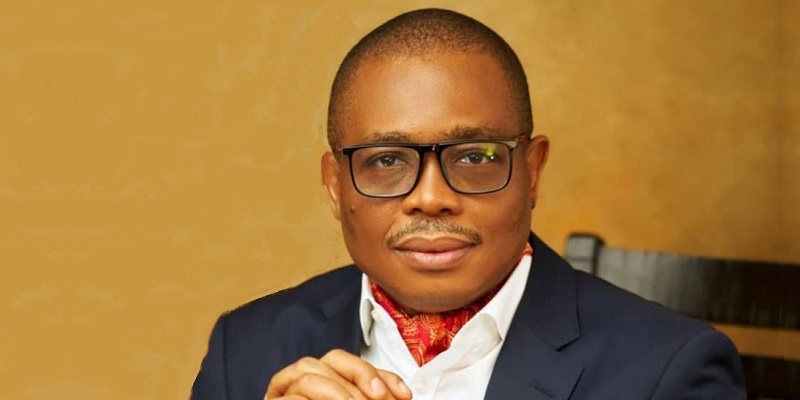
TD ABUJA, FCT — The President of the Nigerian Bar Association (NBA), Mazi Afam Osigwe, SAN, has criticised the Economic and Financial Crimes Commission (EFCC) over its decision to freeze the bank accounts of the Osun State Government.
Mazi Osigwe described the action as unconstitutional and an abuse of power.
Osigwe maintained that no government agency has the legal authority to unilaterally freeze the accounts of a state government without first obtaining a valid court order based on sufficient legal grounds.
The NBA President admitted that anti-corruption agencies have the responsibility to investigate allegations of financial crimes.
However, speaking on the development, he stressed that such powers must be exercised within the limits of the law.
“If there is a need to freeze the account of a person or government, there is a need to provide a proper basis for it and get a proper order,” Osigwe said.
He argued that the constitutional principle of due process must be respected at all times.

He warned that allowing agencies to freeze government accounts without judicial authorisation could create a dangerous precedent capable of undermining Nigeria’s constitutional democracy.
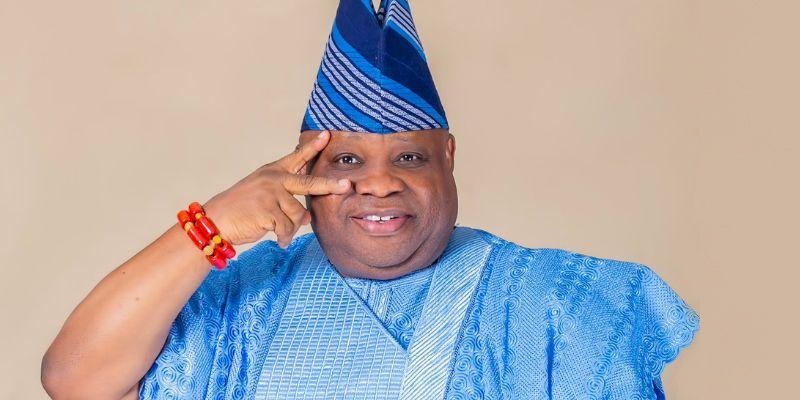
EFCC Explains Osun State Account Freeze Decision
The NBA President’s comments came after the EFCC issued a statement defending its decision to place a Post No Debit order on the Osun State Government’s bank accounts.
According to the anti-graft agency, the action was taken as part of an ongoing investigation.
The Commission said it is investigating alleged fraudulent management of public funds by the Osun State Government.
It disclosed that it has been investigating the state government since March 2026.

Its investigations cover alleged mismanagement of Ecology Funds, Intervention Funds and allocations from the Federation Account Allocation Committee (FAAC) amounting to approximately ₦11 billion.
The EFCC stated that several state officials, including the Accountant General of Osun State, have already been questioned as part of the investigation.
‘Suspicious Fund Movements by Osun Government Triggered Freeze’
The Commission explained that it initially had no intention of freezing the state’s accounts despite the ongoing investigation.
However, it claimed that investigators observed what they described as sudden and suspicious movements of large sums of money beginning on August 2, 2026.
According to the EFCC, substantial amounts were allegedly transferred from government accounts into several corporate accounts considered suspicious by investigators.

The agency said it acted swiftly by placing a Post No Debit order on the affected accounts to prevent what it described as the possible diversion of public funds.
“The Commission noticed huge transfers of funds into different corporate entities and had to swiftly halt the trend by freezing the accounts from which such heavy funds are being moved,” the statement said.
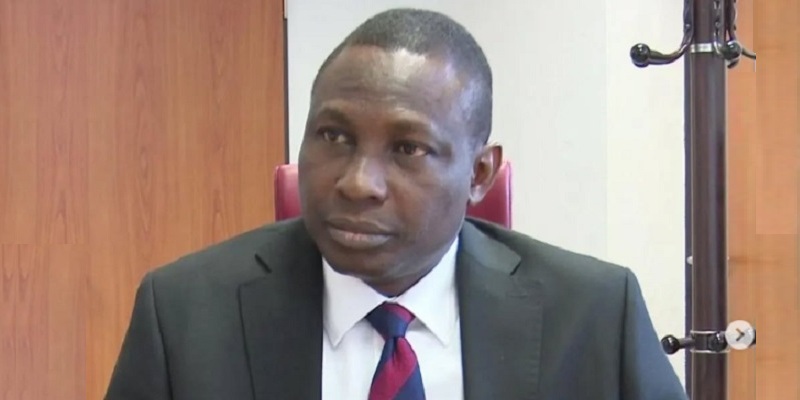
EFCC Says Action Was Preventive, Not Political
On its part, the state government alleged that the action was politically motivated ahead of the forthcoming Osun State governorship election.
Responding, the Commission insisted that its intervention was purely preventive and consistent with its statutory mandate to protect public resources.
The EFCC said it could not ignore what it considered an imminent threat to public funds simply because an election was approaching.
“The Commission cannot watch idly while a state government’s account is being pillaged,” it stated.
The anti-corruption agency also disclosed that Osun is not the only state under investigation.
It revealed that the finances of several other states are currently under scrutiny as part of broader efforts to promote accountability and transparency in the management of public funds.
It maintained that its operations are non-partisan and guided solely by public interest.
Debate Over Scope of EFCC Powers
The freezing of Osun State’s accounts has sparked renewed debate over the scope of the EFCC’s investigative powers and the constitutional protections afforded to state governments.
The Commission argues that the freeze was necessary to prevent the alleged diversion of public funds during an ongoing investigation.
Meanwhile, the NBA President insists that any restriction on access to bank accounts must be backed by a lawful court order issued upon proper legal justification.
This, he said, is regardless of whether belonging to individuals, companies or government institutions.
The differing positions have brought into focus the delicate balance between:
- empowering anti-corruption agencies to safeguard public resources, and,
- ensuring that investigative powers are exercised in accordance with constitutional safeguards and the rule of law.
The controversy is expected to generate further legal and political debate.
Presently, the investigation into the alleged ₦11 billion fraud continues and with the Osun State governorship election drawing closer.