



TD Abuja, FCT — A viral video clip circulating on Nigerian social media has reignited debate over the Tinubu administration’s handling of the national budget.
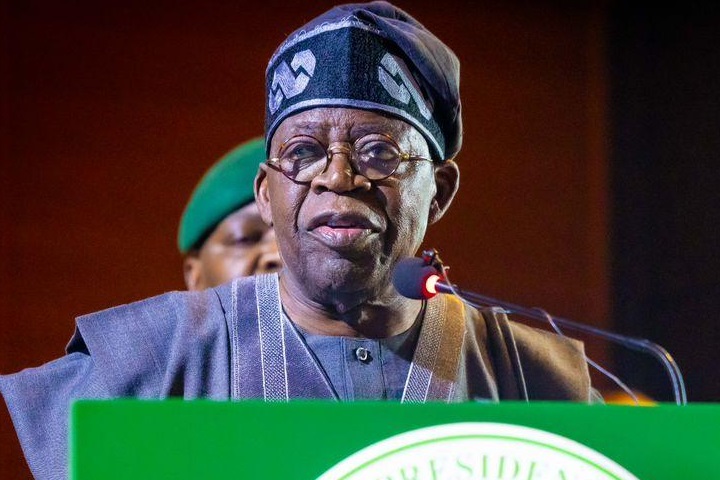
The footage shows a man speaking passionately, criticizing what he described as three years of failed budget implementation.
The speaker, believed to be a lawmaker or public figure participating in a televised panel or legislative discussion, accused the government of running Nigeria “without implementing a budget for over three years now.”
His remarks were accompanied by reaction of other officials, underscoring the seriousness of the exchange.
Transcript Highlights
In the clip, the speaker declared:
“Three years since Tinubu’s government — 2024, 2025, and now 2026 — the budget has not been implemented.
“He has never implemented a budget. How does a country run without a budget?
“Oh, selective financing of projects.
“And we have borrowed and borrowed and borrowed. Where is the money we are borrowing?”
He went on to stress that revenue-generating agencies had reported exceeding their targets, yet Nigerians were not seeing the benefits.

He urged President Tinubu to “correct these imbalances” and warned that ignoring the problem would lead to regret.
Context: Low Budget Execution
The video’s overlay text and accompanying graphics framed the remarks as commentary on Nigeria’s low capital budget execution rates.
Reports from 2025 indicated that only about 17–24% of capital projects had been implemented by mid-year, with multiple extensions and overlapping budgets creating confusion.
Newspapers and other outlets have documented repeated concerns in the National Assembly about poor budget performance.
They have also documented delays in releases, and the government’s reliance on borrowing despite revenue surpluses.
Public Reaction
The clip has sparked widespread outrage online.

Several Nigerians are lamenting the impact of weak budget execution on infrastructure, healthcare, and education.
Social media users amplified the lawmaker’s message, pointing to rising inflation, unemployment, and hardship.
These, they say, are evidence that government spending is not reaching ordinary citizens.
Civil society groups have also weighed in, calling for greater transparency in budget implementation and urging the administration to prioritize accountability.
Broader Implications
The controversy highlights a recurring challenge in Nigeria’s fiscal governance: while budgets are passed annually, actual implementation often lags far behind.
Analysts warn that persistent underperformance undermines public trust and hampers economic growth.

As Nigeria grapples with a ₦31.45 trillion deficit in its ₦68.3 trillion 2026 budget, critics argue that effective implementation is more critical than ever.
The viral video has added fuel to calls for reform.
Many observers are demanding that President Tinubu take urgent steps to ensure that budget allocations translate into tangible development outcomes.