TDThe International Society for Civil Liberties and Rule of Law (Intersociety) has released its 2026 Mid-Year Report on religious violence in Nigeria.
Intersociety alleged that thousands of civilians were killed, abducted, and displaced between January and June 2026 amid escalating attacks by armed groups and what it describes as the failure of state authorities to provide adequate protection.
The report, unveiled on Thursday by Intersociety Board Chair, Emeka Umeagbalasi, bears the title: “Nigerian Islamic Jihadist And Their State-Actor Aiders And Abettor Perpetrated 22 International Heinous Crimes, Killing 2,550 Christians And 1,050 Muslim Civilians In Jan-June 2026; Abducted 2,800 Christians And 1,150 Muslims, Destroyed 300 Churches, Killed 10 Christian Pastors And Abducted 10 Others—During Which 800 Christian Women And Children Were Forcibly Converted To Islam In Captivity And 175 Underage Christian School Children Abducted And Still Held In Captivity.”
According to the organization, the publication consists of a 10-page analytical report accompanied by a 66-page compilation of incident data.
The data, Intersociety says, documents attacks, abductions, killings, and destruction of religious infrastructure across several parts of Nigeria during the first six months of the year.
Key Findings Presented by Intersociety
Intersociety alleges that during the review period:

-
2,550 Christians and 1,050 Muslim civilians were killed in attacks linked to armed groups.
-
2,800 Christians and 1,150 Muslims were abducted.
-
Approximately 300 churches were destroyed.
-
Ten Christian pastors were killed, while another ten were abducted.
-
Around 800 Christian women and children were allegedly forcibly converted to Islam while in captivity.
-
At least 175 underage Christian schoolchildren remained in captivity after being abducted.
The organization further claims that these incidents amount to what it describes as “22 international heinous crimes,” while alleging complicity or protection by certain state actors.
These allegations have not been independently verified, and Nigerian security agencies have consistently rejected accusations of collusion with criminal or terrorist groups.
Call for Religious Freedom and Accountability
In a message accompanying the report, Umeagbalasi thanked supporters of the organization for what he described as their continued commitment to promoting religious freedom in Nigeria.
He said the report was the product of months of intensive research, data collection, and verification efforts.
According to him, the publication required “three months of restlessness and several weeks of sleepless nights,” adding that the organization remained committed to documenting incidents affecting religious communities across the country.
“We are resilient and unyielding. Aluta Continua, Victoria Ascerta,” he stated.

Meanwhile, he expressed appreciation to advocates who have supported Intersociety’s campaigns on freedom of religion.
Individual Cases Highlighted
To illustrate the human impact of the violence, the report highlighted the case of Elder Musa Usman, described as an elder of the Evangelical Church Winning All (ECWA) in Damaturu, Yobe State.
According to Intersociety, Elder Usman was travelling from Damaturu to Biu, Borno State, in June aboard a commercial vehicle carrying both Christian and Muslim passengers when suspected Boko Haram fighters intercepted the vehicle.
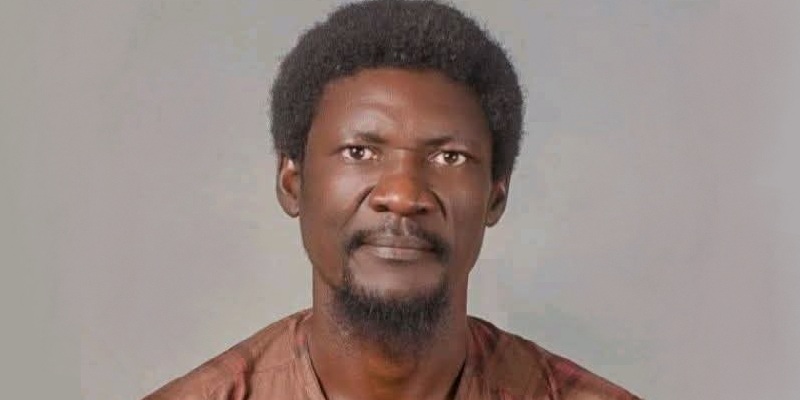
The organization alleged that after identifying him as the only Christian passenger, the attackers abducted him while allowing the Muslim passengers to continue their journey.
His whereabouts remain unknown, according to the report.
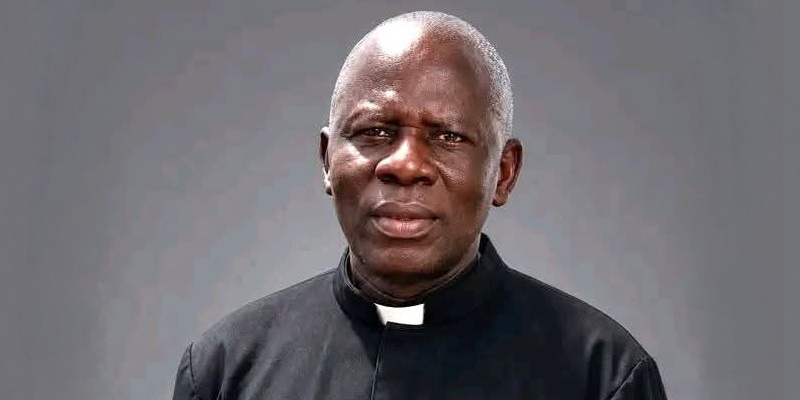
The publication also drew attention to the death of Reverend Marcus Nyam, identified as a senior pastor of the Church of Christ in Nations (COCIN).

Intersociety alleged that he was among 30 Christians killed during an attack on Kawel Village in Bokkos Local Government Area of Plateau State on June 22, 2026.
According to the report, 18 victims died at the scene while 12 others later succumbed to injuries sustained during the attack.
Continuing Security Challenges
Nigeria has continued to face complex security challenges involving insurgent groups, armed bandits, kidnappers, and communal violence, particularly across the North-East, North-West, North-Central, and parts of southern Nigeria.
Human rights organizations have repeatedly documented attacks against civilian populations, including religious communities.
Those organizations also call for stronger protection measures and greater accountability.
Successive Nigerian governments have maintained that security agencies are actively combating insurgency, terrorism, and criminality across the country through military operations and intelligence-led interventions.
Authorities have also stated that victims of insecurity include people of different religious and ethnic backgrounds.
They have consistently denied allegations that government institutions deliberately protect perpetrators of violence.
Independent Reports Confirm Incidents
As Intersociety’s report presents detailed statistics and incident accounts, many of the figures and allegations contained in the publication have been independently verified by foreign agencies or neutral international monitoring bodies.
Conflict documentation in Nigeria often varies between organizations because of differences in methodology, definitions, access to affected communities, and reporting timelines.
Analysts note that casualty figures from conflict zones frequently differ among civil society organizations, humanitarian agencies, security institutions, and media reports, making independent verification an ongoing challenge.
Nevertheless, reports from civil society organizations continue to contribute to public discourse by documenting incidents that may otherwise receive limited national attention and by advocating for improved protection of vulnerable communities.
Broader Implications
The release of the report comes amid renewed concerns over insecurity and ahead of increasing political activities leading toward the 2027 general elections.
Human rights advocates continue to urge Nigerian authorities to strengthen intelligence gathering, improve community policing, prosecute perpetrators regardless of affiliation, and ensure equal protection for all citizens irrespective of religion or ethnicity.
They also call for enhanced support for victims of violence, including displaced persons, abductees who regain freedom, and communities rebuilding after attacks.
As debates over the scale and nature of religiously motivated violence continue, stakeholders across civil society, faith-based organizations, and government institutions are expected to examine the findings presented in Intersociety’s latest report.
The organization says both its summary report and the accompanying 66-page database have been published on its website.
This will enable researchers, policymakers, journalists, and members of the public to examine the evidence underlying its claims.
Intersociety maintains that continued documentation is essential to promoting accountability, protecting religious freedom, and ensuring that victims of violence are not forgotten.