A fresh controversy has emerged over the operations of a federal government agency following allegations that billions of naira were diverted by the Chief of Staff to the President, Femi Gbajabiamila, through questionable budgetary allocations and procurement arrangements.

At the centre of the claims is Gbajabiamila, who has been accused of involvement in an alleged ₦600 million bribery scheme and an ₦11.52 billion kickback linked to contracts under an agency with a ₦24 billion budget.
The allegations have generated widespread public debate over transparency, accountability and the management of public funds.
While Gbajabiamila has firmly denied any wrongdoing, insisting that the allegations are false and politically motivated, documents cited by the accusers—including budget records—have been presented as evidence to support their claims.
The conflicting narratives have intensified calls for an independent investigation to establish the facts, determine whether due process was followed in the agency’s financial transactions, and ensure that anyone found culpable is held accountable.
Introduction: A Tale of Two Realities
Nigeria is once again caught in the throes of a governance scandal that exposes the fragility of its institutions.
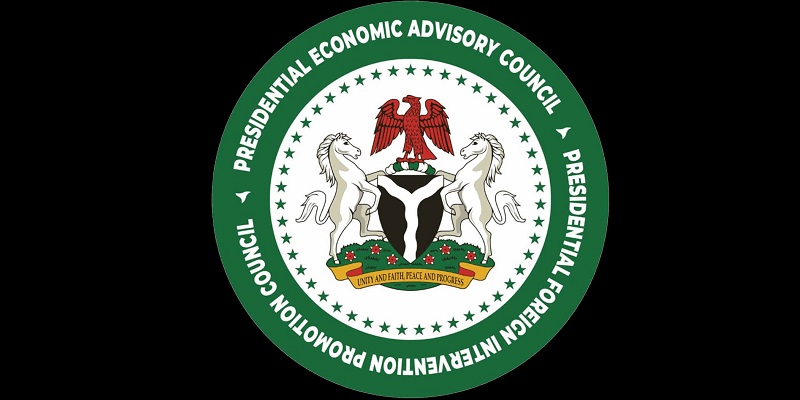
At the center of the storm is a ₦24 billion “take-off grant” for a federal agency, Presidential Foreign Intervention Promotion Council (PFIPC), whose existence is now disputed.
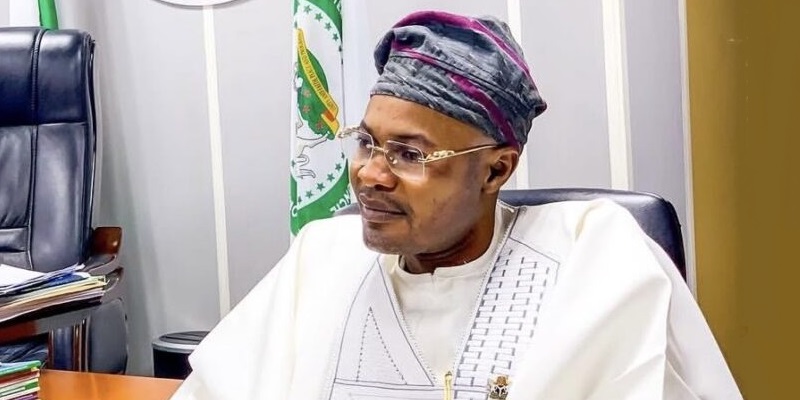
On one side, Chief of Staff Femi Gbajabiamila insists the agency does not exist.
On the other, Prince Adeniyi Adeyemi claims he paid ₦600m in cash to secure its leadership, only to be pressured into surrendering nearly half of its budget as kickback.
Both narratives cannot be true. The contradiction itself is the scandal.
The ₦600 Million Question
Adeyemi’s testimony is damning.
He allegedly paid ₦400m upfront and owed ₦200m more to secure appointment.
Trouble began when he refused to surrender 48% of the ₦24 billion grant—₦11.52 billion earmarked for “kickback.”
Gbajabiamila’s categorical denial raises the stakes. If the agency does not exist, then Nigeria’s budget is fraudulent.
If it does exist, then the Chief of Staff is implicated in a monumental abuse of office.
Either way, the Nigerian people are being deceived.
The Budget Trail
Budgets are not conjured by ghosts.
They pass through the Budget Office, National Assembly, and finally receive Presidential assent.
Section 80(4) of the Constitution is clear: no money leaves the treasury without legislative approval.
If this agency is fictitious, someone smuggled it into the Appropriation Act. That is legislative fraud.
Adeyemi’s claims also point to administrative complicity:
- Head of Service approvals for 300 staff.
- IPPIS payroll entries with BVNs and grades.
- CBN accounts opened in violation of Section 2 of the CBN Act.
Each of these steps requires official signatures.
If the agency is fake, then multiple layers of government colluded to operationalize a phantom institution.
The Silence of Security Agencies
An observer, Mr. Larry Edemanya, asked: “Why is Adeyemi not in DSS custody?”
Section 59 of the Criminal Code criminalizes false alarms.
Accusing the Chief of Staff of ₦600 million bribery is not a trivial matter.
If his claims are false, he should already be facing prosecution.
The silence of Nigeria’s security agencies suggests either complicity or fear of exposing a deeper rot.
If Adeyemi Lied
- Forgery and False Alarm: Adeyemi would be guilty of fabricating documents and spreading falsehoods.
- Criminal Liability: He could face imprisonment under Section 59 of the Criminal Code.
- Institutional Failure: The fact that his claims gained traction shows how little trust Nigerians have in their government.
If Adeyemi Told the Truth
- Constitutional Breach:
Spending ₦24 billion without an enabling Act violates Section 80.
The Supreme Court in AG Lagos v AG Federation (2003) already ruled against such practices.
- Sale of Office:
Demanding ₦600 million for appointment breaches Section 98 of the Criminal Code and Section 10 of the ICPC Act.
- Kickback Scheme:
The alleged demand for 48% of the grant is a criminal breach of trust under Section 311 of the Penal Code.
This would mean Nigeria is witnessing state capture at the highest level—where public offices are sold and budgets are looted before a single kobo reaches the people.
The Evidence Nigerians Deserve
Edemanya insisted that Gbajabiamila and the Presidency must produce documents within 48 hours:
- The Gazette – What law created the agency?
- Budget Page – Certified True Copy of the Appropriation Act showing the line item.
- CBN Mandate Cards – Who are the signatories to the accounts?
- HoS Approval Letter – Proof of staff recruitment and payroll entries.
- Adeyemi’s Appointment Letter – Or arrest him for forgery.
Without these, Nigerians are left with speculation and suspicion.
The Bigger Picture
This scandal is not just about one agency. It is about the collapse of constitutional safeguards.
Section 80 of the Constitution is being treated as a suggestion rather than binding law.
Budgets are manipulated like monopoly money. The judiciary is weakened because the executive toys with appropriations.
If a Chief of Staff can deny the existence of an agency that has budgetary allocation, staff approvals, and CBN accounts, then Nigeria’s governance framework is broken.
Conclusion: Handcuffs or Documents
Nigeria does not need press statements. It needs either documents or handcuffs.
If Adeyemi lied, he belongs in Kuje prison.
If he told the truth, then whoever sold that office and demanded ₦11.52 billion in kickbacks belongs there instead.
Ghost agencies and ghost denials cannot coexist in a functioning democracy. One of them is a lie.
And until the truth is revealed, Nigeria remains trapped in a cycle of corruption, denial, and institutional decay.