


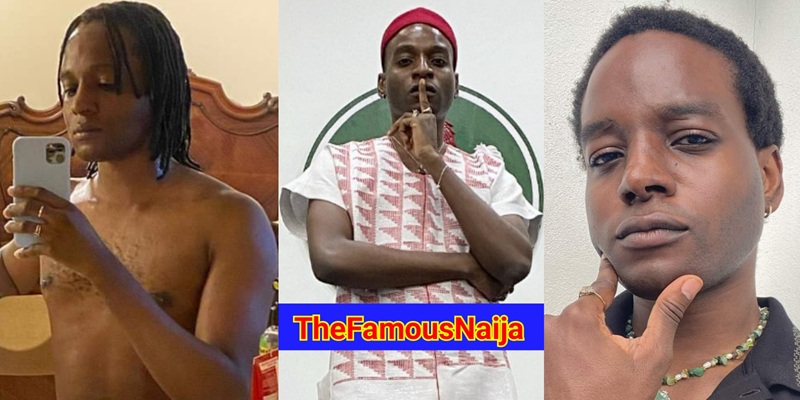
TD Awka, Anambra State — In a move that has sent shockwaves through Nigeria’s political circles and lit up social media, Ozonna Soludo, the first son of Anambra State Governor Professor Charles Chukwuma Soludo, has thrust himself into the national spotlight.
The thrust came with a daring dance video set to the controversial track “Shame Unto Nigerian Government”, by artist M-Josh.
The video, which has since gone viral, shows the young Soludo energetically dancing to lyrics that pull no punches.
It called out high-profile political figures including his own father, Governor Soludo, President Bola Ahmed Tinubu, Vice President Kashim Shettima, and several others.
What began as a seemingly light-hearted dance clip has evolved into a cultural moment.
It sparked intense debates about family loyalty, youthful rebellion, and the role of the children of the elite in holding power to account.

The Making of a Typhoon
For those familiar with Ozonna, this latest episode is hardly surprising.
The young man, who has affectionately dubbed himself “Baby Oku,” has long charted his own unconventional path.
Previously described by observers in various, sometimes unflattering terms, Ozonna has consistently operated outside the expected script for a governor’s son.
Many viewed his earlier public antics as embarrassing to the Soludo family brand.
Yet, beneath the surface, a different narrative was brewing.
This time, Ozonna has chosen to ruffle feathers on a national scale.

By dancing boldly to a song that spares no sacred cows in Nigeria’s political landscape, the young man has effectively declared: I am my own person.
Supporters see it as the birth of a genuine social crusader — unconventional, yes, but driven by a cause.
Critics, predictably, have questioned the wisdom of publicly undermining his father’s administration.
But one thing is clear: Ozonna Soludo refuses to be confined by the traditional expectations of political offspring.
A Rebel with a Cause
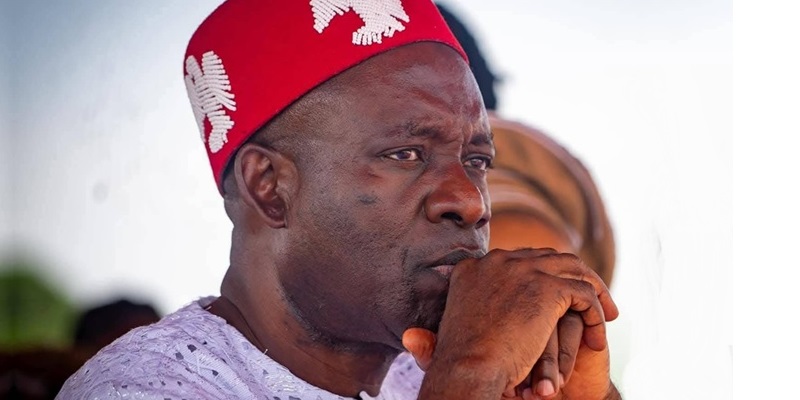
In Nigerian public discourse, children of prominent leaders often walk a tightrope — expected to uphold family honour while navigating their own identities.
Ozonna appears to have chosen the storm over the calm.

His supporters have already bestowed new monikers upon him: “Oso Soludo” (the fast/running Soludo), “The Ozonna Typhoon,” “Ada Anambra,” and of course, the ever-present “Baby Oku.”
“He is different from the usual Bala Blu, blublublu, bulaba brigade,” one social media commentator noted, drawing a sharp contrast with more performative or trend-chasing public figures.
Ozonna’s brand of rebellion, they argue, carries substance — a willingness to challenge the status quo even when it sits at his own family table.
Social media has been ablaze with reactions ranging from admiration for his courage to disappointment over perceived disloyalty.
The video’s virality underscores a deeper hunger among many young Nigerians for authenticity and bold voices willing to speak truth to power, regardless of personal consequences.
What Lies Ahead for the Typhoon?
As the dust settles on this latest controversy, all eyes remain on the governor’s son.
Will this be a one-off act of youthful exuberance, or the beginning of a sustained public persona as a social commentator and change agent?
Those close to the family suggest Ozonna has finally settled on his true destination — that of a rebel with a cause.
Governor Soludo himself has not publicly commented on the video at the time of this report, maintaining the dignified silence expected of a sitting executive.
However, the episode has once again highlighted the complex dynamics within Nigeria’s political families, where personal expression increasingly collides with public duty.
Love him or loathe him, one cannot ignore Ozonna Soludo.
The Ozonna Typhoon has arrived — and Nigerian social media, and perhaps the nation’s political conversation, will never be quite the same again.
Watch this space.