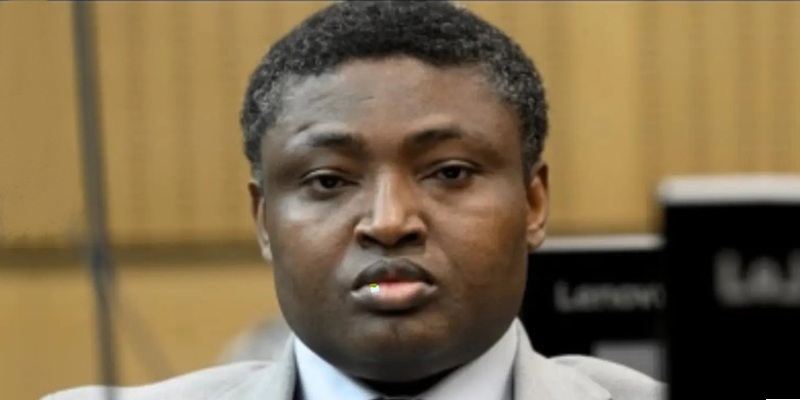
Dr. David Nyekorach-Matsanga, a pro-bono international law expert and investigative journalist based in the United Kingdom, has issued a powerful statement condemning Finland’s judicial handling of the case involving Simon Ekpa.
Ekpa, a self-acclaimed freedom fighter, is a controversial figure whose activism has drawn international attention.
Background
Simon Ekpa was sentenced to six years in prison by a Finnish court on September 1, 2025, following months of legal and diplomatic tension between Finland and Nigeria.
The case has drawn global attention due to allegations of judicial compromise, intelligence manipulation, and economic influence.
Timeline of Key Events: Simon Ekpa Case & Finland–Nigeria Relations
| Date | Event | Details |
|---|---|---|
| Aug 2021 – Nov 2024 | Alleged Activities | Ekpa reportedly promoted Biafra independence through illegal means, including incitement to violence. |
| April 18, 2025 | Finnish Court Approves Extradition | Päijät-Häme District Court in Lahti ruled in favor of extraditing Ekpa to Nigeria. |
| July 15, 2025 | Scheduled Extradition Date | Finnish authorities set this date for Ekpa’s handover to Nigeria. |
| September 1, 2025 | Sentencing in Finland | Ekpa was sentenced to six years in prison for terrorism-related crimes, including incitement and participation in a terrorist organization. |
| Late 2025 | Diplomatic Praise from Nigeria | Nigerian state media and officials publicly praised Finland’s actions, linking them to improved bilateral relations. |
| January 2026 | Dr. Matsanga’s Allegations | Dr. David Nyekorach-Matsanga accused Finland of compromising its judiciary by relying on Nigerian intelligence and trading justice for economic gains. He cited a gas contract awarded to Wärtsilä Energy and medical projects as diplomatic cover. |
Matsanga Steps In
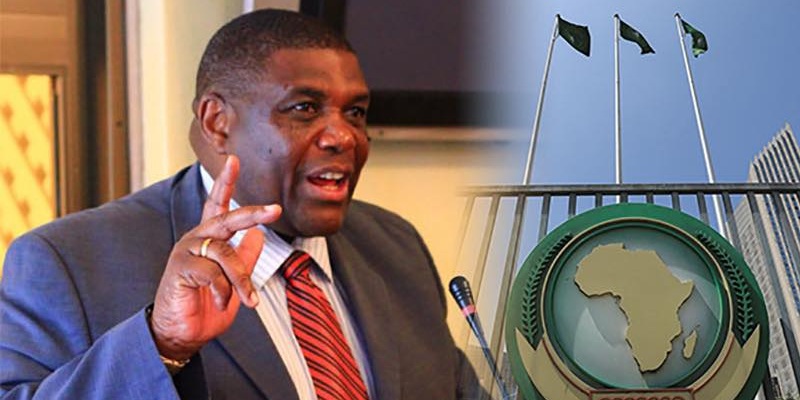
In a declaration shared through Pan African Forum Ltd & Associates, Dr. Matsanga accused Finland of compromising its democratic principles.

This, he said, was by allegedly cooperating with Nigeria’s intelligence services, which he described as “corrupt and terror-compromised.”
“I have done my best to expose what I believe to be cooperation between Finland’s judicial system and a deeply flawed system in Nigeria.
“I draw strength from God, who continues to give me endurance and resolve,” Dr. Matsanga stated.
Allegations of Judicial Misconduct
Dr. Matsanga’s criticism centers on Finland’s reliance on intelligence provided by Nigerian authorities in the prosecution of Simon Ekpa.
He claims that Nigerian intelligence is infiltrated by terrorist elements and weaponized to suppress dissent, making it an unreliable source for judicial proceedings.
According to documents released by Matsanga, Finland’s decision to act on such intelligence undermines its own credibility and judicial neutrality.

He further alleges that Finland’s actions were driven by economic and diplomatic interests.
He pointed to a major gas contract awarded to Finnish firm Wärtsilä Energy shortly after Ekpa’s detention.
Diplomatic Fallout
The controversy intensified following remarks by Finland’s ambassador to Nigeria, Sanna Selin, who reportedly linked Ekpa’s case to bilateral cooperation.
“Simon Ekpa has been hindering bilateral relations,” she said during a public appearance in Abuja.
“The cooperation between our two countries is going very well now.
“And the National Security Adviser has been providing all the evidence.”

Dr. Matsanga argues that such statements confirm that Finland’s judicial decisions were influenced by political and economic priorities rather than legal integrity.
Broader Implications
The case has sparked debate across legal and diplomatic circles.
Critics warn that Western European judicial systems risk losing moral authority if they prioritize strategic interests over human rights.
Matsanga’s campaign, which includes plans to release satellite imagery as evidence, aims to expose what he calls “a shameful chapter in Western legal history.”
He has framed the issue as a test of judicial independence.
He warned that trading justice for oil, gas, and diplomatic favors sets a dangerous precedent.
Dr. Matsanga’s statement adds a new dimension to the ongoing scrutiny of Finland’s role in the Simon Ekpa case.
As tensions rise between African activists and European institutions, his call for accountability and transparency resonates with broader concerns about the politicization of justice in international affairs.
Allegations and Controversies
- Judicial Integrity: Critics argue Finland’s reliance on Nigerian intelligence—described by some as corrupt and infiltrated—undermines its legal credibility.
- Economic Influence: The timing of a major gas contract awarded to Finnish firm Wärtsilä Energy after Ekpa’s detention has raised suspicions of quid pro quo diplomacy.
- Diplomatic Statements: Finland’s ambassador to Nigeria, Sanna Selin, publicly linked Ekpa’s case to bilateral cooperation, deepening concerns about political interference.
- Human Rights Concerns: Activists and legal experts warn that the case reflects a broader trend of Western democracies compromising human rights for strategic interests.
Broader Implications
- For Finland: The case has sparked debate about the neutrality of its judicial system and the influence of foreign intelligence.
- For Nigeria: It marks a diplomatic win, but also exposes the country’s controversial intelligence practices to international scrutiny.
- For Activists: The prosecution of Ekpa is seen by some as a warning to diaspora voices advocating for separatist causes.