
TDThe European Union has officially designated Iran’s Islamic Revolutionary Guard Corps (IRGC) as a terrorist organization.
The designation marks a historic policy shift, escalating tensions with Tehran.
The move places the IRGC alongside groups such as al-Qaeda and ISIS on the EU’s terror list.
Key Details of the EU Decision
- Date of Decision: January 29, 2026.
- Reasoning: The designation was driven by Iran’s violent crackdown on anti-government protests, which resulted in thousands of deaths, and its growing military support for Russia.
- EU Foreign Policy Chief Kaja Kallas: “Repression cannot go unanswered. Any regime that kills thousands of its own people is working toward its own demise.”
- Scope of Designation: The IRGC is now treated legally as a terrorist group within the EU, restricting its financial networks, travel, and operations across Europe.
International Context
The United States, Canada, and Australia had already designated the IRGC as a terrorist organization before the EU’s move.
France, previously hesitant, shifted its position on January 28, paving the way for unanimous EU action.
Alongside the designation, the EU imposed sanctions on 15 Iranian officials and six entities linked to human rights abuses and censorship.

Iran’s Response
Foreign Minister Abbas Araghchi called the EU’s move a “major strategic mistake.”
Tehran threatened “hazardous consequences” for Europe, signaling potential retaliation in diplomatic and economic relations.
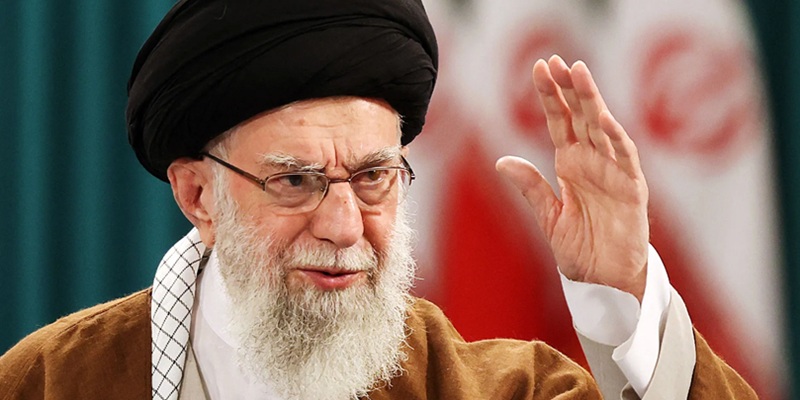
The IRGC, created after the 1979 Islamic Revolution, controls large parts of Iran’s economy and military, making the designation a direct challenge to the regime’s power structure.
Implications
- Diplomatic Strain: The EU insists that diplomatic channels with Iran remain open, but the designation is expected to complicate negotiations on nuclear and trade issues.
- Security Impact: The listing allows European authorities to freeze assets, restrict travel, and prosecute individuals linked to the IRGC.
- Regional Stability: Analysts warn of heightened tensions in the Middle East, especially given Iran’s ties to armed groups and its support for Russia in Ukraine.
In summary, the EU’s decision to blacklist the IRGC is a watershed moment in Europe’s stance toward Iran, signaling a tougher approach to human rights violations and regional destabilization.