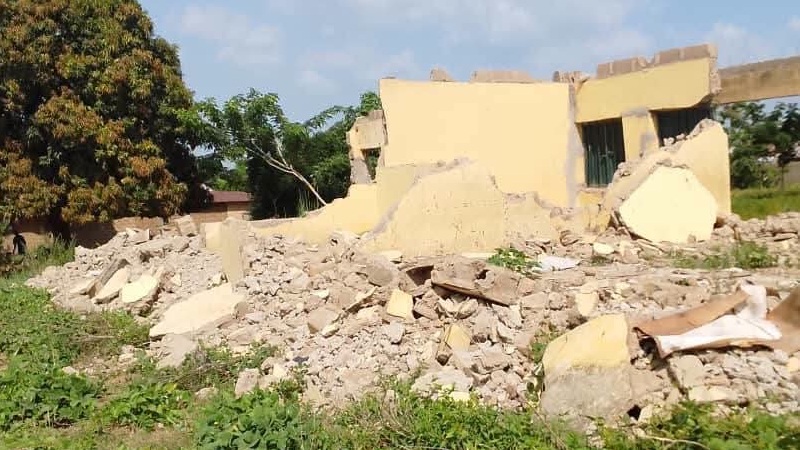

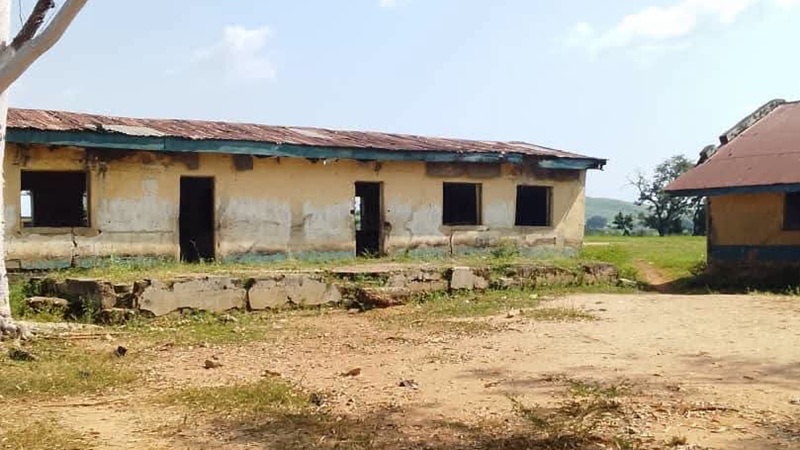
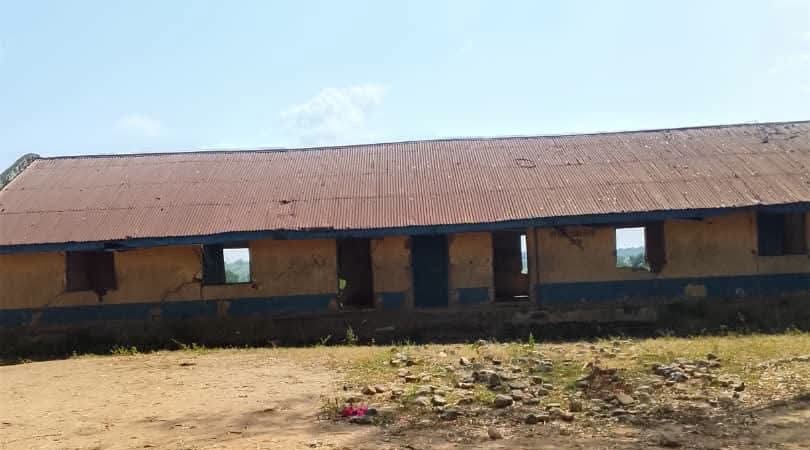
 A post by civic monitoring group MonITNG says part of Gwacipe Primary School collapsed after pupils had studied in deteriorating classrooms.
Photographs shared with the post show damaged roofs, peeling walls and rubble, but this report has not independently verified when they were taken.
The school is listed in INEC’s polling-unit directory under Kwaka Ward, Gurara Local Government Area, confirming the institution’s location.
MonITNG says hundreds of pupils were exposed to unsafe conditions before the collapse and is urging Governor Mohammed Umaru Bago’s administration to act.

The group calls for an explanation, an account of education funds and urgent rebuilding, arguing children should not face danger to attend school.
No response from the Niger State Government or the school’s management was included in the materials reviewed for this report.

Gwacipe Fallout: What the Funding Figures Show
Following the Gwacipe fallout, MonITNG cites ₦161.66 billion in Niger State gross FAAC allocations between January and August 2026.
A report compiling FAAC figures from BudgIT and Agora Policy lists the same amount for Niger, while noting gross allocations precede deductions.
The figure describes public revenue shared with the state; it does not show how much remained available for discretionary spending or education.
The group also cites ₦3.62 billion in unspent Universal Basic Education Commission matching grants held by Niger State.
That amount appears in a report on UBEC’s 2025 annual report, based on monitoring visits conducted on July 21, 2025.
Therefore, the UBEC figure is a 2025 snapshot, not evidence that ₦3.62 billion remained unspent in 2026 or when the school collapsed.

The report says the balance was disbursed but unspent at monitoring, while noting it does not establish why or whether balances later changed.
What the Numbers Do—and Do Not—Establish
UBEC matching grants support approved basic-education projects, but accessing them requires state counterpart funding and approved action plans.
A reported unspent balance raises questions about implementation and oversight, but does not by itself show that money was diverted or available for Gwacipe.
The Punch reported that the UBEC data does not identify which administration received or inherited each tranche, or establish responsibility for delays.
Likewise, gross FAAC allocations cannot establish that state funds were budgeted for this school or could be spent immediately on its reconstruction.
The available figures provide context for scrutiny, but connecting them directly to the collapsed classrooms would require school-level budgets, project records and payment documents.

Those records could clarify whether rehabilitation was proposed, whether contracts were awarded, and what happened to any funds earmarked for the school.
Gwacipe: Questions for Government and Education Authorities
The collapse claim warrants a prompt safety assessment by Niger State’s education authorities and Gurara Local Government, alongside clear information for parents.
Officials should state whether pupils have been relocated, whether the remaining buildings are safe, and what emergency repairs or rebuilding plans exist.
Niger State’s SUBEB and the Ministry of Basic Education could also clarify whether Gwacipe Primary School appears in current or previous project plans.
A reconciliation of UBEC balances, releases, counterpart contributions and completed projects would help determine whether funds remain unspent today.
The state government should publish inspection findings and timelines for repairs, while explaining how pupils can continue learning safely.
Until officials provide those records and confirm the school’s condition, MonITNG’s account remains a serious allegation supported by shared images, not a completed independent inspection.