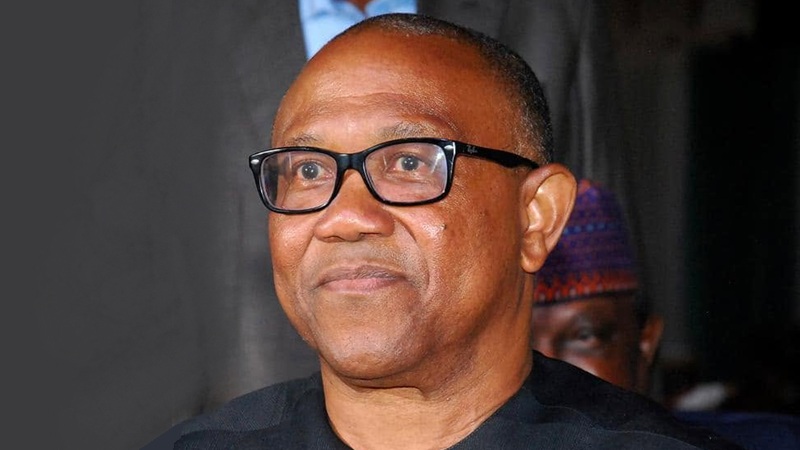

 Former Anambra State governor Peter Obi has outlined projects he says strengthened government institutions during his administration from 2006 to 2014.
In the second instalment of his “Nigerians, Go and Verify” series, Obi presents institutional rebuilding as a foundation for broader development.
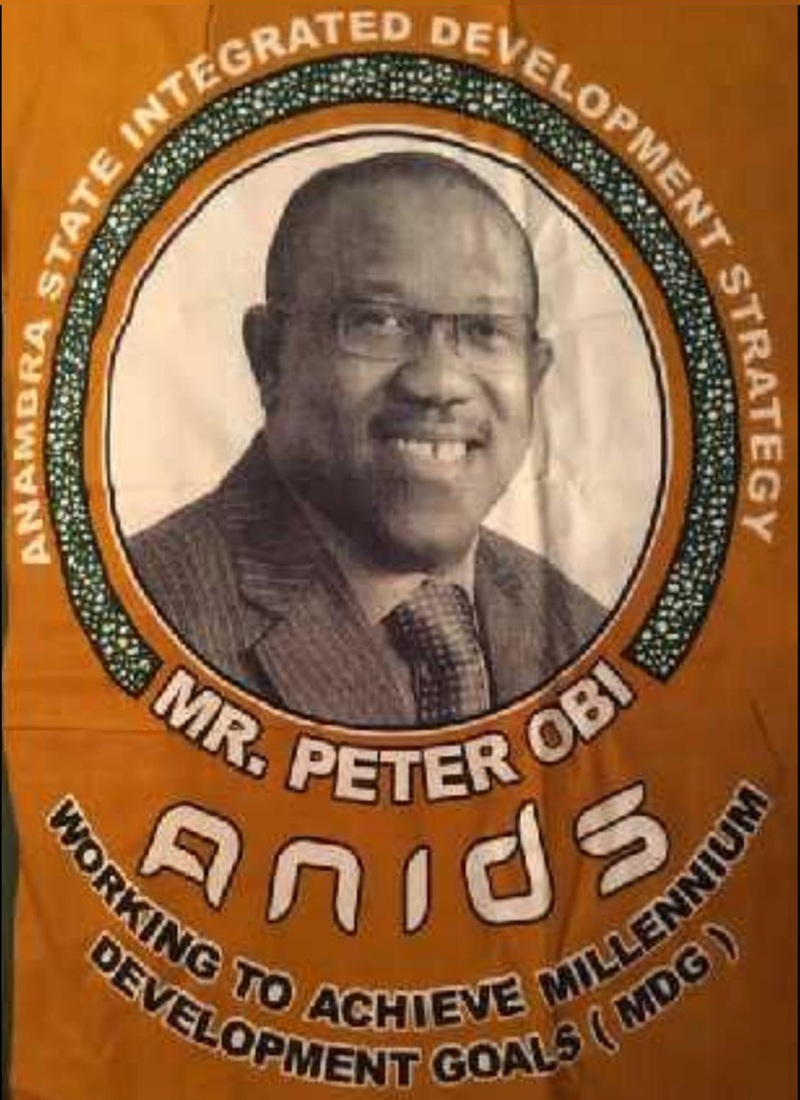
He said the Anambra Integrated Development Strategy, known as ANIDS, was designed to coordinate development priorities across sectors.
According to Obi, plans for education, healthcare, infrastructure and security could not succeed without functioning government institutions.
He described the state’s physical and administrative structures as being in poor condition when he assumed office.

His administration’s response, he said, was to rebuild infrastructure across the executive, legislature, judiciary, civil service and local governments.
Obi framed the projects as efforts to restore government operations and improve public administration, not simply erect new buildings.
The series is intended to present his account of the administration’s work for public scrutiny.
Restoring the Executive’s Facilities
Obi said Government House in Awka had been vandalised and burned in 2004, before his administration took office.
He said his government rebuilt, re-equipped and furnished the complex to restore its function as the state’s executive headquarters.
The statement describes the work as part of a broader effort to restore the seat of government.

Obi also cited rehabilitation of the Governor’s Lodge in Amawbia and construction of a new lodge in Onitsha.
He said the facilities were intended to support government activity in Anambra’s administrative and commercial centres.
The statement does not provide project costs, contract details or completion dates for the three executive facilities.
Obi’s account presents the investments as institutional infrastructure, while inviting readers to verify the projects and their outcomes.
Legislature and Judiciary
The former governor said his administration rehabilitated the Anambra State House of Assembly complex in Awka.
He described the renovation as an effort to provide lawmakers with a more suitable environment for carrying out constitutional responsibilities.

Obi also said legislators received vehicles to facilitate their official duties across the state.
For the judiciary, he said High Court judges received new vehicles during his tenure.
He described the provision as the first of its kind in Anambra State, a claim that would require historical records to verify independently.
He also said magistrates received vehicles for the first time since the state’s creation.
Obi argued that improved mobility could help judicial officers perform their duties, though his statement offers no measures of impact.
Chief Jerome Udoji State Secretariat
Obi said ministries, departments and agencies previously operated from dispersed rented apartments, which he said undermined coordination.
His administration constructed the two-phase Chief Jerome Udoji State Secretariat Complex, comprising Blocks One and Two.
He said the complex brought agencies together and provided civil servants with a more suitable working environment.
The project was named after Chief Jerome Udoji, whom Obi identified as the Eastern Region’s first indigenous chief secretary.
Obi said the naming recognised Udoji’s contribution to public administration and the civil service tradition.
He also said permanent secretaries and directors received vehicles to support their administrative responsibilities.
The statement does not specify how many agencies moved into the complex or provide a cost breakdown for the project.
Obi further cited efforts to facilitate a Federal Secretariat Complex in Awka, describing it as support for state-federal collaboration.
Local Government Infrastructure
Obi said his administration aimed to strengthen local government facilities because councils are the tier closest to residents.
He described a programme involving new secretariat complexes, equipment for existing facilities and renovation of buildings needing rehabilitation.
Among the new complexes he named were facilities in Onitsha North, Onitsha South and Dunukofia.
He also cited renovation of the Awka South headquarters and construction of new facilities in Anaocha, headquartered in Neni.
Beyond secretariats, Obi listed finance and administrative blocks, traditional rulers’ council buildings, tax offices and works departments.
He said some local government sites also received education and health blocks, sports clubs and amusement parks.
The statement does not provide a complete project inventory, budgets or completion records for each local government area.
Obi said the objective was to restore council operations and make government services more accessible to local communities.
Cost of Governance and Public Resources
Obi said rebuilding institutions also required changes in public spending and management practices.
He described reducing the cost of governance as a defining principle of his administration.
According to the statement, his government sought to cut waste, discourage ostentatious spending and redirect resources toward infrastructure and human development.
He argued that prudent management should ensure public funds deliver value, rather than merely accumulate savings.
Obi characterised public office as a responsibility and said government resources should be managed for the common good.
The statement does not include spending comparisons, savings totals or budget documents to quantify the reductions it describes.
Those records would help readers assess how the administration measured governance costs and tracked resources redirected to public services.
Obi presents financial discipline as a principle that connected the institutional projects to his wider development strategy.
National Message and Next Instalment
Obi said Anambra’s experience showed that institutions, clear priorities and financial discipline could produce results despite limited resources.
He argued that Nigeria’s development challenges include weak institutions, ineffective resource management and wasteful spending.
The former governor said his approach to national leadership would draw on principles he says guided his Anambra administration.
He promised a country where institutions work, public resources serve citizens and government delivers measurable improvements.
These statements outline Obi’s political argument; they do not independently establish the outcomes or comparative performance of his administration.
His “Go and Verify” series asks Nigerians to scrutinise the claims and projects presented in each instalment.
The next entry, he said, will focus on education-sector projects, investments and outcomes during his governorship.
That instalment may provide further detail for evaluating the record, including project locations, spending figures and measurable results.
Read also: