


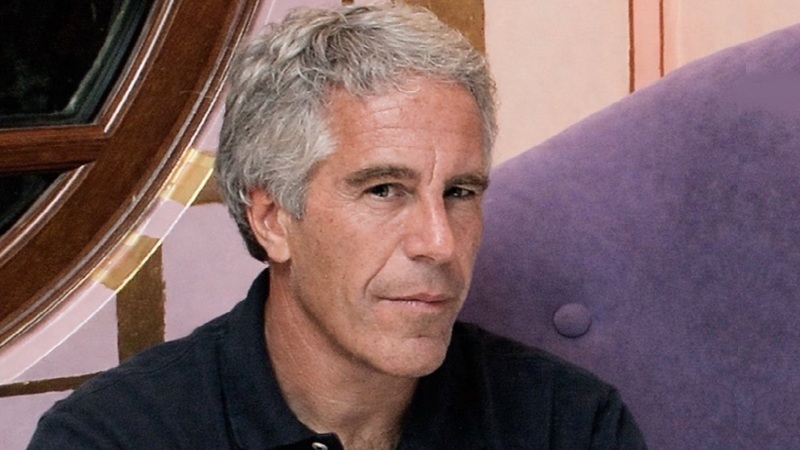

 Forensic medicine professor Michael Freeman says injuries on Jeffrey Epstein were more consistent with homicide than suicide, based on his review of autopsy records.
Freeman examined photographs and files provided by Epstein’s brother, Mark, and presented his analysis in London on Monday.
He told CBS News and BBC Newsnight that Epstein was likely strangled, possibly from behind, rather than dying by hanging.
Freeman did not examine Epstein’s body or the prison cell, and his conclusion remains a disputed interpretation of available records.
The New York City medical examiner’s office said it stands by its 2019 determination that Epstein died by suicide.
Freeman’s findings have renewed scrutiny of a case that attracted intense public interest after Epstein’s death in federal custody.

What Freeman Says the Evidence Shows
Freeman said the neck injuries visible in autopsy photographs did not match the expected pattern of suicidal hanging.
He pointed to a deep, irregular ligature mark, including a second lower mark, which he believes another person could have caused.
His analysis also identified injuries to Epstein’s shoulder and back that he says are not explained by hanging.
Freeman proposed that a narrow, knotted fabric ligature may have been pulled from behind Epstein, causing the injuries.
He argued that the marks and other trauma were consistent with a struggle, though the medical examiner reported no defensive injuries.
Freeman worked with forensic medicine professor Anders Eriksson and researcher Itiel Dror on the review.

The analysis has not been peer-reviewed; Freeman told CBS that a journal rejected an earlier submission, and he plans to resubmit it.
Official Investigations Found Suicide
The New York City Office of Chief Medical Examiner ruled that Epstein died by hanging and classified the manner of death as suicide.
The Department of Justice inspector general’s 2023 report said the autopsy findings supported that determination, including the fracture pattern and lack of defensive wounds.
The inspector general and FBI found no evidence of criminality in how Epstein died, while documenting serious failures by prison staff.
Those failures included guards falsifying records, Epstein being left without a cellmate, and recording-system problems that limited available surveillance footage.
In a 2025 memo, the Justice Department and FBI reaffirmed the suicide finding and said reviewed footage showed nobody entering Epstein’s housing tier overnight.

The medical examiner’s office continues to stand by its conclusion, and no authority has announced a homicide determination.
Jeffrey Epstein: Evidence Remains Contested
Freeman’s claims conflict with the official findings, but other forensic specialists caution that injuries alone may not settle the manner of death.
The New York Times reported that experts it consulted differed over whether the available medical evidence could conclusively distinguish suicide from homicide.
Freeman’s review relies on records and images supplied by Epstein’s brother, who has long disputed the official conclusion.
The medical examiner was not permitted to inspect the cell, and the body was moved before investigators could photograph the scene fully, CBS reported.
These investigative shortcomings have complicated efforts to reconstruct the final hours, but do not by themselves prove that Epstein was murdered.
Freeman has said he does not know who could have killed Epstein, and his analysis identifies no suspect or perpetrator.
For now, the homicide claim remains Freeman’s contested opinion, while the official determination remains suicide.