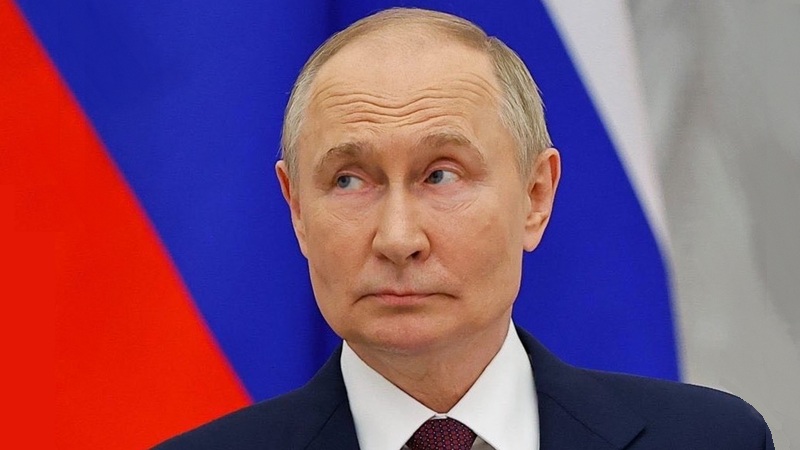

 MOSCOW, Russia — Russian President Vladimir Putin has yet to decide whether to accept US President Donald Trump’s invitation to attend the G20 summit scheduled for December in Miami, Florida.
His hesitation raises questions about whether the Russian leader is weighing the political and legal implications of travelling to the United States.
Currently, the Kremlin has not cited fear of arrest as a reason for Putin’s indecision.
However, his reluctance to commit to the visit invites scrutiny, particularly given the International Criminal Court (ICC) arrest warrant issued against him in 2023 over alleged war crimes in Ukraine.
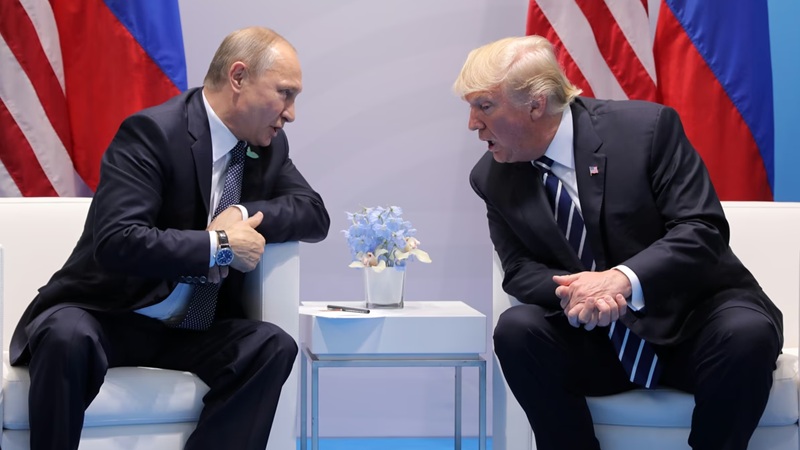
The Kremlin’s position is that the invitation is being considered through diplomatic channels.
However, with the summit approaching, the unresolved question is whether Putin will appear in person, participate remotely or stay away altogether.

The uncertainty has created an opening for a broader debate about the risks political leaders face when international legal controversies follow them beyond their home countries.
Putin Yet to Commit to Miami Visit
The United States had invited Putin to the December G20 summit in Miami.
The US Secretary of State Marco Rubio announced the invitation on September 23, 2026.
According to Reuters, Kremlin spokesman Dmitry Peskov said Russia appreciated the invitation but would make a decision after consultations through diplomatic channels.
On September 24, Peskov reiterated that no decision had been made and that it was premature to discuss the agenda for a possible meeting between Putin and Trump.
As of October 22, the Associated Press reported that Putin had still not decided whether to attend the summit in person.

The Kremlin has not publicly identified fear of arrest as a factor in the deliberations.
Nevertheless, the prospect of Putin entering the United States presents a politically sensitive question.
The question is owing to the outstanding ICC warrant and the international controversy surrounding Russia’s war in Ukraine.
The ICC Warrant: A Shadow Over Putin’s International Travel
In March 2023, the International Criminal Court issued an arrest warrant for Putin.
The warrant is related to alleged war crimes involving the unlawful deportation and transfer of Ukrainian children from occupied areas of Ukraine to Russia.
It has complicated Putin’s international travel because countries that are parties to the Rome Statute generally have obligations to cooperate with the court.

The cooperation is subject to the applicable legal framework and jurisdictional questions.
The United States, however, is not a party to the Rome Statute.
Consequently, the existence of the ICC warrant does not automatically mean that American authorities are legally required to arrest Putin if he enters the country.
The Miami summit is taking place on American soil.
The legal and diplomatic circumstances there differ from those in countries that are parties to the ICC.
The warrant nevertheless remains a source of international controversy and could shape diplomatic calculations surrounding Putin’s participation.
There is, however, no verified evidence establishing that Putin is delaying his decision specifically because he fears arrest in Miami.
Could Putin Be Weighing the Risks of a High-Profile Visit?
Putin’s decision involves more than the question of whether he can physically travel to the United States.
An in-person appearance would provide an opportunity for direct engagement with Trump and other world leaders.
It could also generate intense international attention over the war in Ukraine, the ICC warrant and the political implications of hosting a Russian president accused of war crimes.
A refusal to attend, on the other hand, could be interpreted by critics as a reluctance to face the diplomatic consequences of Russia’s international isolation.
Neither interpretation, however, establishes Putin’s private motivation.
The Russian government has maintained that it is considering the invitation and will make an appropriate decision through diplomatic channels.
Until the Kremlin announces its decision, claims that Putin is avoiding Miami out of fear of arrest remain speculation.
The uncertainty itself, however, has made his potential attendance a subject of international interest.
Tinubu’s UNGA Absence Offers a Nigerian Comparison
The uncertainty surrounding Putin’s potential visit to Miami recalls the controversy over Nigerian President Bola Ahmed Tinubu’s absence from the 81st United Nations General Assembly in New York in September 2026.
In its report, Tinubu Backs Down, Stays Away from UN General Assembly, This Dawn News examined the political controversy surrounding the Nigerian president’s decision not to attend the gathering personally.
Tinubu’s absence attracted renewed debate over historical US legal records relating to him.
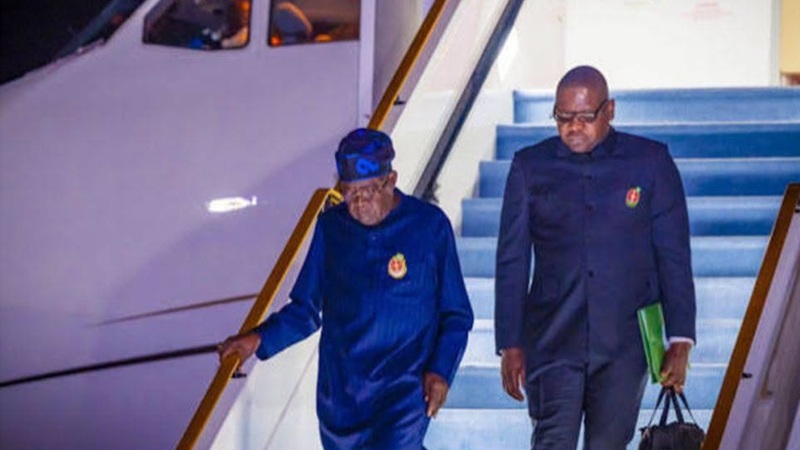
Also, allegations were advanced by political opponents that he was avoiding the United States because of possible embarrassment or arrest.
Kenneth Okonkwo, a spokesperson for the Atiku Abubakar Presidential Campaign Organisation, alleged that Tinubu was avoiding the United States for fear of arrest.
The Presidency, however, rejected that interpretation and said the president was on annual leave, with Vice President Kashim Shettima leading Nigeria’s delegation.
Nigeria’s Permanent Representative to the United Nations, Ambassador Jimoh Ibrahim, also weighed in.
Ibrahim stated that Tinubu enjoyed freedom of transit under the applicable arrangements governing representatives attending official UN activities.
The allegation of fear of arrest was made by political opponents, while the government offered a different narrative for Tinubu’s absence.
Tinubu’s absence from the UNGA and Putin’s unresolved decision about the Miami summit provide a basis for political comparison.
However, they are not evidence of identical circumstances or motives.
Two Leaders, Different Legal Circumstances
The comparison between the two presidents is politically compelling, but the legal situations differ substantially.
Putin is the subject of an outstanding ICC arrest warrant over alleged war crimes in Ukraine.
Tinubu’s controversy centres on historical US records, a civil-forfeiture proceeding and allegations made by political opponents, which must not be confused with a criminal conviction.
Putin’s possible attendance at a G20 summit hosted by the United States raises questions about international criminal accountability.
It also raises questions about the diplomatic implications of the ICC warrant.
Tinubu’s absence from the UNGA generated a separate debate about political optics, historical allegations and his decision to delegate representation.
In both cases, observers may speculate about whether the political consequences of travelling abroad influence a leader’s decision.
But speculation is not proof of motive.
Miami Will Test Putin’s Diplomatic Calculations
Trump’s invitation gives Putin an opportunity to engage directly with the US president at a time when efforts to end the war in Ukraine remain a central international concern.
An appearance in Miami could provide a platform for negotiations and signal a willingness to engage with Western leaders.
Staying away could also be explained by diplomatic, security or strategic considerations unrelated to fear of arrest.
For now, the Kremlin has not ruled out attendance, nor has it confirmed that Putin will travel to Florida.
The key question is whether Putin ultimately accepts the invitation and, if he declines, what explanation Moscow offers.
Until then, the idea that Putin is afraid to travel to Miami remains a provocative political question—not an established fact.
This Dawn News will continue to monitor developments surrounding the G20 summit and the Kremlin’s decision.