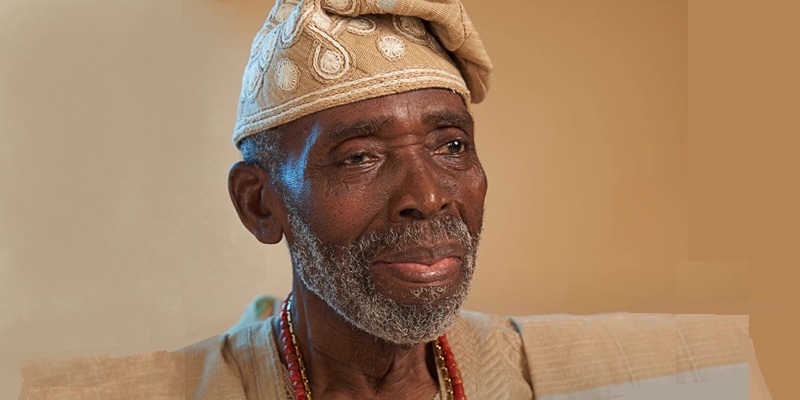
TD Lagos, Nigeria — Nigeria’s cultural and entertainment community is in mourning following the death of legendary Nollywood actor Olu Jacobs, who passed away at the age of 84.

Tributes have poured in from political leaders, fellow actors, and industry figures, underscoring the profound impact Jacobs had on Nigerian cinema and national identity.
Atiku Abubakar’s Tribute
Former Vice President Atiku Abubakar, now the 2027 ADC presidential candidate, described Jacobs as a “cultural institution and foundational figure in Nigerian cinema.”
In a heartfelt post accompanied by a formal portrait of the actor, Atiku praised Jacobs’ dignified roles, distinctive voice, and decades‑long contributions to storytelling.
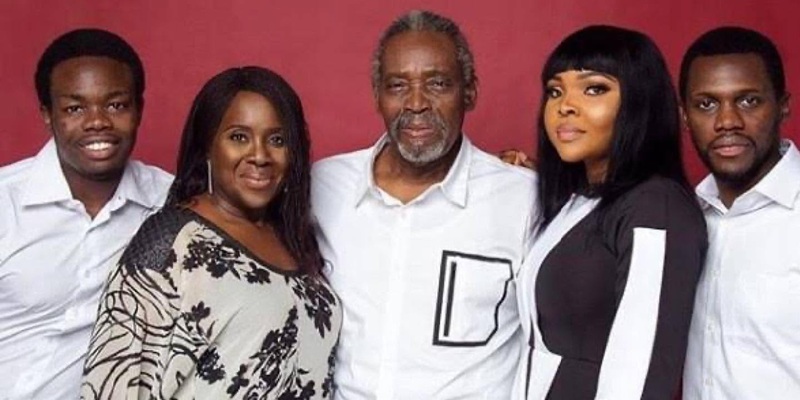
He noted that Jacobs inspired younger talents long before Nollywood’s global rise, and extended condolences to Jacobs’ wife, actress Joke Silva, their children, and the entire family.
The tribute quickly drew thousands of likes and shares, reflecting the widespread national recognition of Jacobs’ legacy.
President Tinubu’s Condolences
The Nigerian Statehouse also issued an official press release signed by Bayo Onanuga, Special Adviser to President Bola Tinubu on Information and Strategy.
President Tinubu described Jacobs as a “giant of the Nigerian creative industry” whose contributions boosted cultural identity and economic development.
The statement highlighted Jacobs’ career trajectory, from training at London’s Royal Academy of Dramatic Arts to his work in British and international films, before returning to Nigeria to help professionalize Nollywood.
Tinubu recalled Jacobs’ receipt of the Member of the Order of the Federal Republic (MFR) national honor, underscoring his role in elevating Nigeria’s cultural profile.
The president extended sympathies to Joke Silva, the Jacobs family, and the broader entertainment community.
Emotional Reactions from Nollywood
The loss has deeply affected Jacobs’ peers.
A widely circulated video showed actor Emeka Ike crying and wiping tears outside a building, paired with a smiling portrait of Jacobs.
The video captured the personal grief of colleagues who regarded Jacobs as a father figure in Nollywood.
Jacobs, affectionately known as the “Lion of Lufodo,” was born in 1942 and built a career spanning theatre, television, and over 100 Nollywood films.
His family confirmed his passing and requested privacy, noting his decades‑long battle with dementia with Lewy bodies in his later years.
Funke Akindele’s Tribute
Leading actress and filmmaker Funke Akindele posted a black‑and‑white portrait of Jacobs smiling with arms crossed, praising his kindness and support for emerging talents.
She described him as a mentor who encouraged younger actors and filmmakers, and offered condolences to Joke Silva, their children, and the Nollywood family.
Minister of Culture’s Statement
Nigeria’s Minister of Art, Culture, Tourism and the Creative Economy, Hannatu Musa Musawa, honored Jacobs as a foundational figure in Nigerian theatre and Nollywood.
Her tribute emphasized his legacy of storytelling and industry‑building, noting his commanding roles and national honors.
Musawa’s message, paired with a portrait of Jacobs, highlighted his influence in shaping Nigeria’s creative economy and inspiring generations of performers.
Ben Murray‑Bruce’s Tribute
Former senator and media entrepreneur Ben Murray‑Bruce also joined in mourning.
Murray‑Bruce praised Jacobs for his commanding screen presence and contributions to building the Nigerian film industry.
He described Jacobs as a pioneer who inspired future generations with dignified performances and helped cement Nollywood’s place in global cinema.
A Nation in Mourning
Olu Jacobs’ passing has united Nigerians in grief and gratitude.
From political leaders to fellow actors, the tributes reflect his unique role as both an artist and cultural ambassador.
His career, marked by excellence and dignity, helped lay the foundation for Nollywood’s global success.
Though the curtain has fallen on his extraordinary life, Jacobs’ legacy will continue to inspire, reminding Nigerians of the power of storytelling and the enduring spirit of their creative industry.
Nigeria has lost a legend, but gained an eternal symbol of its cultural pride.