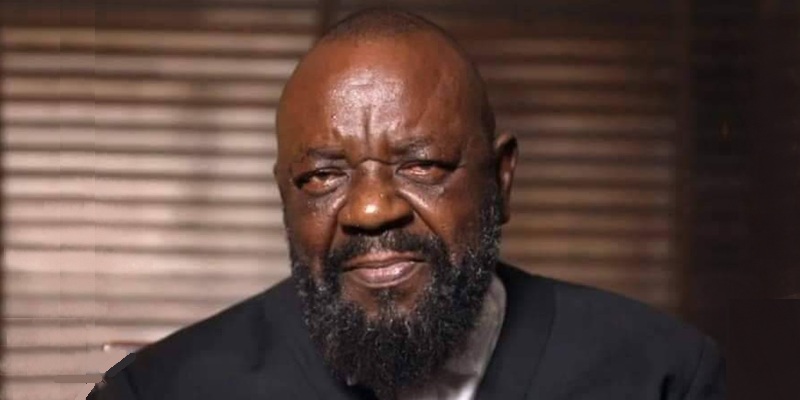
TDAloy Ejimakor, lead counsel to IPOB leader Nnamdi Kanu, has raised concerns over what he described as disproportionate military deployment in Nigeria’s Southeast region.

In a statement shared on his official X account, Ejimakor lamented that thousands of soldiers stationed in the Southeast have never faced the type of “horrendous situation” currently unfolding elsewhere in the country.
He described the development as “so sad,” suggesting that the region is being subjected to excessive militarization without justification.
Ejimakor’s remarks come amid ongoing debates about security operations in the Southeast, where military presence has been intensified in response to separatist activities and unrest.
His comments highlight growing concerns about fairness, regional balance, and the broader implications of military strategy on national unity.
The lawyer has consistently linked the detention of Nnamdi Kanu and the treatment of Igbo youths to wider political consequences.
He warned that unresolved grievances could shape electoral outcomes in 2027.
Ejimakor cautioned that continued detention of Kanu could ruin the 2027 election chances of President Tinubu and South-East politicians.
He separately urged Tinubu to order the unconditional release of thousands of Igbo youths allegedly held without trial.
Key Statements from Aloy Ejimakor
1. Warning on 2027 Elections
- Ejimakor stated that if Nnamdi Kanu is not freed soon, it will jeopardize the political ambitions of South-East politicians in 2027.
- He added that the same fate awaits Tinubu, as the South-East electorate “will remember” during the polls.
- His remarks directly link Kanu’s freedom to electoral outcomes, highlighting the political weight of the IPOB leader’s continued imprisonment.
2. Call for Release of Igbo Youths
Ejimakor also appealed to President Tinubu to order the unconditional release of thousands of Igbo youths detained across Nigeria without trial, allegedly on suspicion of IPOB membership.
He argued that prolonged detention without due process undermines justice and the rule of law.
He insisted that suspects should either be charged to court or released.
The human rights advocate stressed that arbitrary arrests fuel resentment and insecurity in the South-East.

Background on Nnamdi Kanu’s Case
- Nnamdi Kanu was controversially re-arrested in Kenya in 2021 and renditioned to Nigeria.
- In November 2025, Justice James Omotosho sentenced him to life imprisonment on terrorism-related charges.
- Despite conviction, agitation for his release persists, with supporters describing him as a political prisoner.
- Ejimakor has filed appeals challenging the conviction, with the case now before the Court of Appeal.
Political Implications
- The South-East remains a politically sensitive region, with strong support for Kanu among sections of the population.
- Ejimakor’s warnings suggest that failure to release Kanu could erode Tinubu’s support base in the region and complicate the ambitions of South-East politicians in 2027.
- His call for mass release of detained youths underscores broader concerns about human rights, security operations, and ethnic tensions.
- He warned that the political ambitions of South-East leaders could be jeopardized, and President Tinubu himself may face electoral backlash.
Ejimakor’s remarks underscore the growing tension surrounding Kanu’s imprisonment.
Kanu, who was renditioned from Kenya in 2021, was convicted in November 2025 on terrorism-related charges and sentenced to life imprisonment.
His legal team has filed appeals challenging the conviction, with the matter now before the Court of Appeal.
The lawyer has consistently argued that Kanu’s detention is unjust and politically motivated.
He framed it as a test of Nigeria’s commitment to justice and fairness.
He has also linked the issue to broader grievances in the South-East, where military operations and mass arrests have fueled resentment.
With the 2027 elections approaching, Ejimakor’s warning highlights the potential political cost of ignoring calls for Kanu’s release, as the case continues to resonate deeply among the region’s electorate.
Ejimakor’s dual interventions — linking Kanu’s detention to 2027 electoral prospects and demanding the release of Igbo youths — highlight the intersection of law, politics, and human rights in Nigeria’s South-East.
With appeals ongoing and political stakes rising, the government faces mounting pressure to address grievances tied to IPOB and its supporters.