



TDChina has issued a sharp warning to the United States, declaring that its vessels operating in the Strait of Hormuz under energy agreements with Iran must not be intercepted.
The statement, delivered by the Chinese Defense Ministry, underscores rising tensions in one of the world’s most strategic waterways.
“Chinese ships continue to move in and out of the waters of the Strait of Hormuz.
“We have trade and energy agreements with Iran, which we will respect and abide by.
“We expect others not to interfere in our affairs.
“Iran controls the Strait of Hormuz, and has opened it to us,” the ministry said.

Background: The Strait of Hormuz
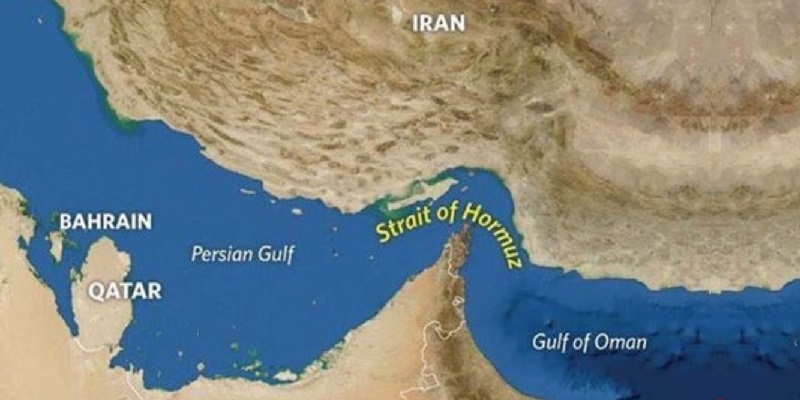
The Strait of Hormuz is a narrow passage linking the Persian Gulf with the Gulf of Oman and the Arabian Sea.
It is one of the most critical chokepoints for global energy, with nearly 20% of the world’s oil supply passing through daily.
Iran has long asserted influence over the strait, and its cooperation with China reflects deepening ties between the two nations.
Beijing has signed long-term energy and trade agreements with Tehran, positioning itself as a key partner in Iran’s efforts to bypass Western sanctions.
Why China’s Warning Matters
-
Energy Security:
China is the world’s largest importer of crude oil. Ensuring uninterrupted shipments from Iran is vital to its economy.
-
Geopolitical Tensions:
The U.S. Navy maintains a strong presence in the Gulf, often intercepting or monitoring vessels suspected of violating sanctions.

China’s warning suggests it will not tolerate interference with its shipping.
-
Iran’s Leverage:
By granting China access to the Strait of Hormuz, Iran strengthens its strategic position against Western powers.
U.S. Position
Washington has not yet formally responded to China’s latest statement.
However, U.S. officials have consistently emphasized the need to enforce sanctions against Iran, particularly regarding oil exports.
The Pentagon has also reiterated its commitment to ensuring freedom of navigation in international waters.
Analysts warn that if U.S. forces attempt to intercept Chinese vessels, the confrontation could escalate into a major diplomatic crisis.

The ripple effects would evidently affect global energy markets.
Global Reactions
- Middle East Allies: Gulf states are watching closely, wary of being caught between U.S. security guarantees and China’s expanding influence.
- Energy Markets: Oil prices spiked slightly following China’s warning, reflecting investor concerns about potential disruptions in the Strait of Hormuz.
- International Observers: The European Union has urged restraint, calling for dialogue to avoid escalation in one of the world’s most sensitive maritime zones.
China’s stance signals its growing willingness to challenge U.S. dominance in global security affairs.
By openly defending its shipping rights in the Strait of Hormuz, Beijing is asserting itself not just as an economic power but as a military and diplomatic force prepared to protect its interests abroad.
Strategic Implications
For Iran, the partnership with China provides a powerful shield against isolation.
By aligning with a global superpower, Tehran gains leverage in its ongoing standoff with Washington.
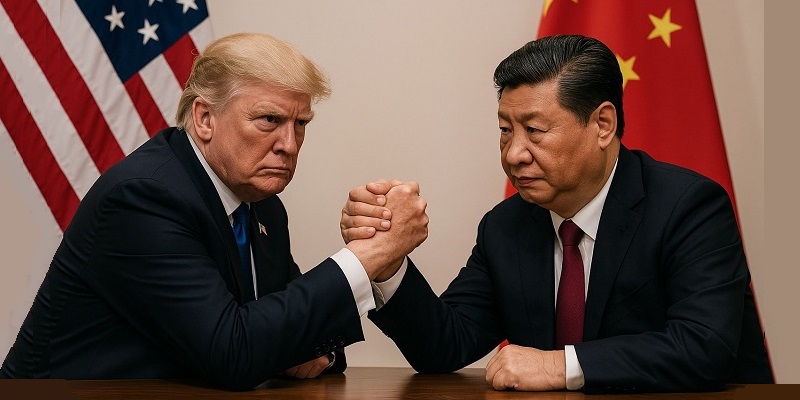
The warning from Beijing marks a significant escalation in U.S.-China-Iran relations.
With Chinese vessels continuing to transit the Strait of Hormuz under Iranian protection, the risk of confrontation looms large.
As the world’s energy lifeline, the strait remains a flashpoint where global powers test each other’s resolve.
Whether Washington chooses to challenge China’s assertion or seek diplomatic solutions will determine the stability of both regional security and global energy markets in the months ahead.