



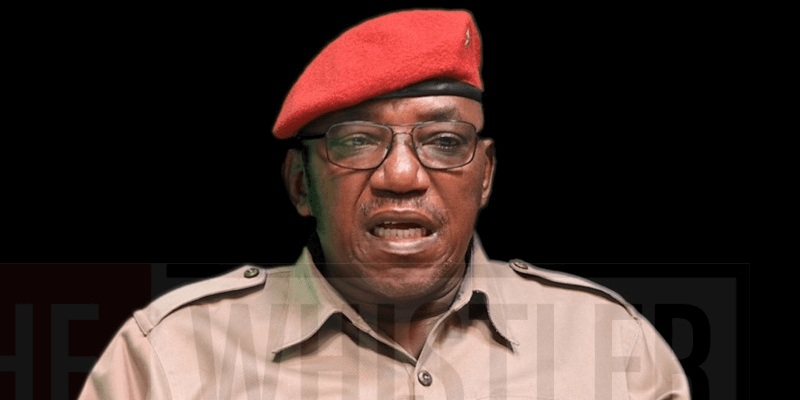

TD Abuja, FCT — Former Nigerian Sports Minister Solomon Dalung has launched a scathing attack on President Bola Ahmed Tinubu.
Dalung accused him of bypassing due process and eroding the rule of law by allegedly awarding a ₦17 trillion contract to billionaire businessman Gilbert Chagoury from his personal residence.
In a viral interview clip, Dalung claimed that Tinubu had “crossed every existing red line”.
He argued that governance under the current administration has undermined civil liberties and democratic norms.
“In the comfort of his bedroom, he awarded a ₦17 trillion contract to his friend Chagoury, with his son as a director in that company,” Dalung cried.
He added that the move exemplifies cronyism and disregard for constitutional procedures.

Background on Chagoury and Hitech Construction
Gilbert Chagoury, a Lebanese-Nigerian billionaire, is the founder of Hitech Construction, which has secured several mega-infrastructure projects under Tinubu’s administration.
These include the $13 billion Lagos-Calabar coastal highway and the Sokoto-Badagry highway project, reported at around ₦1.7 trillion.
Chagoury’s business empire has long been controversial.
He was previously linked to money-laundering cases involving funds from the late military ruler Sani Abacha.
Allegations of close ties between Chagoury and Tinubu’s family, including reported business links with Tinubu’s son Seyi Tinubu, have fueled public suspicion about favoritism in contract awards.
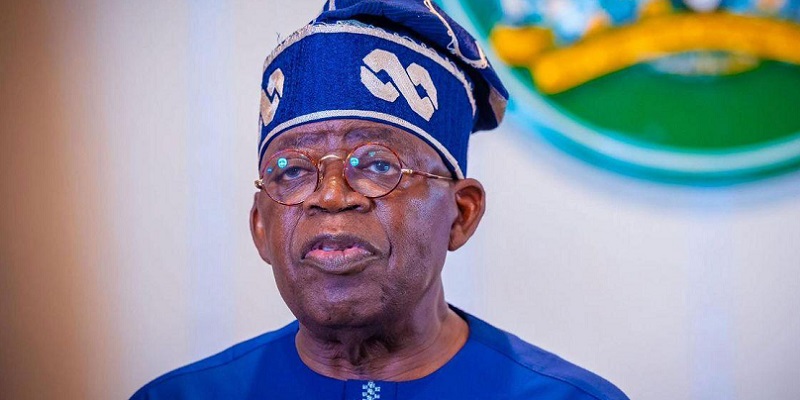
Dalung’s Criticism
Dalung’s remarks went beyond the contract allegations, painting a broader picture of governance failures:

- He accused Tinubu of stripping Nigerians of civil liberties and locking down dissent.
- He criticized the government’s decision to change Nigeria’s national anthem, calling it a heritage issue decided without public consultation.
- He condemned ambassadorial appointments, claiming that “discredited elements” were sent abroad to represent Nigeria.
Dalung argued that Tinubu’s administration has left only one “red line” unbroken — the electoral process — warning that Nigerians have the power to remove a “tyrant” if democracy is undermined further.
Public Discourse
The allegations resonate with ongoing debates in Nigeria about transparency, governance, and cronyism in public contracting.
Critics have repeatedly questioned the opacity of mega-project awards, particularly those involving Hitech Construction.
Civil society groups and opposition figures have called for greater scrutiny of contract processes.
They insist that projects of such magnitude must go through competitive bidding and legislative oversight.
Supporters of the government, however, argue that Tinubu’s infrastructure drive is necessary to modernize Nigeria’s economy and attract investment.

They dismiss claims of favoritism as politically motivated.
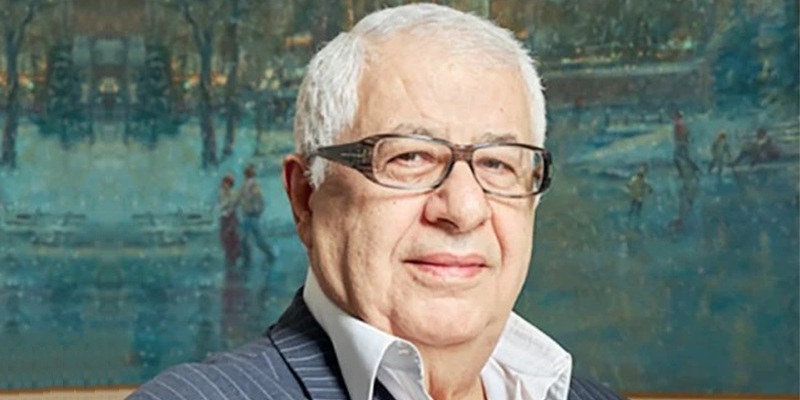
Broader Implications
Dalung’s intervention adds to mounting pressure on the Tinubu administration to demonstrate accountability in public spending.
With Nigeria facing a ₦31.45 trillion deficit in its ₦68.3 trillion 2026 budget, questions about how contracts are awarded — and to whom — have become central to public debate.
Analysts warn that perceptions of cronyism could erode investor confidence and deepen public mistrust, particularly if allegations of family-linked business interests are not addressed transparently.
Heightened Tensions
Solomon Dalung’s explosive claims highlight the tension between Nigeria’s urgent need for infrastructure development and the demand for transparency in governance.
Whether the alleged ₦17 trillion contract reflects a misstatement of figures or a reference to ongoing mega-projects, the controversy underscores the importance of due process and accountability in public contracting.
As Nigeria prepares for the 2027 elections, such allegations are likely to fuel political discourse and sharpen scrutiny of Tinubu’s administration.