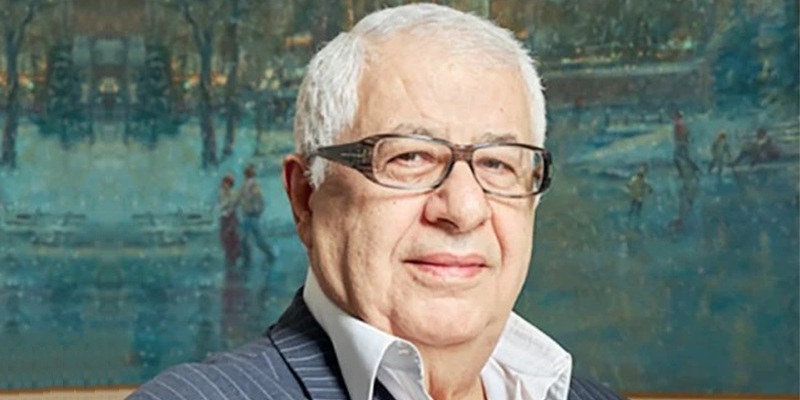

A powerful open letter addressed to leading British media outlets has raised serious questions about the presence of Nigerian-Lebanese billionaire Gilbert Chagoury at a state banquet hosted by King Charles III.
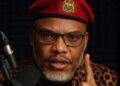
The letter was authored by Kio Amachree, President of Worldview International in Stockholm.
Amachree accused both Buckingham Palace and Downing Street of elevating a man with a controversial record to the highest levels of British diplomatic hospitality.
He also questioned the motive behind committing taxpayer-backed funds to projects in which Chagoury’s business empire has structural interests.
Background of the Allegations
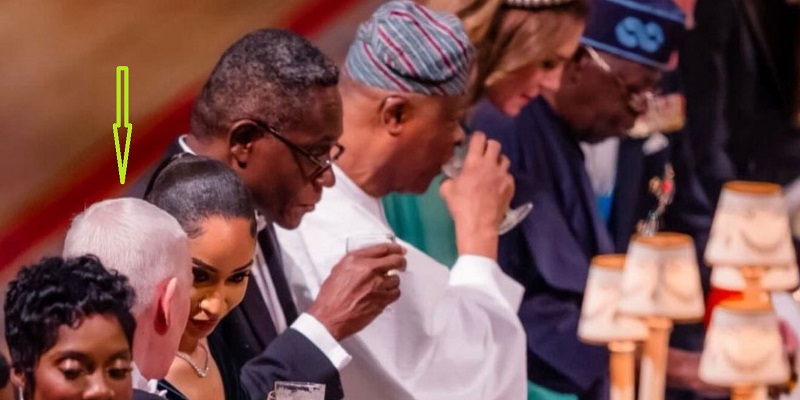
The banquet was held in honour of Nigerian President Bola Ahmed Tinubu on March 18, 2026.
It was followed by the subsequent approval of a £746 million UK Export Finance (UKEF) facility the following day.
Amachree’s letter, titled “Your King Dined Him. Your Prime Minister Signed for Him. Now Nobody Wants to Answer for It,” outlines Chagoury’s history:
-
Swiss Conviction (2000)
Chagoury was convicted of money laundering and aiding a criminal organisation.
He was linked to the transfer of over $120 million from Nigeria’s Central Bank to accounts controlled by the family of late dictator General Sani Abacha.
He paid fines and returned $66 million to Nigeria.
-
US Deferred Prosecution Agreement (2019)
Chagoury admitted responsibility for illegal campaign contributions to American candidates across three election cycles.
He paid $1.8 million in penalties.
-
FBI Watchlist
Reports indicate Chagoury was placed on the US terrorism screening database due to alleged financing links to Hezbollah, leading to visa denials.
Despite this record, Chagoury was seated at Windsor Castle’s St George’s Hall.
He was seated alongside dignitaries during Tinubu’s state visit — the first Nigerian state visit to Britain in 37 years.
The Financing Deal
On March 19, 2026, Prime Minister Keir Starmer approved a £746 million UKEF facility to rehabilitate Lagos’s Apapa and Tin Can Island ports.
These ports are closely tied to Chagoury Group infrastructure interests.
Amachree argued that UKEF, as a taxpayer-backed body, is legally and morally obliged to conduct enhanced due diligence before committing funds.
He questioned whether officials flagged Chagoury’s criminal record, US admissions, or FBI watchlist status during the approval process.
Questions Raised
The letter demands clarity on several points:
- Who invited Chagoury to the Windsor Castle banquet?
- Did Downing Street or the Foreign Office raise objections?
- Was UKEF’s due diligence process compromised?
- What role did Chagoury’s business interests play in the financing decision?
Amachree insists these are not hostile questions but the minimum accountability standards expected in a democracy.
Silence and Threats
Amachree claims he has written to Parliament, the Foreign Office, and the UK Serious Fraud Office without receiving any response.
He describes the silence as “institutional,” comparing it to patterns of corruption he witnessed during his time in Nigeria’s National Assembly.
He further revealed that he has received death threats for pursuing the matter, which have been reported to Swedish and international authorities.
Broader Context
The controversy comes amid Britain’s ongoing Philip Rycroft review into foreign financial influence in UK politics.
Amachree argues that Chagoury’s presence at Windsor and the subsequent financing deal exemplify the very issues the review was established to investigate.
He warns that the decision to host Chagoury was either a catastrophic failure of due diligence or a deliberate choice — “either answer is a scandal.”
Implications for UK-Nigeria Relations
The incident highlights the complex intersection of diplomacy, business, and accountability in UK-Nigeria relations.
While Tinubu’s state visit was intended to strengthen bilateral ties, the fallout over Chagoury’s presence risks overshadowing the symbolism of renewed cooperation.
Critics argue that Britain’s credibility in anti-money-laundering and anti-corruption frameworks is undermined.
More so if individuals with documented criminal histories are elevated to royal hospitality and linked to taxpayer-backed financing.
Amachree’s open letter is a direct challenge to Britain’s institutions and media.
By documenting Chagoury’s record and linking it to recent UK government actions, he calls for transparency, accountability, and public scrutiny.
His closing words encapsulate the urgency:
“Ask the question. Print the silence if that is what you receive. But do not pretend this did not happen.”