TD Abuja, FCT — Three years after President Bola Ahmed Tinubu declared that Nigeria’s fuel subsidy had been abolished, a storm of controversy has erupted over revelations that the Nigerian National Petroleum Company Limited (NNPCL) recorded trillions of naira in what it calls “Energy Security Expenses.”

Critics argue this is nothing more than a rebranded subsidy, sparking outrage among citizens already burdened by soaring fuel prices.
The Promise of Reform
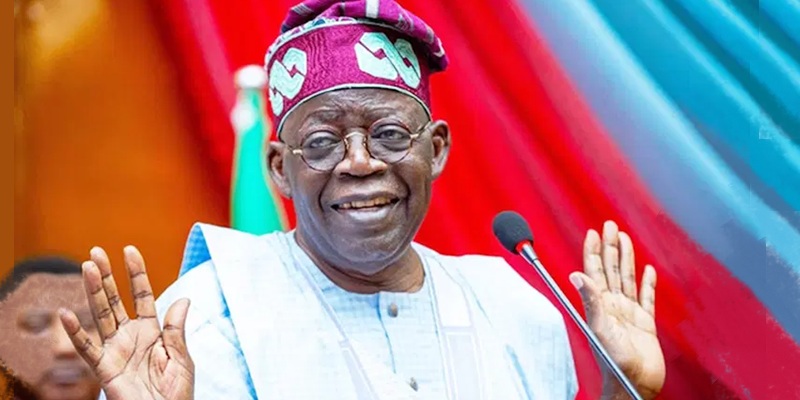
On May 29, 2023, during his inauguration, President Tinubu announced the end of Nigeria’s decades‑long fuel subsidy regime.
The policy was hailed by government officials as a bold step to free up public finances, boost Federation Account Allocation Committee (FAAC) revenues, and redirect funds toward infrastructure and social programs.
At the time, petrol prices jumped from under ₦200 per liter to over ₦500, with officials insisting that the painful adjustment was necessary to end an unsustainable fiscal drain.
The Reality of Rising Prices
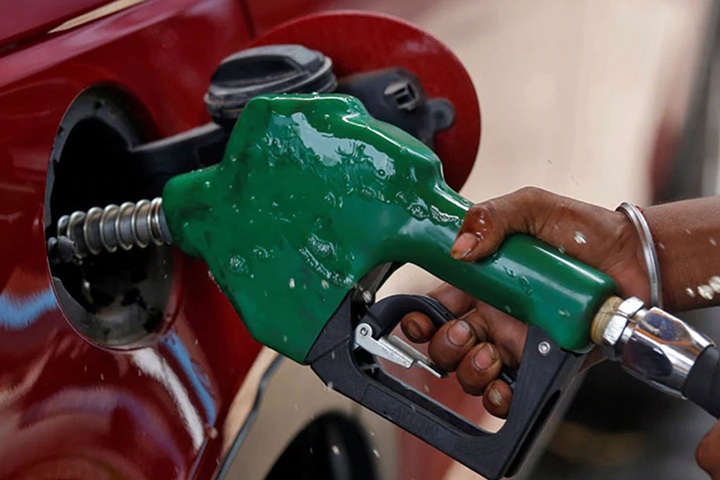
By mid‑2026, however, Nigerians are paying more than ₦1,300 per liter for petrol, a nearly tenfold increase compared to pre‑reform levels.
Despite these high prices, NNPCL’s financials show ₦7.13 trillion in “Energy Security Expenses” for 2024 alone, with the federal government owing the company a staggering ₦17.5 trillion.
The expenses, according to NNPCL, represent the cost of covering import differentials to stabilize domestic supply under the Petroleum Industry Act.
Officials insist these are not subsidies but necessary interventions to prevent fuel shortages and economic disruption.
Critics Cry Foul
Economist Dele Oye, chairman of the Alliance for Economic Research and Ethics Limited, has described the arrangement as a “hidden subsidy structure.”
He argues that the liabilities accumulated through “under‑recoveries” and “receivables” amount to a continuation of the subsidy regime under a different name.
“What Nigerians were told was subsidy removal. What we are seeing is subsidy rebranding,” Oye said in a July 22 statement.
Social commentator Emir Sirdam went further, calling the policy “the scam of the century.”
In a viral post, he accused the government of deceiving citizens by renaming subsidies as “Energy Security Expenses” while forcing them to pay exorbitant fuel prices.
“You might fool the gullible APC followers, but not all of us,” Sirdam wrote, reflecting widespread anger on social media.
Comparing Buhari and Tinubu
The numbers have fueled comparisons between Tinubu’s administration and that of former President Muhammadu Buhari.
Buhari’s government reportedly spent about ₦11 trillion on subsidies over eight years, during which petrol prices hovered between ₦187 and ₦250 per liter.
Tinubu’s government, by contrast, is said to have spent nearly the same amount in just two years, while prices soared past ₦1,000 per liter.
For many Nigerians, the figures suggest that the burden has not been lifted but intensified.
Government’s Defense
Officials maintain that the subsidy removal has increased FAAC allocations, giving states more resources for development.
They argue that the expenses recorded by NNPCL are not subsidies but operational costs tied to ensuring energy security in a volatile global market.
“Without these interventions, Nigerians would face crippling shortages,” one senior official explained.
The government insists that full market liberalization is underway, but acknowledges that the transition is complex and fraught with challenges.
The Broader Debate
The controversy underscores Nigeria’s long‑standing struggle to balance fiscal responsibility with social welfare. Fuel subsidies, while popular, drained public finances and encouraged smuggling.
Their removal was expected to stabilize the economy, but the persistence of “Energy Security Expenses” has raised questions about transparency, accountability, and the true nature of reform.
For ordinary Nigerians, the debate is less about terminology and more about survival.
With transport costs skyrocketing and inflation eroding household incomes, many feel betrayed by promises of relief that never materialized.
The perception that subsidies were merely renamed has deepened distrust in government and fueled calls for greater scrutiny of NNPCL’s finances.
Disclaimer: This report reflects ongoing debates and claims from multiple stakeholders.
Readers should verify details with trusted sources such as NNPCL’s official financial statements and independent economic analyses.