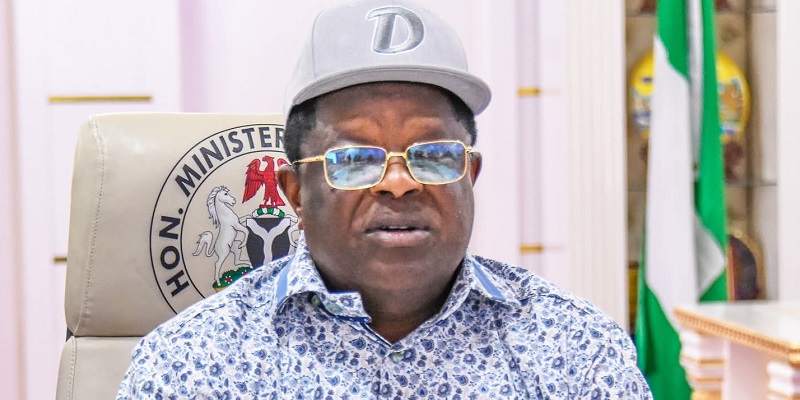

KADUNA, Kaduna State — Nigeria’s political and civic space has been shaken by the circulation of an alleged audio recording of Minister of Works, Senator David Umahi threatening Samuel Tabara Kato, president of the Southern Kaduna Peoples Union (SOKAPU), over a lawsuit filed in connection with the controversial death of 26‑year‑old nurse Mary Habila.
The recording was shared online by activist Towolawi Jamiu and later referenced in a SOKAPU press conference.
It has intensified scrutiny of the minister’s conduct and reignited debate about accountability in high‑profile cases involving public officials.
The Alleged Exchange
According to the transcript of the video released by SOKAPU, Umahi called Tabara via WhatsApp on July 28, 2026, and said:
“I am David Umahi, the Honourable Minister of Works. I saw your suit against me.
“You need money, right?
“I will teach you a lesson of your life so that you will learn never to mess with a person like me.
“I will give you ten lawsuits. People are mourning, and there you are taking me to court. I will deal with you.”
The minister allegedly ended the call abruptly.
SOKAPU condemned the remarks as “verbal threats and intimidating language” directed at its leadership for pursuing lawful judicial action.
The Death of Mary Habila
Mary Habila died suddenly on June 27, 2026, in a guest house at Umahi’s Ebonyi residence after arriving with a colleague.
Umahi described her as “like a daughter,” noting that he had previously funded treatment for her health issues.

He denied wrongdoing, insisting her death was linked to pre‑existing medical conditions.
SOKAPU, however, has demanded an independent investigation and compensation for Habila’s family.
The group argues that conflicting statements from family members and police officials about the need for an autopsy raise serious questions about transparency.
SOKAPU’s Position
At its July 28 press conference, SOKAPU stated:
“Our decision to seek judicial intervention and file a suit is entirely within the bounds of the Nigerian constitution and is meant to protect the dignity and rights of our people.
“No intimidation will work in this matter.
“Threats, abuse of power, or aggressive language from public office holders will not stop us from demanding accountability and justice for Mary Habila.”
The union emphasized that its legal action was not politically motivated but aimed at ensuring due process in a case that has unsettled the community.
Government Silence
As of press time, Umahi has not issued a formal response to the allegations.
Officials close to him maintain that he has cooperated with police inquiries and that the matter is being politicized.
The Ministry of Works has declined to comment on the authenticity of the recording, citing ongoing investigations.
Public Reaction
The alleged phone call has sparked outrage across social media, with many Nigerians condemning what they see as arrogance and abuse of power.
Hashtags demanding justice for Mary Habila have trended, while civic groups have called for stronger protections against intimidation of activists and community leaders.
For many, the case symbolizes the broader struggle between ordinary citizens seeking justice and political elites perceived as untouchable.
“This is not just about Mary,” one activist wrote. “It is about whether Nigerians can hold leaders accountable without fear.”
Broader Implications
Analysts say the controversy highlights systemic weaknesses in Nigeria’s justice system.
High‑profile cases often stall amid political influence, leaving families without closure.
The alleged Umahi–Tabara exchange has intensified calls for reforms to ensure independent investigations and judicial integrity.
The incident also raises questions about the conduct of public officials.
Threatening civic leaders, if proven true, undermines democratic norms and erodes public trust in governance.
For SOKAPU and its supporters, the case is a litmus test for whether Nigeria’s institutions can withstand pressure from powerful figures.
Timeline of Events: The Mary Habila Case
June 27, 2026 — Sudden Death at Umahi’s Residence
- Mary Habila, a 26‑year‑old nurse, arrives at Minister David Umahi’s Ebonyi residence with a colleague.
- She is accommodated in a guest house on the property.
- Later that day, she dies suddenly under unclear circumstances.
- Umahi describes her as “like a daughter,” noting he had previously funded treatment for her health issues.
Late June 2026 — Initial Reactions
- Police confirm her death but issue conflicting statements about whether an autopsy is necessary.
- Family members also give mixed accounts, some requesting an autopsy, others resisting.
- Public suspicion grows, with activists and civic groups calling for transparency.
July 2026 — SOKAPU Steps In
- The Southern Kaduna Peoples Union (SOKAPU), led by President Samuel Tabara, files a court action demanding an independent probe and autopsy.
- SOKAPU also calls for compensation for Habila’s family, framing the case as a matter of accountability and justice.
July 27, 2026 — Media Spotlight
- Tabara appears in a televised interview, reiterating SOKAPU’s demand for transparency.
- He emphasizes that the lawsuit is lawful and constitutionally protected, aimed at uncovering the truth behind Habila’s death.
July 28, 2026 — Alleged Phone Call
- At approximately 9:39 a.m., activist @jharmo shares an alleged audio recording on X.
- In the recording, a voice identified as Minister Umahi threatens Tabara: “I will teach you a lesson of your life… I will give you ten lawsuits… People are mourning, and there you are taking me to court. I will deal with you.”
- The call is said to have been made via WhatsApp from Umahi’s phone number.
- The recording quickly goes viral, sparking outrage online.
July 28, 2026 — SOKAPU Press Conference
- SOKAPU holds a press conference condemning Umahi’s alleged threats.
- The union asserts:
- Its legal action is constitutional and legitimate.
- No intimidation or abuse of power will deter its pursuit of justice.
- Threats from public office holders are unacceptable and undermine democracy.
- The group vows to continue pressing for an independent investigation and accountability.
July 29, 2026 — Public Debate Intensifies
- Nigerians debate the case across social media, with hashtags demanding justice for Mary Habila trending.
- Civic leaders argue the alleged exchange highlights systemic weaknesses in Nigeria’s justice system, where powerful figures are often seen as beyond accountability.
- Analysts warn that failure to address the case transparently could erode public trust in institutions.
Significance
This timeline illustrates how a personal tragedy escalated into a national controversy.
From Mary Habila’s sudden death to the alleged threats against SOKAPU’s president, the case has become a test of Nigeria’s justice system and the conduct of those in positions of power.
Disclaimer: This report is based on allegations and ongoing investigations.
The authenticity of the audio recording has not been independently verified.
Readers are advised to follow updates from credible sources, including official police statements and court proceedings.