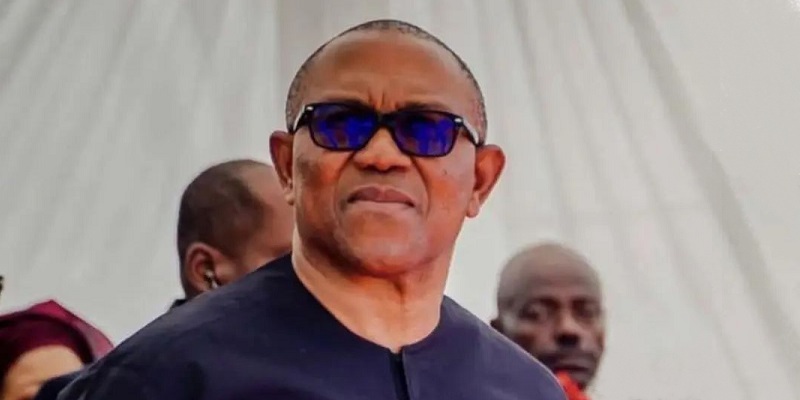
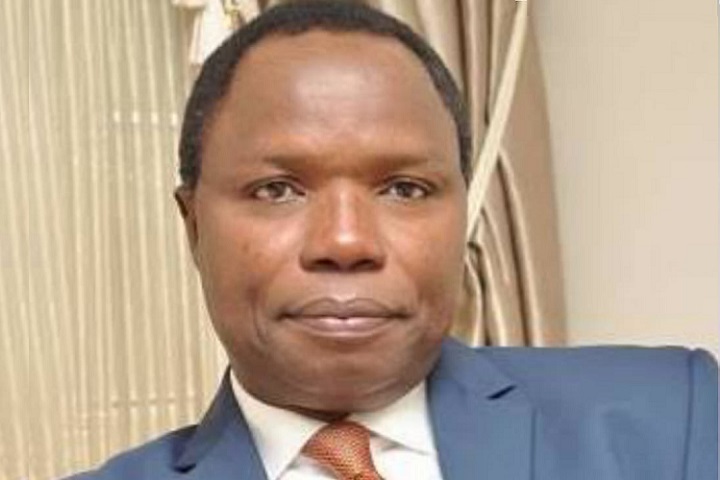
TDVery few people can genuinely claim even a fraction of the discipline, composure, and public trust that Peter Obi has built over the years.
Whether one agrees with all his politics or not, his ability to connect with ordinary people across regions, religions, and social classes is remarkable.
Today, if you mention Obi in many parts of the world — among Nigerians in the diaspora, students, professionals, investors, or Africans following Nigerian politics — people immediately recognize the name.
That level of influence is not manufactured. It comes from consistency, simplicity, prudence, and the perception that he represents a different political culture.
How many of us can honestly boast of even 10% of Obi’s leadership qualities — his restraint, humility, discipline, and ability to remain focused under relentless attacks?
 Leadership is not merely about occupying office or displaying certificates.

It is about credibility, emotional intelligence, sacrifice, and the ability to inspire confidence among ordinary people.
Ironically, many who mock him over academic grades or political style overlook the fact that Obi is widely regarded as a self-made dollar billionaire who built successful businesses long before politics.
Yet, he is known for an unusually modest lifestyle by Nigerian elite standards.
You rarely see the obsession with convoys, flamboyance, Rolls-Royces, or extravagant displays of wealth.
People often point to his simple appearance — sometimes even ordinary rubber shoes — as symbolic of a man who understands that leadership is not a fashion competition.
History itself has repeatedly shown that greatness is not always tied to elite academic labels or loud self-promotion.

Thomas Edison, John D. Rockefeller, and Andrew Carnegie reshaped industries without elite academic paths.
Albert Einstein was underestimated by many during his early years. The world ultimately measures people by impact, not by noise.
The real discomfort among Obi’s political rivals may not even be Obi himself, but what he represents: a growing public demand for accountability, prudence, and leadership that appears closer to ordinary citizens than to the insulated political elite.
Nigerians are increasingly tired of political noise, arrogance, and endless propaganda.
We are often too loud to be taken seriously and too proud to embrace humility. Yet nations advance when citizens begin to value substance over theatrics.
At the end of the day, the real question is not whether Obi is perfect — no leader is.

The real question is why millions of Nigerians, especially young people, see in him a reflection of the kind of disciplined and responsible leadership they have long been denied.