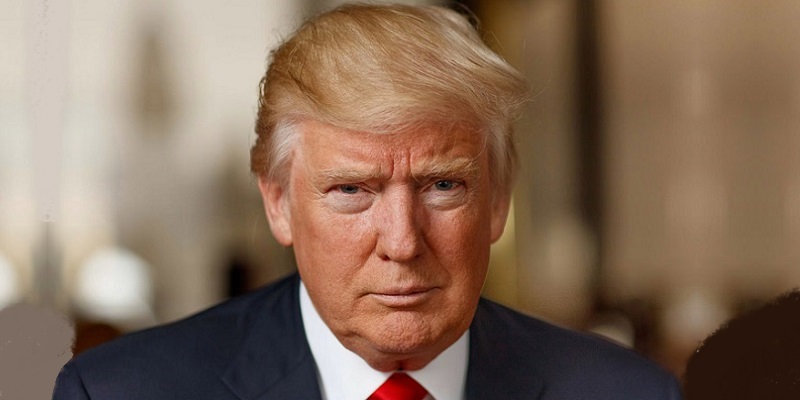
TDPresident Donald Trump has declared that the United States will hit Iran “VERY HARD TONIGHT,” warning that he will “bomb the shit” out of the country if it fails to sign a deal by today.

His remarks come as negotiations between Washington and Tehran have reportedly collapsed, according to Axios.
US officials say the strikes are intended to force Iran back to the negotiating table, with hundreds of targets expected to be hit in the coming hours.
Taking to his truth Social handle, Trump posted:

Regional and Global Reactions
The announcement has triggered urgent calls for restraint across the Middle East and beyond:
- Turkey’s Foreign Minister urged both sides to halt renewed attacks and return to negotiations.
- Saudi Arabia condemned Iranian attacks and called for talks with the US to continue.
- China strongly urged an immediate halt to military operations in the region.
- The United Nations nuclear watchdog demanded Iran provide “complete information” about its enriched uranium stockpiles.
Iran’s Response
Iran has rejected reports of ongoing talks with President Trump, vowing to respond to US strikes with counterattacks.
Iranian officials claim the country now possesses “military capabilities far greater than what we had when this war started.”
Already, Iranian drones and missiles have reportedly entered Jordanian airspace.
Meanwhile, strikes have been launched against Bahrain.
The Islamic Revolutionary Guard Corps (IRGC) has also threatened major strikes against Israel.
Strait of Hormuz Crisis
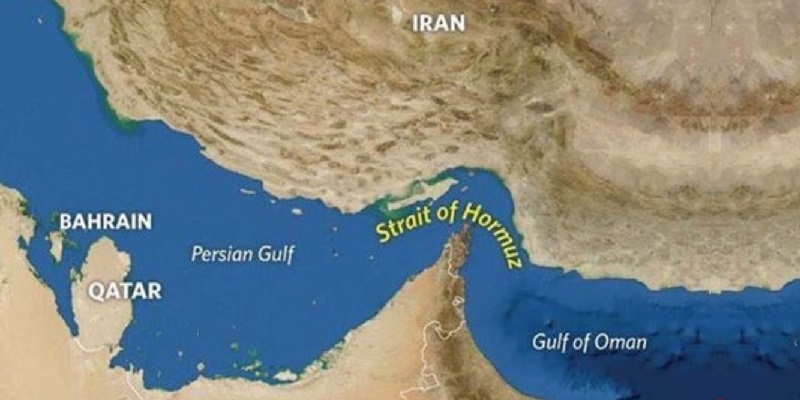
The US military insists the Strait of Hormuz remains open, despite Iranian claims to the contrary.
Iran, however, says two ships attempting passage were hit and later announced the complete closure of the strategic waterway in response to US strikes.
The Strait of Hormuz is a critical global oil transit route, and its closure could have severe economic repercussions worldwide.
Conflicting Reports on Negotiations
While CNN reports that US-Iran talks are still on track overnight, Iranian officials have categorically denied any negotiations, signaling a widening gulf between the two sides.
The situation between the United States and Iran has reached a dangerous flashpoint.
With threats of intensified strikes, Iranian counterattacks, and the closure of the Strait of Hormuz, the risk of a broader regional conflict looms large.
International actors are calling for restraint, but both Washington and Tehran appear entrenched in confrontation.