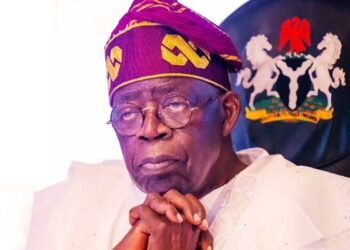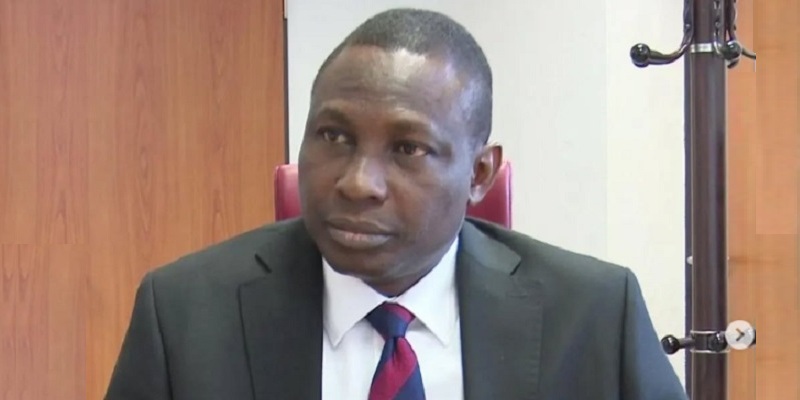
TD The Good Governance Group (GGG) has called for the resignation of the Chairman of the Economic and Financial Crimes Commission (EFCC), Mr. Ola Olukoyede, following President Bola Ahmed Tinubu’s directive ordering the removal of the freeze on Osun State Government accounts.
The presidential order has continued to generate intense political and legal debate, with some Nigerians questioning the independence of EFCC.
Meanwhile, others are defending President Tinubu’s intervention as necessary to protect the integrity of the forthcoming Osun State governorship election.
The latest reactions, circulated by the Good Governance Group, include calls for the resignation of the EFCC Chairman.
The GGG argued that if Olukoyede considers himself an honourable public official, he should step down.
The call followed what was described as a public repudiation of the EFCC’s action by the President.
According to the statement, the President’s directive effectively undermined the anti-corruption agency’s decision to obtain a court order freezing the Osun State Government’s accounts.

The directive left the EFCC Chairman with what the GGG described as diminished moral authority to continue leading the commission.
Mixed Reactions to Presidential Intervention
Another legal and political commentator offered a more nuanced assessment.
He described the President’s intervention as “politically prudent” because it prevented the account freeze from undermining public confidence in the Osun governorship election.
The commentator argued that allowing the freeze to remain in place could have disrupted the operations of a constitutionally recognised state government during a sensitive electoral period.
However, the same analysis criticised the Presidency’s handling of the matter.

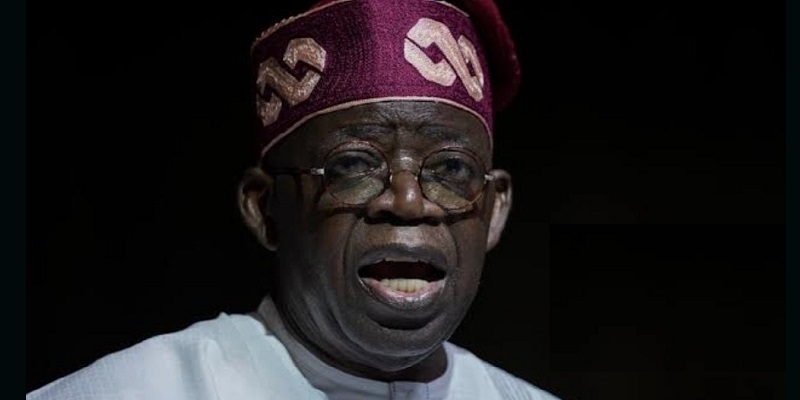
It noted that the official statement appeared contradictory by claiming non-interference while simultaneously directing the EFCC to reverse its enforcement action.
The commentary noted that the President sought to preserve the EFCC’s investigative powers.
It further suggested, though, that the directive demonstrated that the commission’s operational independence remains subject to executive influence.
According to the analyst, the decision has created a precedent that may face further scrutiny in future disputes.
The precedent involves anti-corruption investigations and political office holders.

Questions Over Presidential Responsibility
A separate commentator rejected suggestions that Tinubu may not have been aware of the account freeze before it became public.
The critic argued that, as Nigeria’s Chief Executive, the President ultimately bears responsibility for the actions of federal law enforcement agencies.
The responsibility entails regardless of whether he had prior knowledge of the specific enforcement measure.
The commentator also questioned why no disciplinary action had been taken against Olukoyede if the Presidency considered the account freeze inappropriate.
Political Debate Intensifies
The controversy has become one of the major political issues surrounding preparations for the Osun State governorship election.
Supporters and critics of the Federal Government offer sharply contrasting interpretations of the President’s directive.
Supporters argue that the intervention prevented an enforcement action that could have affected governance and electoral confidence.
Critics, on the other hand, maintain that the episode raises fresh questions about the practical independence of Nigeria’s anti-corruption institutions and the relationship between the Presidency and the EFCC.
The public debate over the Presidency’s decision regarding the Osun State Government account freeze, meanwhile, continues.