


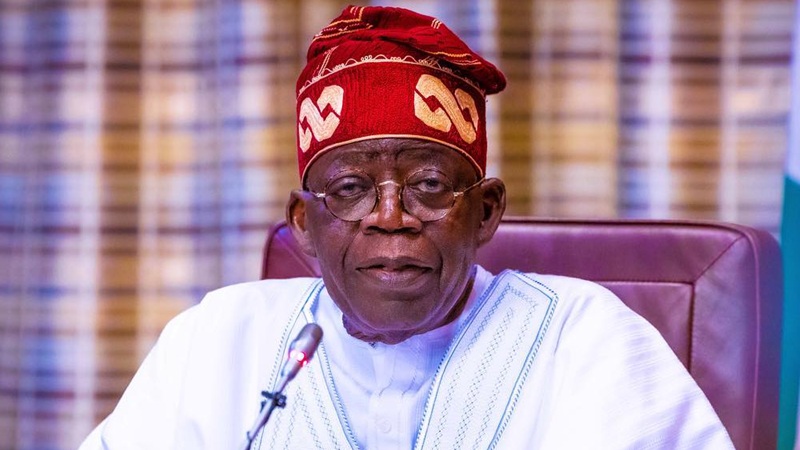

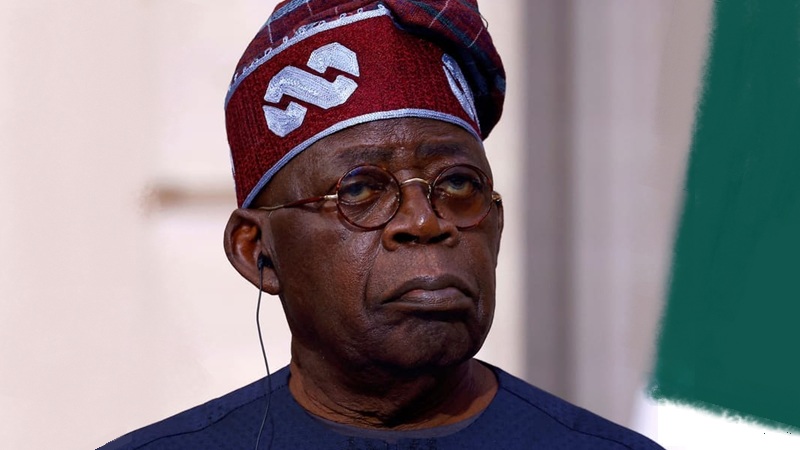
 President Bola Tinubu has asked the National Assembly to approve a ₦3.15 trillion reduction in Nigeria’s 2026 federal budget.
The proposal seeks to reduce the approved expenditure from ₦68.32 trillion to approximately ₦65.18 trillion.
However, the proposed adjustment will leave the government’s projected budget deficit unchanged.
Tinubu communicated the request in a letter dated November 20, 2026, addressed to the Speaker of the House of Representatives, Tajudeen Abbas.
The letter was presented during the House plenary on Tuesday, November 24.
The President requested a repeal and re-enactment of the 2026 Appropriation Act alongside a revised fiscal framework.

Why Tinubu Wants to Reduce the 2026 Budget
According to the President, the proposed adjustment is intended to align government spending with available resources and existing financial obligations.
The revision will also accommodate certain expenditures incurred by the Nigerian National Petroleum Company Limited on behalf of the Federation.
Other adjustments include previously underprovided debt-service obligations and outstanding commitments to government ministries and agencies.
The government also intends to recognise issued capital warrants and provide refunds to Ministries, Departments and Agencies (MDAs).
Tinubu explained that the changes would improve budget implementation and prioritise existing government commitments.
Which Areas Will Receive Attention?
Under the revised proposal, the Federal Government projects total revenue of ₦33.72 trillion.

Capital expenditure is estimated at ₦26.23 trillion.
The President also identified several priority areas for government spending.
These include completing critical road projects and protecting agricultural production.
Other priorities include reducing production costs, improving farm yields and expanding access to markets.
The revised framework also provides for interventions addressing water-related challenges.
According to the President, these adjustments will strengthen capital budget implementation and support important national development projects.

Government Retains ₦31.46 Trillion Budget Deficit
Despite reducing the overall budget, the Federal Government plans to maintain its ₦31.457 trillion fiscal deficit.
The deficit represents approximately 5.64 per cent of Nigeria’s Gross Domestic Product (GDP).
The government’s proposed borrowing plan also remains unchanged at ₦29.218 trillion.
This comprises ₦18.428 trillion in domestic borrowing and ₦10.790 trillion in foreign borrowing.
The President explained that the proposed $7.7 billion external loan would finance an existing foreign borrowing provision.
He maintained that the loan would not increase the overall borrowing limit under the revised framework.
The decision to retain the deficit and borrowing projections means the proposed spending reduction will not automatically reduce the government’s financing gap.
National Assembly to Consider Revised Budget
Tinubu has requested the cooperation of lawmakers for the speedy consideration and passage of the revised appropriation bill.
The proposal must receive legislative approval before the revised budget can take effect.
The Federal Government says the adjustment will support orderly budget implementation and settlement of outstanding obligations.
However, the decision to maintain the existing deficit and borrowing plans is likely to attract further attention during legislative scrutiny.
The proposed reduction represents a significant adjustment to Nigeria’s 2026 spending plan.
Its eventual impact will depend on legislative approval, revenue performance and how effectively the government implements the revised allocations.
This Dawn News will continue to monitor developments as the National Assembly considers the proposed budget changes.