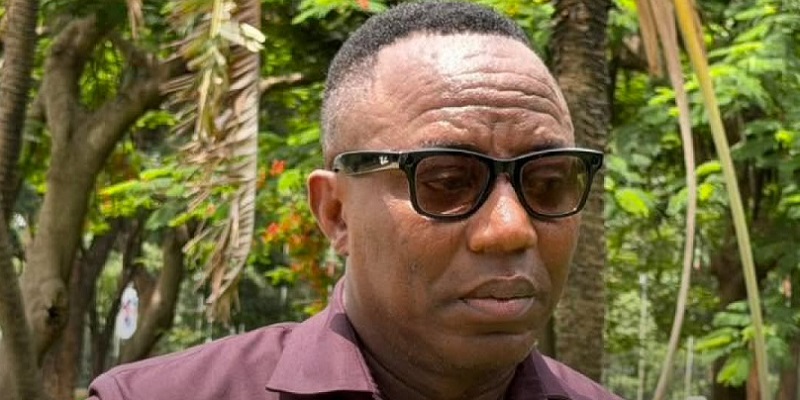
TD Revolutionary activist and 2027 African Action Congress (AAC) presidential candidate, Omoyele Sowore, has criticised Osun State Governor Ademola Adeleke for endorsing President Bola Ahmed Tinubu’s bid for a second term.
Governor Adeleke made the endorsement shortly after the Independent National Electoral Commission (INEC) declared him the winner of the August 15, 2026 governorship election.
In his post-election remarks, Adeleke reaffirmed his support for Tinubu’s 2027 presidential re-election bid.
He cited the President’s support for a free and fair election, describing Tinubu as “a son of Osun State”.
Sowore, however, condemned the endorsement, particularly its ethnic dimension.
He argued that the political leadership had failed to address the deaths and violence recorded before and during the election.

In a statement posted on social media, Sowore said close to 50 people had been sacrificed in violence surrounding the election.
He described the situation as evidence of what he characterised as the politicians’ prioritisation of political power over human lives.
“These evil people had to sacrifice close to 50 lives in violence before and during the Osun election #OsunDecides2027, all just to prove that ‘agreement is agreement,’” Sowore wrote.
He also mocked Adeleke’s decision to endorse Tinubu less than 24 hours after the governor was declared the winner.
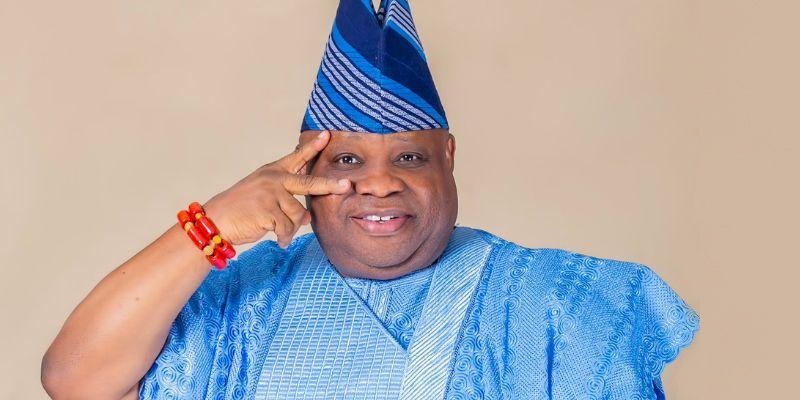
“And when I said @AAdeleke_01 has nothing upstairs, it took him less than 24 hours after INEC declared him the winner to prove that,” Sowore said.
According to him, Adeleke’s stated reason for supporting Tinubu was that the President is a Yoruba man.

That, he said, was particularly troubling, given that many of those reportedly killed in election-related violence were also Yoruba.
“Yet the people who lost their lives in the violence were mostly Yoruba people,” he said.
Sowore questioned why there had been no publicly announced comprehensive investigation into the deaths or clear identification of those responsible for the violence.
“Who killed them? Who ordered or enabled the violence? Who is investigating their deaths? Where is the justice for their families?” he asked.
His comments come amid reports of widespread political violence and electoral irregularities in Osun State in the period leading up to and during the governorship election.
Reports documented dozens of violent incidents involving political supporters, including clashes, intimidation, injuries and allegations of ballot-related violence.

Political supporters associated with the major parties traded accusations over responsibility for the violence.
Meanwhile, concerns were raised about the safety of voters and election officials.
Sowore argued that the political establishment had focused instead on preserving political alliances, family interests and access to government resources.
“To them, what is paramount is protecting family political interests, securing power and preserving access to the spoils of government, while ordinary Nigerians are left to carry the pain, grief and sorrow,” he said.
He concluded by describing the political actors involved as “wicked people” and appended the hashtag #REVOLUTIONNOW.
The controversy highlights a broader debate over the role of ethnicity in Nigerian politics, particularly ahead of the 2027 general election.
It also examines whether political endorsements based on ethnic or regional affiliations should take precedence over accountability for electoral violence and the protection of citizens.