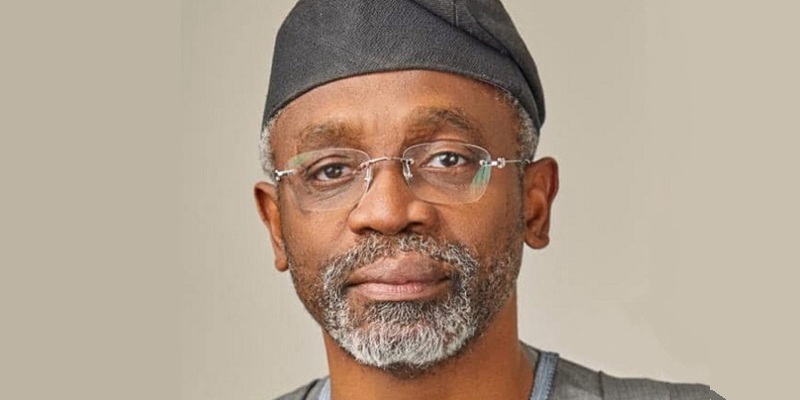

Abuja, Nigeria – An exclusive investigation by Peoples Gazette has revealed how President Bola Tinubu’s Chief of Staff, Femi Gbajabiamila, allegedly used a fabricated legal provision to corner ₦54 billion in oil and gas royalties from the Nigeria Upstream Petroleum Regulatory Commission (NUPRC).
The revelations have sparked outrage across political and civil society circles, raising questions about executive overreach, accountability, and the integrity of Nigeria’s oil revenue management.
The Memo and Alleged Fake Law
Documents obtained by The Gazette show that only weeks after President Tinubu assumed office in May 2023, Gbajabiamila began lobbying Nigeria’s most lucrative agencies for funds.
These included the Nigeria Revenue Service (formerly FIRS), the Nigerian Maritime Administration and Safety Agency (NIMASA), and the Nigeria Customs Service.
The NUPRC was not spared.
In a memo dated July 4, 2023, Gbajabiamila directed that 1.5 per cent of NUPRC’s cost of collection—amounting to ₦54 billion—be ringfenced for “upgrading crude oil and gas metering and transparency systems.”
He justified this by citing Section 24(2)(c) of the Petroleum Industry Act (PIA) 2023.
However, checks revealed that the cited section merely states that the commission’s fund shall include “cost of collection by the commission.”
It does not authorise the diversion of revenue, nor does it empower the president or his aides to dictate how such funds are allocated.
Legal analysts say Gbajabiamila’s citation was misleading and amounted to fabricating a legal basis for the directive.
Presidency’s Defence
Presidential spokesman Bayo Onanuga defended Gbajabiamila, insisting he acted on Tinubu’s instructions and that the order was within the president’s powers.
“Gbajabiamila did not commandeer any money.
“The presidential order given to the NUPRC is within the right of the Mr President as president and C-in-C,” Onanuga said.
Yet, legal experts argue that Section 24(1) of the PIA clearly assigns appropriation powers to the National Assembly, not the presidency.
This raises constitutional questions about whether Tinubu’s directive constitutes an overreach of executive authority.
Critics warn that if unchecked, such practices could undermine Nigeria’s democratic institutions and weaken parliamentary oversight of public finance.
Financial Context
The NUPRC’s cost of collection has grown significantly in recent years.
In 2022, it stood at ₦98 billion, but following Tinubu’s unification of exchange rates, it surged to ₦145 billion in 2023.
The ₦54 billion allegedly diverted represents a substantial portion of this revenue.
It raises concerns about how such funds are managed and whether they are being used for the benefit of the Nigerian people.
Gbajabiamila’s Controversial Past
The Chief of Staff is no stranger to controversy.
His career has been marred by allegations of corruption and misconduct:
- United States: Disbarred by the Georgia State Bar in 2020 after a five-year suspension for allegedly stealing money from a client.
- Nigeria (2022): Accused of accepting $2 million in cash bribes to secure passage of the Petroleum Industry Bill, despite opposition from host communities.
- Current scandal: Linked to a ₦400 million bribery case involving the controversial Presidential Foreign Investment Promotion Council (PFIPC).
Prince Adeniyi Adeyemi, PFIPC’s Director General, accused Gbajabiamila of demanding 48 per cent commission from a ₦27.7 billion grant and collecting ₦400 million through proxies.
Adeyemi further alleged that Gbajabiamila sought an additional ₦200 million to secure his appointment.
Wider Implications
The revelations have intensified scrutiny of Tinubu’s administration.
Civil society organisations are warning that the alleged diversion undermines transparency in Nigeria’s oil sector.
The oil and gas industry remains the backbone of Nigeria’s economy.
Therefore, any mismanagement of its revenues has far-reaching consequences for development, infrastructure, and public welfare.
Analysts say the scandal highlights systemic weaknesses in governance, particularly the blurred lines between executive directives and statutory mandates.
It also underscores the urgent need for stronger oversight mechanisms to prevent abuse of power in the management of public funds.
Government Response
President Tinubu has ordered a 30-day investigation into the allegations, promising prosecution of anyone found culpable.
Whether this investigation will be independent and transparent remains a pressing concern, especially given the presidency’s defence of Gbajabiamila’s actions.
Meanwhile, the alleged diversion of ₦54 billion from NUPRC by Gbajabiamila, using a questionable legal citation, has sparked outrage and renewed calls for accountability.
With the presidency defending the directive and legal experts disputing its validity, the matter is likely to test Nigeria’s institutions.
It could also set a precedent for how executive authority is checked in matters of public finance.
As Nigeria grapples with economic challenges and rising public distrust, the outcome of this investigation will be closely watched both domestically and internationally.