
Nigeria’s democratic process faces fresh scrutiny as legal experts and former electoral officials raise alarm over provisions in the 2026 Electoral Act that they describe as “shocking” and “embarrassing.”
At the center of the controversy are Sections 63 and 138, which critics argue could sabotage voting integrity at the polling level and undermine confidence in the 2027 general elections.
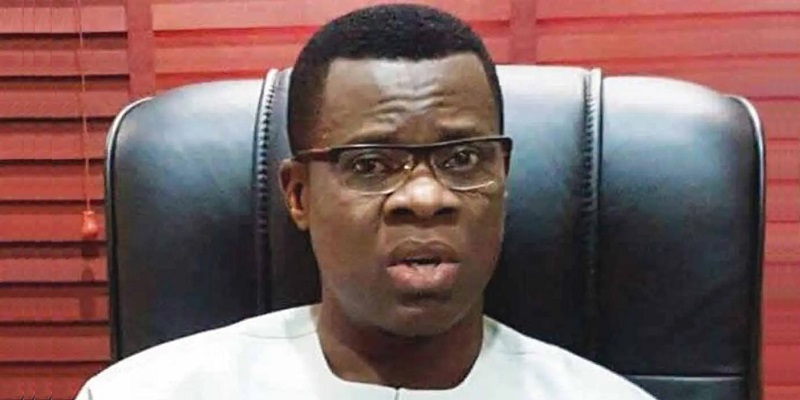
Former INEC Resident Electoral Commissioner, Mike Igini, has condemned this clause as a dangerous loophole during an interview on Arise TV.
According to him, the provision effectively grants presiding officers unchecked discretion to validate ballot papers that lack INEC’s security imprint.
Section 63 of Electoral Act: Discretion Over Ballot Papers
Section 63 of the Act stipulates that ballot papers without the official mark of the Independent National Electoral Commission (INEC) shall not be counted.
However, it introduces a critical exception: if the presiding officer is “satisfied” that the ballot paper came from an official ballot book issued to the polling unit, it may still be accepted and counted.
“What this means is that politicians who have access to INEC’s serial numbers and security features could produce their own ballot papers,” Igini warned.
He described the clause as a revival of a controversial provision from the 2010 Electoral Act that was later removed after widespread criticism.
Analysts argue that the danger lies in the subjectivity of the phrase “where the officer is satisfied.”
They lamented that Nigeria is a country where electoral malpractice has historically plagued elections.
Therefore, leaving such discretion in the hands of presiding officers could open the door to manipulation, ballot stuffing, and post‑poll disputes.
Section 138 of Electoral Act: Shielding Electoral Officials
Equally troubling is Section 138, which restricts election petitions to violations of the Electoral Act itself, excluding breaches of INEC guidelines.
In practice, this means that if electoral officers fail to follow INEC’s operational procedures—such as proper transmission of results or adherence to accreditation protocols—such lapses cannot form the basis of a legal challenge unless they directly contradict the Act.
Critics say this provision shields electoral officials from accountability and weakens the ability of aggrieved parties to contest flawed processes.
“It is embarrassing that in 2026, after all the lessons of past elections, we are enacting laws that make it harder to challenge irregularities.
“This is a setback for transparency and judicial oversight,” one constitutional lawyer noted.
Historical Context and Implications
Nigeria’s electoral reforms have long been shaped by attempts to close loopholes exploited by politicians.
The removal of similar provisions in earlier Acts was hailed as progress toward cleaner elections.
The reintroduction of these clauses in 2026 has therefore shocked observers, who see them as a regression.
Civil society groups warn that unless urgent amendments are made, the credibility of the 2027 elections could be severely compromised.
Already, trust in INEC has been strained by controversies surrounding result transmission in past polls.
The new Act, they argue, risks deepening public cynicism and fueling post‑election litigation.
Calls for Reform on Electoral Act
Mike Igini and other reform advocates are urging lawmakers to revisit the Act before the 2027 elections.
They argue that electoral laws must prioritize transparency, accountability, and the elimination of discretion that can be abused.
“Sections 63 and 138 are not just technical oversights; they are dangerous provisions that could sabotage voting at the polling level,” Igini stressed.
Opposition parties have also seized on the controversy, calling for urgent legislative review.
Some have threatened to challenge the constitutionality of the provisions in court, while others are mobilizing civil society campaigns to pressure the National Assembly.
Public Reaction
The revelations have sparked heated debate across social media and civic forums.
Many Nigerians expressed disbelief that such provisions could be enacted in 2026, after decades of electoral reforms.
“This is embarrassing. It feels like we are moving backwards,” one commentator wrote on X.
Others warned that the loopholes could be exploited by desperate politicians, leading to violence and instability.
As Nigeria prepares for the 2027 general elections, the controversy over Sections 63 and 138 of the Electoral Act 2026 underscores the fragility of its democratic institutions.
With critics warning of ballot manipulation and weakened accountability, the pressure is mounting on lawmakers to act swiftly.
Whether reforms will be enacted before the polls remains uncertain.
One thing is clear, however: the credibility of Nigeria’s next election may hinge on how these “shocking and embarrassing” provisions are addressed.