



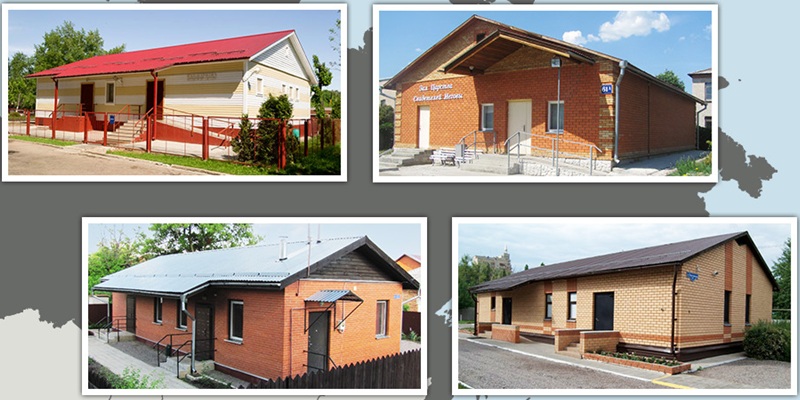
TD Russian authorities have ordered the confiscation of 123 properties associated with Jehovah’s Witnesses, transferring ownership of the properties to the government of the Russian Federation.
The latest development followed the country’s long-running crackdown on the religious group.
The Kuzminskiy District Court of Moscow issued the order on July 31, 2026, according to information released by Jehovah’s Witnesses.
The properties include Kingdom Halls and other facilities previously used by members of the religious organisation for worship and religious activities.
The development follows Russia’s April 2017 Supreme Court ruling.
The ruling ordered the liquidation of 395 local religious organisations belonging to Jehovah’s Witnesses and declared their activities extremist.

Following the ruling, authorities began taking control of properties registered to the dissolved legal entities.
Since then, additional Kingdom Halls and other properties previously used by Jehovah’s Witnesses have reportedly been seized by the state.
Court Orders Transfer of Ownership
During the July 31 hearing, a government prosecutor reportedly argued that the properties could potentially be used to support what authorities classify as “extremist activity or an extremist organization.”
After reviewing the evidence presented in the case, the court ruled in favour of the Russian state and ordered the confiscation of the 123 properties.
According to Jehovah’s Witnesses, the properties were owned by legal entities established by members of the faith in Austria, Denmark, Finland, the Netherlands, Portugal, Spain and Sweden.
The latest confiscation adds to a broader dispute between Russian authorities and Jehovah’s Witnesses that has continued since the 2017 ban.

Hundreds Remain Imprisoned
Jehovah’s Witnesses also allege that Russian authorities continue to arrest, prosecute and imprison members of the faith for activities including discussing the Bible and sharing their religious beliefs.
The organisation says that hundreds of Jehovah’s Witnesses remain imprisoned, including elderly people and individuals in poor health.
The group has described the prosecutions as part of a wider campaign against its religious activities in Russia and Crimea.
“National Security and Counter-Extremism Laws”
The Russian government, however, maintains that its restrictions are based on national security and counter-extremism laws.
It claims it distinguishes between religious belief and activities it considers extremist.
Jehovah’s Witnesses have continued to call for the release of imprisoned members and the restoration of their ability to worship freely.

The organisation said it remains confident that its members in Russia and Crimea will continue to endure the situation faithfully.
It, meanwhile, urged fellow believers around the world to continue praying for them.