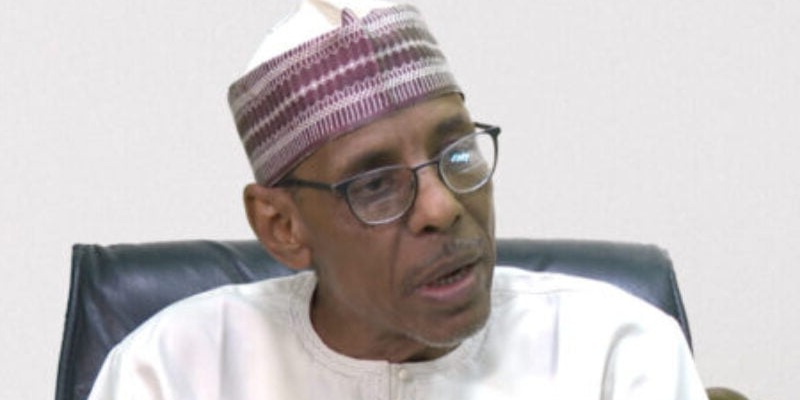

About three weeks ago, the leadership of the People’s Redemption Party (PRP), led by its National Chairman, Hakeem Baba-Ahmed, paid a courtesy visit to the National Chairman of the African Democratic Congress (ADC), Senator David Mark.
Shortly after, rumours began to circulate that the coalition leadership was considering PRP as an option for a coalition.
Although this speculation was unfounded, it triggered a sudden factional crisis within the PRP, a party that had historically enjoyed relative stability.
The leadership of Baba-Ahmed was challenged almost overnight, raising suspicions about external interference.
The ADC Case
The ADC itself has been at the centre of controversy.
Allegations have surfaced that the Independent National Electoral Commission (INEC) chairman, accused by critics of being sympathetic to the ruling All Progressives Congress (APC), connived with APC operatives to destabilize the ADC.
This alleged collusion reportedly involved exploiting internal disagreements, amplifying factional disputes, and creating confusion over party leadership.
The ADC, once seen as a growing alternative platform, has struggled to maintain cohesion amid these pressures.
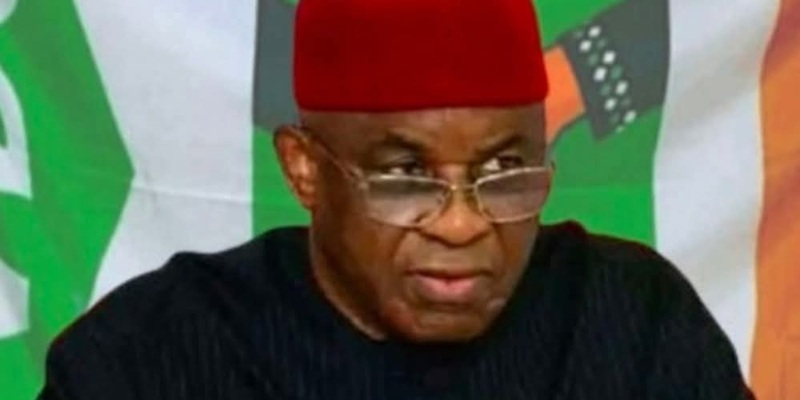
Shrinking Democratic Space
Observers argue that these developments are not isolated incidents but part of a broader pattern of political engineering aimed at weakening opposition parties.
The APC-led federal government has consistently denied involvement, insisting that the crises are internal matters.
However, the recurring nature of these disruptions across multiple opposition platforms has raised concerns about the health of Nigeria’s democracy.
Reaction from ADC
ADC spokesman Bolaji Abdullahi delivered a scathing response, indicting the ruling APC.
He posted on his social media handle:
“This has to be the most shameless government in Nigeria’s history.
This is the reality of Nigeria’s shrinking democratic space under the All Progressives Congress.
The government may continue to deny any involvement in the crises within other parties, insisting that these are merely internal failures, but the pattern is visible.
The world can see what is happening. More importantly, they can see where this path leads.”
Abdullahi warned that a political strategy anchored on sabotaging opposition platforms is ultimately self-destructive:
“When people are left with no options, they are, in reality, left with no choice.”
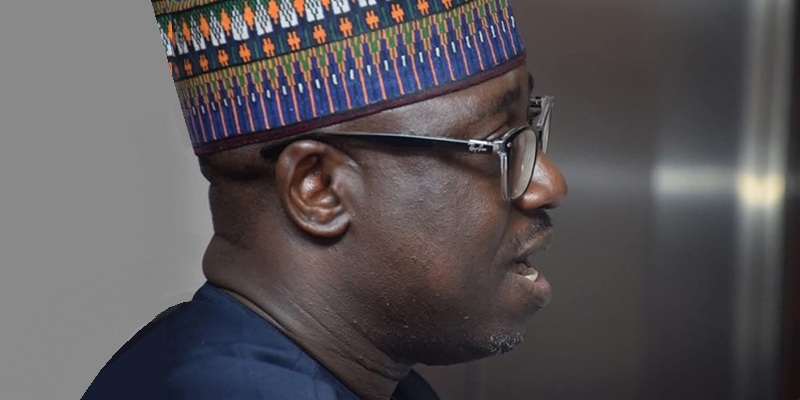
More Reaction Trail PRP Implosion
Political commentator Kingsley Obom-Egbulem also raised alarm over what he described as troubling developments in Nigeria’s political space.
He warned that the government’s actions are testing the patience of citizens and could trigger unrest reminiscent of the EndSARS protests.
In a strongly worded statement, Obom-Egbulem likened the emergence of factions within political parties to a family breaking apart after controversial associations.
He argued that the government’s handling of political alliances and opposition voices is creating instability that could escalate into widespread discontent.
PRP Splits After 50 Years of Stability
PRP, Nigeria’s oldest surviving political party, recently experienced its first major factional crisis in nearly five decades.
According to Obom-Egbulem, the split followed a meeting between PRP leaders led by Dr. Baba-Ahmed and the ADC leadership two weeks ago.
For the first time in its history, the PRP now has a faction led by Abdulmajid Yakubu Daudu.
It signals internal divisions that observers say could weaken the party’s influence ahead of the 2027 elections.
Rising Concerns Over Governance
Obom-Egbulem criticized the ruling government, accusing it of pushing Nigerians “to the wall” without recognizing the growing frustration among citizens.
He warned that the lack of sensitivity from government officials could lead to an “explosion”.
He stressed that the EndSARS revolt would appear like child’s play if current trends continue.
He noted that opposition figures such as David Mark, Rauf Aregbesola, Peter Obi, and Rabiu Kwankwaso have become lightning rods for controversy.
According to him, alliances or meetings involving them often spark factional disputes within parties.
Analysts’ Perspective
Political analysts say the PRP’s crisis reflects a broader trend of instability within Nigeria’s opposition parties.
Many of the instabilities are struggling to maintain unity in the face of government pressure and internal disagreements.
The emergence of factions could complicate efforts to build a united front against the ruling party in 2027.
Observers also warn that the government’s perceived intolerance of dissent and opposition alliances may fuel public anger, particularly among young Nigerians who remain disillusioned with governance and economic hardship.
Political Outlook for PRP and ADC in Nigeria
The factional split within the PRP, coupled with warnings from Abdullahi and Obom-Egbulem, underscores the fragile state of Nigeria’s democracy.
As opposition parties grapple with internal divisions and the government faces mounting criticism, the political climate is becoming increasingly volatile.
Analysts caution that unless both government and opposition leaders prioritize dialogue, inclusivity, and respect for democratic norms, Nigeria may be heading toward another wave of mass protests and political upheaval.
The allegations of APC and INEC interference in opposition parties highlight growing fears of democratic backsliding in Nigeria.
As Abdullahi noted, the engineering of crises within rival parties may sow seeds of national instability.
The question remains whether voices within the APC will rise to caution against a strategy that risks undermining the very foundations of Nigeria’s political system.