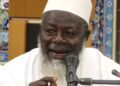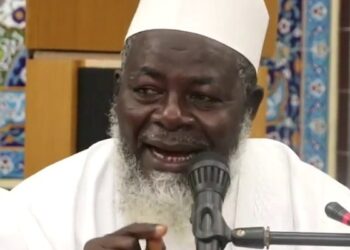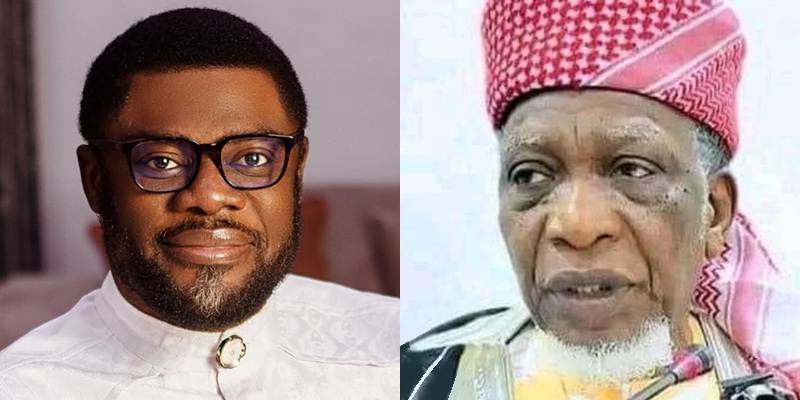
TD A viral video has ignited controversy across Nigeria after Prophet Isa El-Buba delivered a scathing rebuke of Islamic cleric Sheikh Sani Yahaya Jingir, who allegedly referred to Christians as “infidels” during a public gathering.
In the widely circulated footage, El-Buba condemned the remarks as reckless and divisive, warning that such rhetoric threatens Nigeria’s fragile unity.
He accused northern political and religious leaders of enabling extremist language that undermines peaceful coexistence.
“Somebody is standing there in your meeting shouting, Muslim, Muslim, calling Christians “infidels”.
“If Christians should do this, who is going to have a country?”
El-Buba’s criticism extended beyond the cleric’s words to broader social challenges in northern Nigeria.

He highlighted poverty, banditry, drug abuse, and criminality as pressing issues that demand urgent attention from religious leaders, saying:
“Are you not ashamed that banditry is here in the north? Criminality is here in the north.
“It is here in the north you have the highest level of drug addicts.
“If you are sane, you should begin to preach the message that will help to bring people out of bondage and captivity.”
The fiery preacher also issued a stern warning to Christians, urging them not to align with what he described as “evil, brainless people and creatures.”
He called on Muslims of goodwill to reject divisive voices within their ranks, insisting that Nigeria’s survival depends on unity and mutual respect.
El-Buba Urges “Sane” Kano People to Vote Out Governor Yusuf
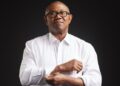
Prophet El-Buba also took a swipe on Kano State Governor Abba Kabir Yusuf.
In the fiery address, El-Buba urged what he described as “sane” Kano citizens to vote out the governor.
He accused him of presiding over a system that tolerates divisive rhetoric and fails to address the region’s deep-rooted challenges.

The cleric condemned the atmosphere in Kano where, according to him, Christian citizens are branded “infidels” by some Islamic leaders.
He argued that such intolerance undermines national unity and distracts from urgent issues like poverty, banditry, and drug abuse, which he said remain rampant in the north.
El-Buba insisted that leaders should be focused on solutions to these crises rather than perpetuating religious hostility.
Calling on Kano residents to take responsibility at the ballot box, El-Buba declared that the time had come to reject leaders who, in his words, “enable creatures that divide rather than heal.”
His remarks have sparked heated debate, with supporters praising his boldness while critics warn that his language could inflame tensions in an already fragile political climate.
Reactions and Implications
The video has sparked intense debate online and offline.

Supporters of El-Buba praised him for “speaking truth to power” and confronting what they see as entrenched intolerance.
Critics, however, argue that his own language risks escalating tensions in a country already struggling with religious and ethnic fault lines.
Nigeria has a long history of sectarian conflict, particularly in the north where clashes between Christian and Muslim communities have claimed thousands of lives over the years.
Analysts warn that inflammatory rhetoric from influential clerics — whether Christian or Muslim — can easily fuel unrest, especially in the run-up to the 2027 elections when political actors often exploit religious divides.
Call for Responsible Leadership
Observers say the incident underscores the urgent need for responsible leadership across faith communities.
Religious leaders wield enormous influence in Nigeria, and their words often carry political weight.
Calls are growing for clerics to use their platforms to promote peace, tolerance, and solutions to pressing socio-economic challenges rather than deepen divisions.
As the video continues to trend, the controversy serves as a reminder of the delicate balance Nigeria must maintain between freedom of speech and the responsibility to safeguard national unity.
Whether El-Buba’s remarks will spark constructive dialogue or further polarization remains to be seen.
In the meantime, the episode has once again placed the role of religious rhetoric at the center of Nigeria’s national conversation.