
 PANAMA CITY, Panama — Jehovah’s Witnesses in Panama have mobilised practical assistance, spiritual comfort and organised disaster relief for members affected by a powerful earthquake that struck the country’s southern region.
The Witnesses demonstrate how community-based support networks can respond to human suffering during emergencies.
The religious organisation’s relief efforts followed a m5agnitude 7.7 earthquake that struck the Azuero Peninsula on October 9.
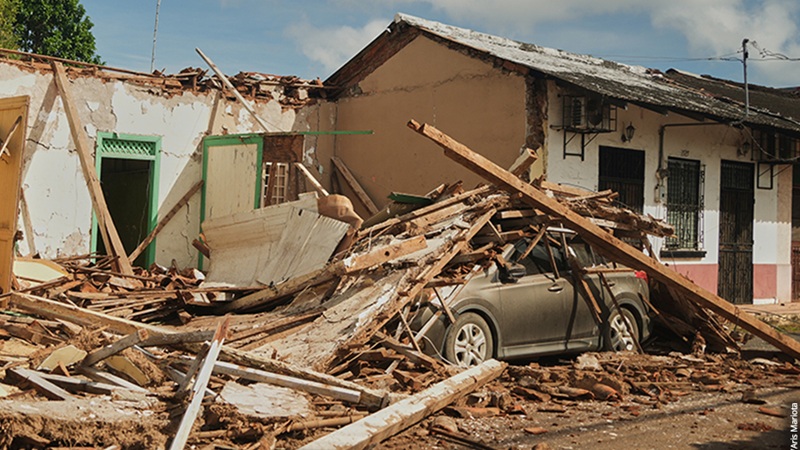
The earthquake triggered hundreds of aftershocks and damaging homes, schools, roads and bridges.
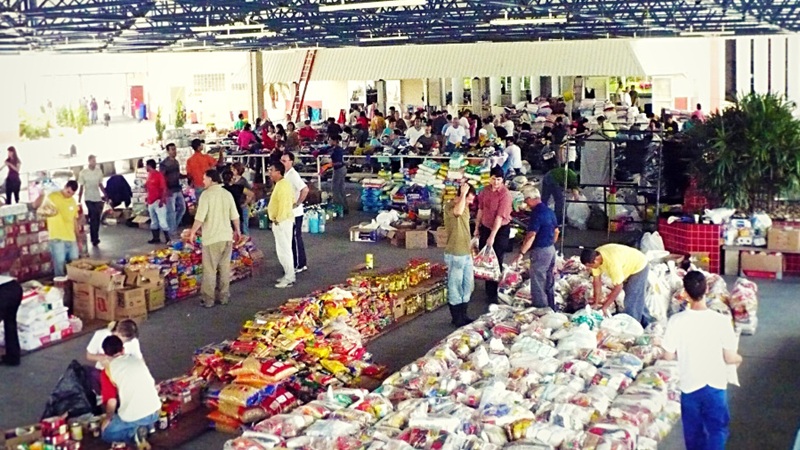
According to a news release published by Jehovah’s Witnesses on October 20, none of its members were killed or injured.
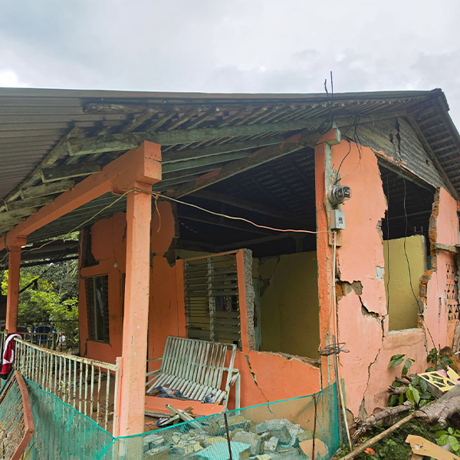
However, the disaster displaced 114 members, known within the organisation as publishers, and left dozens of homes destroyed or severely damaged.

The organisation has appointed a Disaster Relief Committee to coordinate assistance.
Meanwhile, circuit overseers and local congregation elders are providing practical help and spiritual support to affected members.
The response highlights the importance of organised community networks in reaching people whose homes and livelihoods have been disrupted by natural disasters.
114 Members Displaced as Homes and Kingdom Halls Sustain Damage in Panama
The Panama earthquake caused significant losses among Jehovah’s Witnesses in the affected region.
The organisation’s October 20 statement reported the following damage:
- 114 publishers displaced from their homes.
- Six homes destroyed.
- 29 homes sustained major damage.
- 60 homes sustained minor damage.
- 14 Kingdom Halls, the organisation’s places of worship, sustained minor damage.
No deaths or injuries were reported among the Witnesses.

Nonetheless, the loss of homes has created urgent needs for accommodation, essential supplies and practical assistance.
For families forced to leave damaged buildings, support from fellow congregation members can help address immediate needs while longer-term recovery arrangements are developed.
The organisation said its response includes both material assistance and spiritual encouragement.
it reflects its emphasis on supporting members during periods of distress.
Disaster Relief Committee Coordinates Assistance
Jehovah’s Witnesses have established a Disaster Relief Committee to coordinate the Panama relief operation.
Circuit overseers and local elders are helping affected members, assessing their circumstances and providing practical support alongside spiritual comfort.

The committee-based approach is intended to organise assistance and help direct available resources towards those affected by the earthquake.
Such networks can be especially important when roads and bridges are damaged, making access to remote communities difficult.
Local congregation members may also be familiar with affected households and their immediate circumstances, helping relief organisers identify needs and coordinate support.
Jehovah’s Witnesses have previously described their disaster-relief model as one in which local leaders check on congregation members, identify their needs and report them to the organisation’s branch office.
When local resources are insufficient, additional assistance can be organised through designated disaster-relief committees.
The organisation says donations and volunteer efforts support its relief activities, with unpaid volunteers carrying out much of the practical work.
Community Support Amid a National Emergency
The earthquake has affected communities far beyond the membership of Jehovah’s Witnesses.
Panama’s National Civil Protection System, known by its Spanish acronym SINAPROC, reported its assessments on October 21.
SINAPROC said it had covered 10,655 homes and recorded 35,065 people in its damage-and-needs assessment process.
The agency reported damage to 619 educational institutions and 120 health facilities, alongside 27 injuries and one death.
It also reported that 5,628 people were staying in 126 shelters as of its latest assessment.
These figures are preliminary and may change as assessments continue.
Panama Government Responds
The Panamanian government declared a state of emergency on October 10 to facilitate assistance for affected families.
Authorities have been coordinating humanitarian deliveries, inspecting damaged infrastructure and working to restore access to isolated communities.
The Pan American Health Organization has also been coordinating with Panama’s Ministry of Health to support the health-sector response.
Against this wider emergency, the relief operation organised by Jehovah’s Witnesses illustrates how religious communities and voluntary associations can provide additional support to people affected by disasters.
Granted, the organisation’s published statement focuses on its own members.
Meanwhile, its experience also demonstrates the value of established community networks in identifying needs and coordinating assistance.
There is no verified evidence in the cited reports establishing that Jehovah’s Witnesses acted before government responders or that official assistance was absent.
The available information instead documents parallel efforts by the religious organisation, national authorities and humanitarian partners.
Why Organised Community Relief Matters
Natural disasters frequently create needs that extend beyond emergency rescue.
Displaced families may require temporary accommodation, food, transport, repairs and continuing emotional support.
Government agencies have responsibilities and resources for large-scale emergency management.
However, local communities, faith-based organisations and voluntary groups can also play important complementary roles.
Their contribution can include checking on vulnerable people and communicating with affected households.
It can also include arranging practical help and offering ongoing support as families begin rebuilding their lives.
For Jehovah’s Witnesses in Panama, the immediate priority is assisting the 114 displaced members and addressing the damage to homes and places of worship.
The organisation has framed its response around both practical assistance and spiritual comfort, drawing on its religious commitment to support fellow believers during times of distress.
Relief Efforts Continue in Panama
As assessments of earthquake damage continue across Panama, Jehovah’s Witnesses say their Disaster Relief Committee will coordinate assistance for affected members.
The full cost of rebuilding damaged homes and the timetable for returning displaced families to their residences have not been disclosed in the organisation’s announcement.
The immediate challenge is to ensure that affected households receive the help they need while longer-term recovery progresses.
The earthquake has tested families, communities and public services across southern Panama.
The response by Jehovah’s Witnesses provides an example of how organised voluntary support can help people cope with the immediate consequences of a disaster.