TDHuman rights lawyer and public commentator, Professor Chidi Anselm Odinkalu, has insisted that his allegations that an official of Anambra State Government is engaged in romantic affair with the wife of Chukwudozie Nwangwu, popularly known as Akwa Okuko Tiwara Aki, who is currently serving a prison term, stands.
Professor Odinkalu intensified his criticism of the Anambra State Government amidst several claims.
He insisted that his allegations against a cabinet adviser remain “unimpeached”, describing the government’s response as an “amateur coverup” destined to fail.
Odinkalu disclosed that on April 29 and May 1, he received WhatsApp messages from a number he had never previously interacted with.
The number purportedly belongs to Tobechukwu Nweke, SAN, the Attorney General of Anambra State.
What Did Nweke Want from Odinkalu?
In the messages, Nweke requested that Odinkalu provide the names and contacts of his sources and identify the adviser implicated in his claims.

He also requested of Odinkalu to agree to meet with an investigative committee either physically or virtually.
Odinkalu rejected the approach outright.
He questioned the credibility of an investigation conducted through WhatsApp rather than via official correspondence.
“It seemed incongruous that an investigation should be run by WhatsApp.
“Surely, an Attorney-General claiming to be a SAN ought to know how to write a letter,” he remarked.
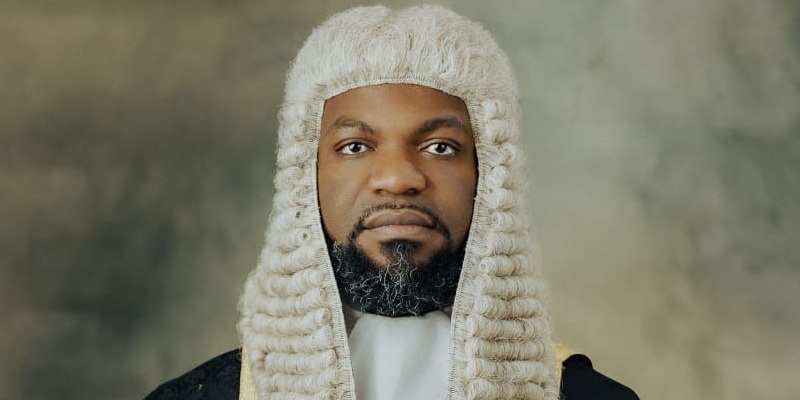
Odinkalu Condemns Anambra State Government’s Approach
The human rights lawyer stressed that he declined to dignify the request.

The Anambra State Government subsequently named Ken Emeakayi as the adviser under scrutiny.
Odinkalu condemned the move, recalling Emeakayi’s controversial past.
This includes allegations of involvement in the murder of a former chairman of the Nigerian Bar Association (NBA) in Onitsha and his wife nearly 25 years ago.
Odinkalu further criticized the government’s rebuttal, which described his allegations as “false and misleading.”
He argued that the phrasing betrayed a lack of logical consistency, noting that allegations cannot simultaneously be false and misleading.
“This vain and valiant attempt at a coverup is all the proof there is as to the credibility of the claims I made.

“I stand by everything I have said,” Odinkalu declared.
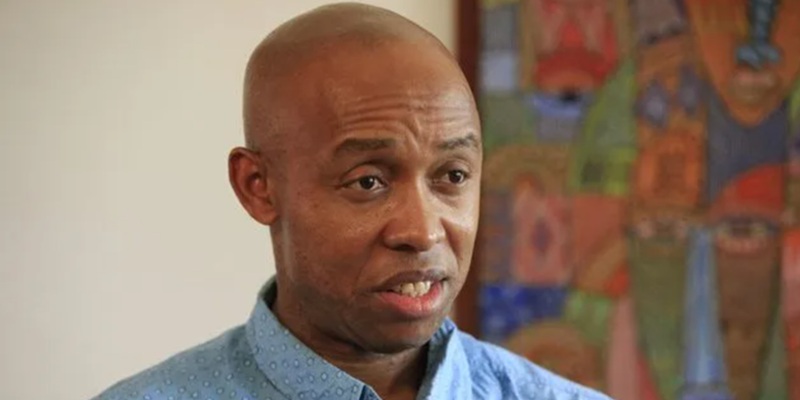
Public Reaction
The dispute has ignited wider debate about transparency, accountability, and the credibility of governance in Anambra State.
Critics contend that the government’s handling of the matter risks eroding public trust, especially given the sensitivity of the allegations and the reputational baggage surrounding the named adviser.
Supporters of the administration, however, argue that Odinkalu’s claims should be subjected to due process.
They also insist that the government has a duty to protect its officials from unverified accusations.
This controversy comes at a time when Nigerian citizens are increasingly demanding higher standards of integrity from public office holders.
The episode underscores the tension between whistleblowing and official accountability.
It raises questions about how governments respond to allegations of misconduct within their ranks.
Observers across the political and legal landscape are now watching closely.
They want to see whether the Anambra State Government will pursue a transparent and credible investigation or continue to dismiss the allegations.
The outcome may prove pivotal not only for the state’s reputation but also for broader conversations about governance, justice, and public trust in Nigeria’s democratic institutions.