


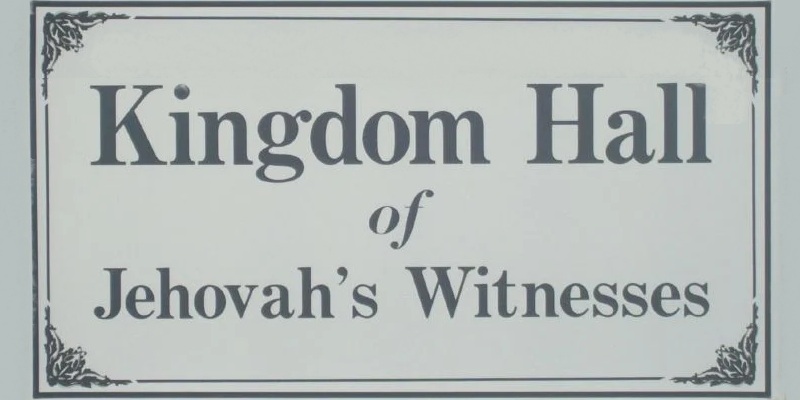

TDJehovah’s Witnesses have secured two landmark legal victories in Europe and North America, reinforcing protections for religious freedom and expression in democratic societies.
Norwegian Supreme Court Ruling
On April 30, 2026, the Supreme Court of Norway delivered a historic judgment in favor of Jehovah’s Witnesses, ruling that the government violated their religious freedom when it deregistered their national legal entity in December 2022.
The Court also found that the denial of state grants to the group was unlawful.
This ruling, which is final and cannot be appealed, overturns earlier decisions by the Oslo District Court in 2024 and confirms the unanimous ruling of the Borgarting Court of Appeal in 2025.
The case centered on whether the Witnesses’ Bible-based practices—particularly their disciplinary measures involving unrepentant wrongdoers—were compatible with Norwegian law.
The Supreme Court concluded that these practices fully comply with both Norwegian and international legal standards.

Jørgen Pedersen, a member of the Scandinavia Branch Committee, welcomed the ruling. He said:
“After more than three years of deliberations, we welcome the Supreme Court’s judgment.
“The decision protects several fundamental human rights for all people in Norway, including freedom of religion and personal autonomy.
“It also highlights that Jehovah’s Witnesses living in Norway are indeed law-abiding citizens who love and care about others.”
The victory restores access to state grants available to over 700 registered religious communities in Norway and reaffirms the Witnesses’ legal standing as a recognized religious body.
Canadian Superior Court Decision
In Canada, the Superior Court of Quebec on February 26, 2026, upheld a lower court ruling that Bible-based educational videos shown at Jehovah’s Witnesses’ meetings and conventions are not subject to Quebec’s Cinema Act.
The dispute began in 2019 when inspectors fined the group for showing a Bible drama without age classification.
Courts later determined that the Cinema Act’s purpose is to regulate entertainment content, not religious education.
Judge Suzanne Bousquet noted that failing to exempt Jehovah’s Witnesses infringed on their freedom of religion, expression, and liberty.

The Superior Court dismissed the government’s appeal, bringing to a close a nearly seven-year legal battle.
The ruling ensures that Jehovah’s Witnesses can continue presenting Bible dramas and educational videos at their conventions without interference from state regulators.
Global Significance
Together, these rulings highlight the growing recognition of Jehovah’s Witnesses’ rights to practice their faith without undue government interference.
With over 12,000 members in Norway and hundreds of thousands across Canada, the decisions are seen as affirmations of religious liberty in democratic societies.
Jehovah’s Witnesses expressed gratitude for the outcomes, stating that both rulings strengthen their ability to continue their Bible-based educational work and uphold their faith practices.
These victories also underscore the broader principle that religious communities must be free to govern their internal affairs and educational activities in line with constitutional protections, setting precedents that may influence similar cases worldwide.