



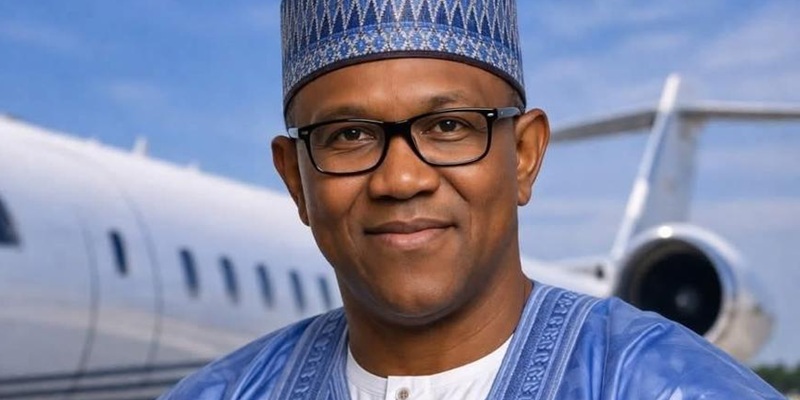

TDA recent post by political commentator and former Anambra State Government Secretary, Mr. Oseloka H. Obaze has sparked conversations across northern Nigeria centered on former presidential candidate, Mr. Peter Obi.
The conversations highlight how grassroots narratives are shaping political discourse, especially in northern Nigeria.
Obaze noted that in Katsina, Sokoto, and Zamfara, ordinary citizens are retelling the story of “wanda ya bari kudi” — translated as “the one politician who left money behind.”
According to him, this phrase has become symbolic of the Peoples Opportunity (PO) movement, a reference widely associated with the opposition figure, Peter Obi.
Public Reactions
The post quickly drew responses from supporters and critics alike.
Some hailed the narrative as evidence of integrity and transparency in governance, linking it to Obi’s political style.

Others dismissed the sentiment, arguing that such grassroots stories are exaggerated or politically motivated.
A few commentators suggested that the phrase reflects a growing demand for accountability and fairness in Nigeria’s political culture.
The “wanda ya bari kudi” story underscores how local folklore and lived experiences are being woven into national political messaging.
In regions often plagued by insecurity and poverty, such narratives resonate strongly with communities seeking leaders who embody honesty and service.
Broader Implications and Why It Matters
- Grassroots Influence: Political movements are increasingly shaped by stories retold at the community level.
- Cultural Messaging: Phrases like “wanda ya bari kudi” serve as powerful cultural shorthand for integrity.
- 2027 Elections: With campaigns already taking shape, such narratives may play a role in mobilizing support across diverse regions.
The bottom Line in Obaze’s post highlights how northern communities are embracing the “wanda ya bari kudi” story as a symbol of political integrity, tying it to the Peoples Opportunity (PO) movement.
Whether embraced or contested, the phrase reflects the growing importance of grassroots narratives in Nigeria’s evolving political landscape.