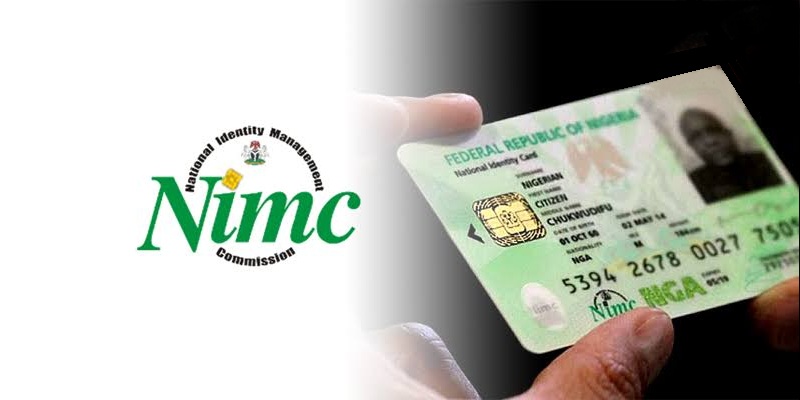
TDThe African Democratic Congress (ADC) is facing mounting criticism after widespread complaints involving the National Identity Management Commission (NIMC) emerged from Nigerians attempting to register online for party membership.

Reports indicate that the National Identification Number (NIN) verification process — a mandatory step in the registration portal — has repeatedly failed.
The failures left many citizens unable to complete their enrollment as members of the party.
The issue has flooded direct messages (DMs) of political commentators and activists on social media.
It has sparked a heated debate about whether the ADC or NIMC should be held accountable for what some are calling a form of digital disenfranchisement.
The NIMC Complaints
According to multiple accounts shared online, Nigerians who tried to register for ADC membership were consistently blocked at the NIN verification stage.
The portal reportedly rejected valid NINs, preventing applicants from proceeding.
One viral post captured the frustration:
“Intentionally or unintentionally, Nigerians are being denied their opportunity to register for the ADC party online.
“Their NIN verification kept failing, thereby denying them that opportunity.”
This has raised concerns about whether the problem stems from technical glitches within ADC’s registration system or systemic failures in NIMC’s database integration.
Who Bears Responsibility — NIMC or ADC?
The central question remains: who is responsible for this disenfranchisement — NIMC or ADC?
- ADC’s Role: As the party offering online registration, ADC bears responsibility for ensuring its platform is functional, secure, and accessible.
Critics argue that if the portal cannot properly interface with NIMC’s database, then ADC should have anticipated and resolved such issues before rollout.
- NIMC’s Role: On the other hand, NIMC manages Nigeria’s national identity infrastructure.
If its verification services are unstable or inaccessible, then the failure lies with the commission.
Past reports have highlighted frequent downtime, slow responses, and technical bottlenecks in NIMC’s systems.
Political analysts suggest that the truth may lie in a combination of both factors — inadequate technical preparedness by ADC and persistent inefficiencies within NIMC.

Public Reaction
The situation has triggered strong reactions across social media:
- Frustration: Many Nigerians see the failure as yet another example of how bureaucratic inefficiencies prevent citizens from exercising their rights.
- Suspicion: Some allege that the glitches may not be accidental, raising fears of deliberate exclusion of potential members.
- Calls for Transparency: Civil society groups are urging both ADC and NIMC to issue clear explanations and timelines for resolving the problem.
Broader Implications
The controversy comes at a critical time, as political parties intensify preparations for the 2027 general elections.
Online registration is seen as a vital tool for expanding membership, especially among young Nigerians who are digitally savvy and eager to participate in politics.
If unresolved, the failure could:
- Undermine ADC’s credibility as a party positioning itself as a reformist alternative.
- Erode trust in NIMC’s systems, which are central to voter registration, banking, and other national services.
- Discourage political participation, particularly among first-time voters who may feel excluded from the process.
Expert Views on NIMC
Political scientist Dr. Chika Okafor noted: “This is not just a technical glitch. It is a governance issue.
“When citizens are denied access to register with a political party, it raises questions about inclusivity, transparency, and accountability.”
Technology consultant Adewale Ogunleye added: “The integration between party platforms and NIMC’s database must be seamless.
“If either side fails, the citizen suffers. Both ADC and NIMC must urgently collaborate to fix this.”
The Way Forward
Observers recommend immediate steps:
- Joint Investigation: ADC and NIMC should set up a joint technical committee to identify the root cause.
- Public Communication: Both institutions must issue clear statements to reassure Nigerians.
- Alternative Channels: ADC should provide offline registration options until the online system is fully functional.
- System Upgrade: NIMC must address recurring technical failures to restore public confidence.
The ongoing registration crisis highlights the fragility of Nigeria’s digital infrastructure and the urgent need for accountability.
Whether the fault lies with ADC’s portal or NIMC’s verification system, the outcome is the same: Nigerians are being denied their right to participate in the political process.
As the nation edges closer to 2027, resolving these issues will be critical not only for ADC’s credibility but also for the broader democratic process.