
TD Minna, Niger State — In a dramatic restructuring of traditional leadership, Niger State Governor Mohammed Umaru Bago has announced the removal of all Fulani district heads, known as Ardos, replacing them with indigenous Nupe chiefs.

The decision, made public during a fiery address in Hausa language around July 17–18, is aimed at tackling insecurity, kidnapping, and farmer-herder conflicts that have plagued the north-central state.
Governor’s Rationale
Governor Bago said the move was necessary to curb rising cases of kidnapping and violence, which he linked to elements within Fulani herder communities.
He accused some Ardos of shielding criminals, engaging in land grabbing, destroying farmland, and inviting Fulani from outside Nigeria to sustain conflicts with indigenous populations.
“Victims of abduction often identify Fulani perpetrators upon release.
“We cannot continue to allow traditional leaders to shield criminals.
“This is why we have taken the decision to restructure leadership and restore order,” Bago declared in the widely circulated video.
He further warned Fulani leaders against harboring bandits in forests and bush areas.
He insisted that the state would no longer tolerate external recruitment into local conflicts.
Ending Centuries of Domination
The governor’s action effectively ends what he described as “centuries of Fulani domination” over indigenous communities in Niger State.
By installing Nupe chiefs, Bago said he was restoring balance and protecting the rights of indigenous farmers who have long complained of marginalization and insecurity.
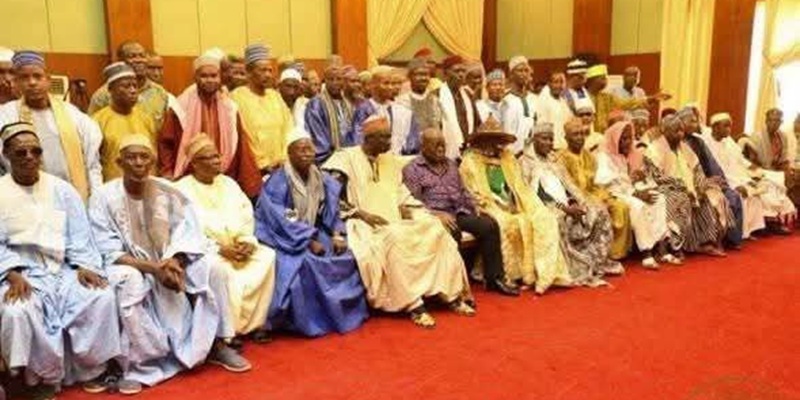
The announcement was accompanied by images of a large assembly of traditional rulers, believed to depict the newly restructured indigenous leadership council.
Public Reaction
The decision has sparked intense debate across Nigeria.
Supporters online hailed the move as bold and necessary to address long-standing ethnic and security tensions in the Middle Belt.
Advocacy groups for minority and indigenous rights described it as a landmark step toward protecting vulnerable communities.
However, critics warn that the sweeping removal of Fulani leaders could inflame ethnic divisions and risk further instability if not carefully managed.
Some argue that dialogue and inclusive reforms may be more sustainable than outright displacement of traditional structures.
Broader Context
Niger State, one of Nigeria’s largest and predominantly Islamic states, has been a hotspot for farmer-herder clashes, banditry, and terrorism.
Fulani herder communities have often been linked to violent conflicts with indigenous Nupe and Gwari farming populations.
Governor Bago’s move comes amid Nigeria’s broader struggle to contain insecurity in the Middle Belt.
Ethnic tensions and resource competition have fueled violence for decades in the region.
Governor Mohammed Umaru Bago’s removal of Fulani district heads marks a watershed moment in Niger State’s governance and traditional leadership.
Many see it as a decisive step to curb kidnapping and restore indigenous rights.
However, others caution that the policy could deepen ethnic fault lines if not accompanied by reconciliation efforts.
The development underscores the delicate balance between security, tradition, and ethnic relations in Nigeria’s Middle Belt.
It will, no doubt, be closely watched as the state navigates its next chapter.