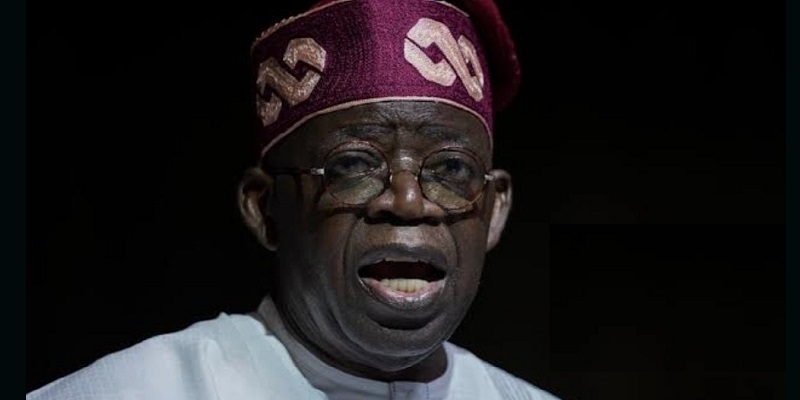
TD Brussels, Belgium — Long-running controversies surrounding President Bola Ahmed Tinubu’s academic credentials and a 1993 United States civil asset-forfeiture case involving $460,000 allegedly linked to narcotics proceeds have returned to the political spotlight.
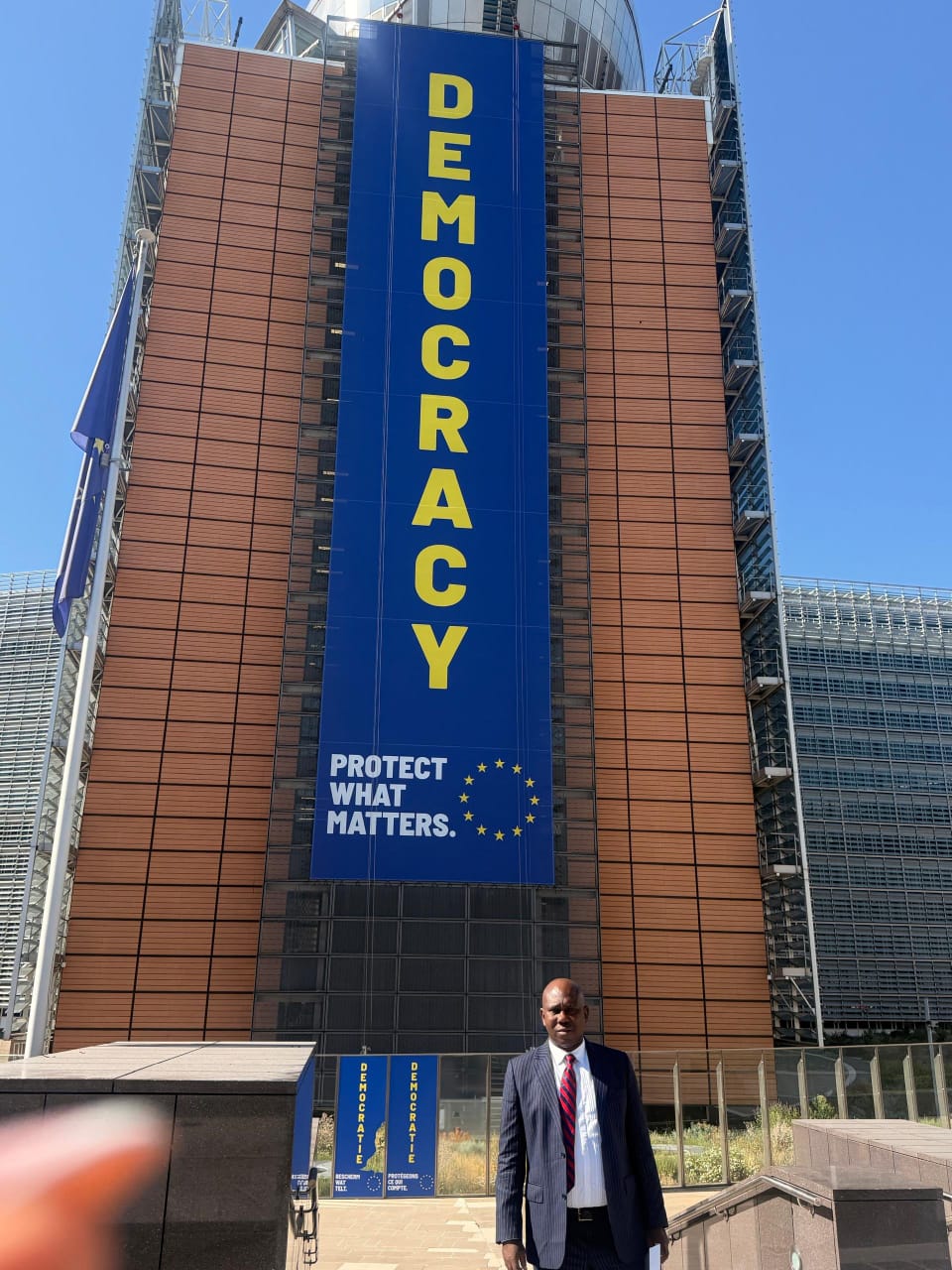
Barrister Kalu Kalu, a lawyer and chieftain of the African Democratic Congress (ADC), on Friday, submitted a petition to the European Commission in Brussels, Belgium.
Kalu alleged that issues surrounding Tinubu’s eligibility for political office raise broader questions about Nigeria’s constitutional order.
Kalu said his petition centres on what he described as alleged irregularities and forgery claims involving documents and certificates submitted by Tinubu to the Independent National Electoral Commission (INEC).
According to him, the concerns include discrepancies previously raised regarding records associated with Chicago State University (CSU), as well as what he described as incomplete information concerning Tinubu’s primary and secondary education.
Kalu specifically cited Section 137(1)(j) of the 1999 Constitution, arguing that a person who has presented a forged certificate to INEC may be disqualified from contesting a presidential election.

“I am here at the European Commission to submit a petition to the European Union concerning the subversion of constitutional order in Nigeria,” Kalu said during an interview after submitting the petition.
He alleged that Tinubu had submitted “false documents” to INEC and argued that the issue could affect his eligibility to contest the 2027 presidential election.
Kalu further accused the administration of undermining Nigeria’s constitutional democracy, describing the alleged situation as a “mini-coup” against Nigerians.
“I’m here to submit a petition to the EU to help restore constitutional democracy in Nigeria,” he said.
The 1993 U.S. Forfeiture Case
A central element of the controversy cited by Kalu is a 1993 civil forfeiture proceeding in the United States involving approximately $460,000 held in accounts associated with Tinubu.
The case was brought in the U.S. District Court for the Northern District of Illinois and concerned the forfeiture of funds that U.S. authorities alleged were connected to narcotics trafficking or money laundering.

However, the legal distinction is important: the proceeding was a civil action against the money, rather than a criminal conviction or indictment of Tinubu personally.
Tinubu has consistently denied wrongdoing in connection with the allegations.
The forfeiture case itself did not establish that he was criminally convicted of narcotics trafficking.
The controversy has nevertheless remained a recurring issue in Nigerian political discourse, particularly during election periods.
Academic Credentials Remain Contested
Questions concerning Tinubu’s educational history also featured prominently in litigation surrounding the 2023 presidential election.
Chicago State University has confirmed that Tinubu attended the institution and graduated in 1979.

However, disputes have persisted over particular documents, diploma appearances, school records and other aspects of his educational history.
The issues were raised during the 2023 presidential election litigation, but Nigerian courts ultimately dismissed the election petitions challenging Tinubu’s victory.
Kalu’s latest petition seeks to revive international attention on the issues, particularly in relation to constitutional eligibility and the credibility of Nigeria’s electoral process ahead of the 2027 general election.
He argued that unresolved questions concerning the president’s qualifications could undermine public confidence in Nigeria’s constitutional democracy.
The petition does not, by itself, constitute a judicial finding that Tinubu submitted forged certificates or that he is criminally responsible for the funds involved in the U.S. forfeiture case.
Those allegations remain matters of legal and political dispute.
The European Commission’s response to the petition, if any, could determine whether the issues receive further consideration at the European level.