




 The Federal Government faces renewed pressure from the organised labour congress as negotiations over petrol prices, wages and workers’ welfare reach a critical stage.
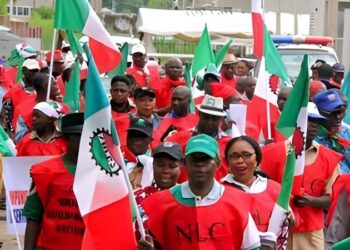
The Nigeria Labour Congress (NLC) has given the government until Tuesday, October 27, to demonstrate meaningful progress on outstanding demands.
The development follows an earlier meeting that ended without concrete commitments, raising concerns about possible nationwide industrial action.
According to The PUNCH, labour representatives expect the government to present practical proposals during the rescheduled discussions. The outcome could influence the unions’ next steps.
Labour Congress Demands Concrete Proposals
The NLC expects the government to address demands already presented during previous negotiations.
The union has expressed dissatisfaction with delays in resolving issues affecting workers and the wider population.

NLC Assistant Secretary-General Chris Onyeka said labour expected concrete answers rather than another round of discussions without clear commitments.
The government requested additional time to prepare for the meeting.
The postponement was intended to allow relevant ministers and government officials to participate.
Labour leaders hope the meeting will produce decisions addressing the outstanding issues.
However, the unions have warned that continued delays could force them to consider further action.
The NLC previously directed its affiliates and state councils to prepare for possible nationwide industrial action if negotiations failed to make meaningful progress.

Petrol Prices Remain a Major Concern
Reducing petrol prices is one of labour’s principal demands.
The NLC wants petrol prices reduced to levels prevailing when the current national minimum wage was signed into law in 2024.
The union argues that high fuel costs have increased transportation expenses and contributed to rising living costs.
Higher transport costs can also affect the prices of food and other essential commodities.
These increases place additional pressure on workers whose incomes have struggled to keep pace with everyday expenses.
The NLC believes addressing petrol prices should form part of a broader response to Nigeria’s cost-of-living challenges.

However, any reduction would require concrete government proposals and a clear approach to implementation.
Labour has maintained that workers need practical relief rather than prolonged discussions without measurable results.
Minimum Wage Negotiations Add to the Dispute
The timing of negotiations for a new national minimum wage is another major disagreement.
Nigeria’s current statutory minimum wage is ₦70,000 monthly, following legislation signed by President Bola Tinubu in July 2024.
The NLC wants preparations for another wage review to begin immediately.
It argues that starting negotiations early would provide sufficient time for discussions among government representatives, employers and organised labour.
The union is also seeking the establishment of a National Minimum Wage Tripartite Committee.
Such a committee would bring together the government, labour representatives and employers to discuss the next wage review.
The Federal Government, however, maintains that the current minimum wage is due for review in June 2027.
In its position, the government has cited the three-year review cycle under the applicable minimum wage legislation.
Labour disagrees with delaying preparations and argues that workers’ purchasing power has weakened significantly.
The disagreement reflects broader concerns about whether current earnings adequately cover food, housing, transportation, healthcare and education.
The outcome of the negotiations could determine whether both sides agree on a timetable for addressing the wage issue.
Labour Congress Seeks Tax Relief and Outstanding Payments
Beyond petrol prices and minimum wage negotiations, the Nigerian Labour Congress has presented additional demands.
These include implementing agreed tax relief measures intended to ease the financial pressure on workers.
The union is also seeking the resolution of outstanding agreements affecting public-sector employees.
Issues involving health workers remain part of the demands presented during the negotiations.
The NLC wants the government to implement the February 5, 2026, terms of settlement involving the Joint Health Sector Unions and the Assembly of Healthcare Professionals.
It has also called for action on issues raised by the Joint Public Service Negotiating Council.
These concerns include peculiar allowances, wage awards and hazard allowances.
Labour considers the outstanding matters important to workers’ welfare and the implementation of previous agreements.
Resolving them could help reduce tensions between the government and affected employee groups.
However, the parties must still agree on concrete steps and timelines for addressing the outstanding issues.
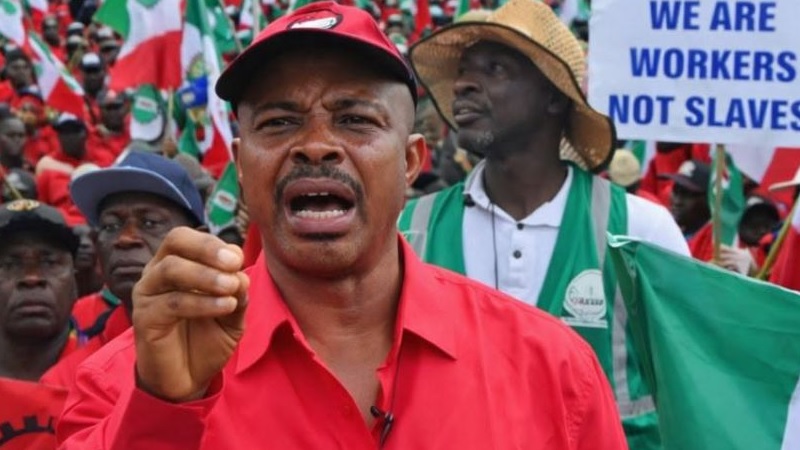
Earlier Meeting Ended Without Agreement
The latest negotiations follow a meeting held at the Federal Ministry of Labour and Employment in Abuja on October 22.
The meeting ended without an agreement on the demands presented by the NLC.
The union’s acting general secretary, Benson Upah, said the government delegation lacked the necessary mandate to negotiate substantively.
Labour reported that no concrete commitments were secured during the discussions.
The government subsequently requested an adjournment until October 27 to allow adequate preparations.
The NLC extended its deadline and warned that it would consider its next steps if the rescheduled meeting produced no meaningful progress.
It also urged its affiliates, state councils and civil society allies to remain alert.
The union called on workers and members of the public to remain calm while negotiations continued.
Clarification Over TUC Participation
The Trade Union Congress of Nigeria (TUC) has also appeared in reports concerning organised labour’s demands.
However, the NLC issued a clarification on October 23 regarding participation in the previous meeting.
According to The PUNCH, the NLC said the TUC itself did not participate in the October 22 dialogue with the Federal Government.
The NLC explained that representatives associated with specific labour bodies attended, but their presence did not mean the TUC participated as an organisation.
This distinction is important when reporting the negotiations and attributing statements to the respective labour centres.
The immediate focus remains the government’s response to the NLC’s outstanding demands and the possibility of further industrial action.
Nationwide Action Remains a Possibility
The threat of industrial action has increased pressure on the government to address the dispute.
The NLC has said its relevant organs will determine the next course of action after assessing progress.
A nationwide strike has not been confirmed in the reports available ahead of Tuesday’s scheduled discussions.
Therefore, workers and members of the public should distinguish between preparations for possible action and an officially announced strike.
The outcome of the meeting is expected to provide a clearer indication of whether negotiations can continue or tensions will escalate.
A successful agreement could help prevent further confrontation and establish a framework for resolving the outstanding demands.
Failure to achieve meaningful progress could prompt labour leaders to consider additional measures.
For workers, the central concerns remain petrol prices, wages, tax relief and the implementation of outstanding welfare agreements.
What Happens Next?
The Federal Government and the Nigerian Labour Congress face an important opportunity to narrow their differences through dialogue.
Labour wants concrete proposals addressing the demands already submitted, while the government has been given additional time to prepare.
The key question is whether the rescheduled meeting will produce commitments that organised labour considers sufficient.
As of publication, the outcome of Tuesday’s meeting has not been confirmed in the reports cited above.
ThisDawn News will continue monitoring developments and report any confirmed agreement, further negotiations or official decision on possible industrial action.
Nigerians should follow announcements from the government and relevant labour organisations for verified updates.