TDThe Federal Government under President Bola Ahmed Tinubu has advanced negotiations with the World Bank for a new $1.25 billion loan.
The proposed facility is designed to support reforms in investment, job creation, taxation, trade, agriculture, and electricity.
The loan request is contained in a World Bank document titled Nigeria Actions for Investment and Jobs Acceleration.
The loan, it was gathered, has already passed appraisal and negotiation stages.
Loan Details
- Amount: $1.25 billion (≈₦1.70 trillion at ₦1,361/ exchange rate).
- Approval Date: Expected June 26, 2026.
- Implementing Agency: Federal Ministry of Finance.
- Purpose: Expand access to finance, digital services, electricity, and strengthen competitiveness through reforms.
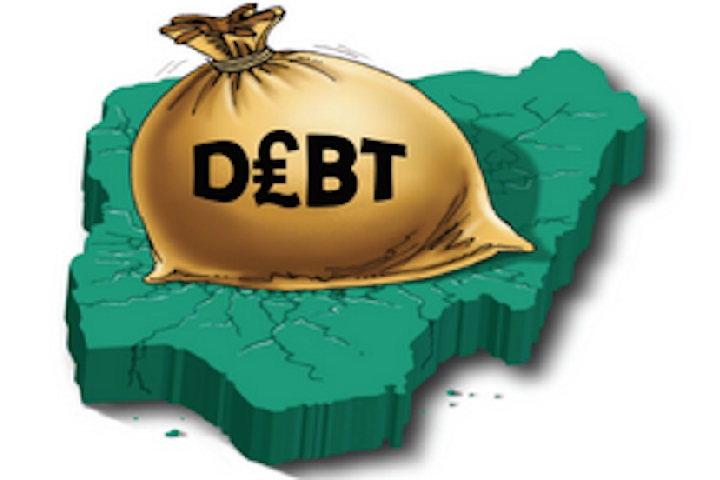
Debt Profile Impact
- Current External Debt (Dec 2025): $51.86 billion (₦74.43 trillion).
- Projected External Debt (Post-loan): $53.11 billion (₦76.13 trillion).
- Total Public Debt (Dec 2025): $110.97 billion (₦159.28 trillion).
- Projected Public Debt (Post-loan): $112.22 billion (₦160.98 trillion).
This would make the loan the second-largest single World Bank facility secured under Tinubu.
It comes only after the $1.5 billion RESET loan approved in June 2024.

Concerns Raised
- Timing: The loan is being pursued less than a year before the 2027 general elections, raising questions about political motivations.
- Debt Sustainability: Analysts warn that Nigeria’s increasing reliance on multilateral loans could worsen long-term debt sustainability.
- Economic Context: Inflation remains high, living costs are rising, and businesses are struggling, leading critics to question whether more borrowing is the right solution.
Government’s Position
The Tinubu administration argues that the loan is necessary to:
- Stabilize the economy.
- Drive investment and job creation.
- Support reforms in critical sectors.
Officials emphasize that the funds will be tied to reform commitments, similar to previous World Bank loans that required exchange rate unification, subsidy removal, and targeted cash transfers.
Nigeria’s request for a fresh $1.25 billion World Bank loan is real and at an advanced stage.
The government insists it will boost reforms and job creation.
Meanwhile, critics warn that the borrowing spree is deepening Nigeria’s debt crisis, with total public debt projected to exceed ₦160 trillion once approved.