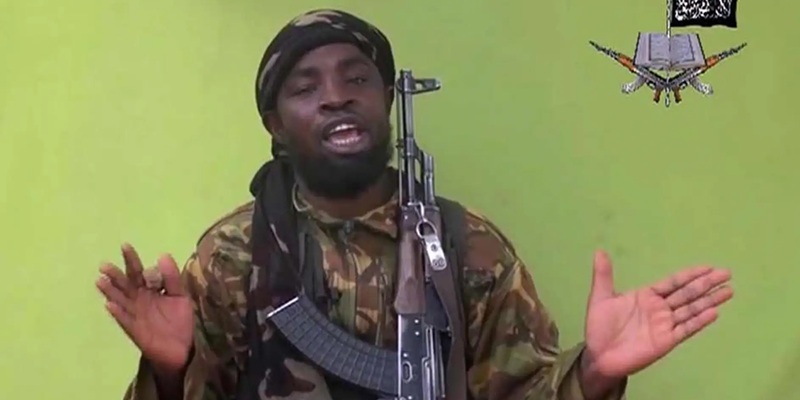

Kaduna, Nigeria — A groundbreaking study has revealed how Boko Haram, one of the world’s deadliest jihadist terrorist organizations, has integrated frontier artificial intelligence (AI) systems into its operations.
This was revealed in research on international security, terrorism and frontier AI conducted by researcher Antonia Juelich in collaboration with the Cambridge AI Science Policy Initiative.
The study is based on 57 in-person interviews with 27 former Boko Haram members between 2025 and 2026.
The findings, covered by The New York Times, paint a disturbing picture of how AI tools such as ChatGPT, Claude, Gemini, Grok, Meta AI, and DeepSeek are being exploited by Boko Haram and its faction, the Islamic State West Africa Province (ISWAP).
AI in Boko Haram Terrorist Operations
According to testimonies, Boko Haram uses AI at every stage of its operations:
- Planning attacks and coordinating logistics.
- Designing and troubleshooting explosive devices.
- Improving operational security through encryption and counter-surveillance.
- Training recruits by projecting AI interfaces on large screens during group sessions.
One former commander admitted: “Before, the bomb explosion was not that big, but then they studied it.
“AI told us what chemicals to put in that made the explosion heavier.”
Another explained the appeal: “Trial-and-error can kill you. AI gives you accuracy.”

Safeguards and Exploitation
Despite built-in safeguards, Boko Haram operatives reportedly bypass restrictions with ease.
They create multiple accounts across providers, and trained members learn to “jailbreak” systems by disguising queries as harmless requests.
“They say they need it for a movie,” one interviewee revealed, describing how operatives trick AI systems into providing sensitive information.
Boko Haram’s Transnational Training
Since 2023, ISIS-linked operatives have trained Boko Haram commanders in person, teaching them advanced prompting techniques.
Both Boko Haram and ISWAP have since established dedicated AI units, where “top people” are assembled to learn collectively.
This diffusion of AI knowledge across jihadist networks raises fears of escalation.
While current use remains conventional, experts warn that terrorists could eventually seek AI assistance for chemical or biological weapons.
Timeline of Boko Haram Activities in Nigeria
- 2002: Boko Haram founded in Maiduguri, Borno State, by Mohammed Yusuf.
- 2009: Nigerian security forces kill Yusuf; group radicalizes under Abubakar Shekau.
- 2010–2011: Boko Haram begins large-scale attacks on police stations, churches, and government buildings.
- 2014: Group kidnaps 276 schoolgirls from Chibok, sparking global outrage.
- 2015: Boko Haram pledges allegiance to ISIS, forming ISWAP.
- 2016–2019: Nigerian military intensifies operations; Shekau’s faction weakened but ISWAP grows stronger.
- 2020–2022: ISWAP expands influence in Lake Chad Basin, targeting military bases and civilians.
- 2023: Reports emerge of Boko Haram experimenting with AI tools.
- 2025–2026: Study confirms systematic integration of frontier AI into operations, including training, weapons design, and logistics.
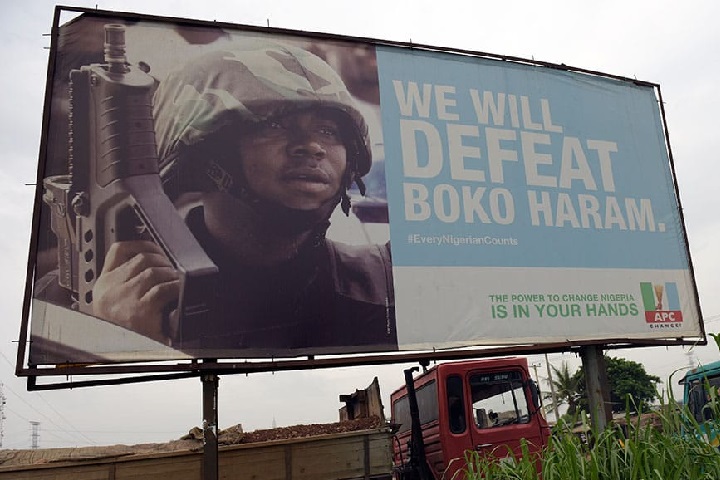
Implications for Security
The study underscores the urgent need for global cooperation to strengthen AI safeguards and prevent misuse.
While AI companies have implemented restrictions, Boko Haram’s ability to bypass them demonstrates the limitations of current defenses.
Experts point out the enthusiasm among Boko Haram members for AI—described by one commander as “God has helped us, and so will AI”.
The expert noted that it signals a dangerous future where terrorist groups may leverage advanced technologies to amplify their destructive capabilities.
Conclusion
Boko Haram’s adoption of frontier AI represents a new frontier in terrorism.
What began as a local insurgency in northeastern Nigeria has evolved into a technologically adaptive threat with transnational connections.
The revelations highlight the dual-use nature of AI: while it offers immense benefits to society, its misuse by violent extremist groups poses grave risks.
As AI continues to advance, policymakers, technology companies, and security agencies face an urgent challenge.
They must ensure that innovation does not become a weapon in the hands of terrorists.