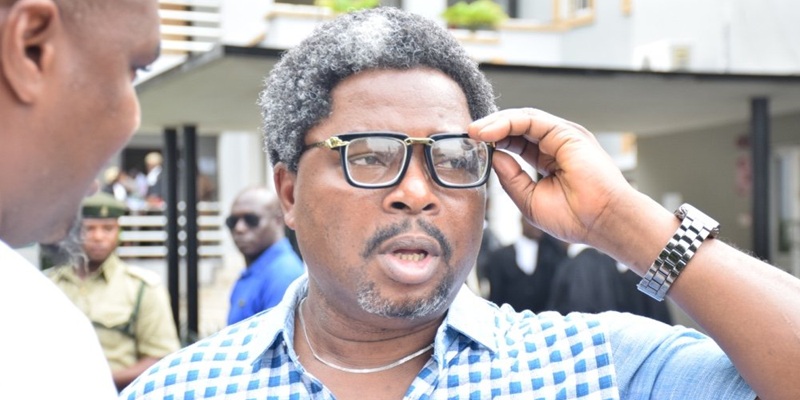
TDThe Nigeria Police Force has interrogated Lere Olayinka, media aide to Federal Capital Territory (FCT) Minister Nyesom Wike, over the controversial leak of voter data from the Independent National Electoral Commission (INEC) portal.

Investigators from the Force Intelligence Department – Intelligence Response Team (FID‑IRT) questioned Olayinka on Tuesday at the Police Headquarters in Abuja.
The probe follows public outrage after screenshots containing sensitive voter information appeared online, allegedly sourced from INEC’s restricted administrative backend.
Background to the Leak
The incident sparked widespread concern after Olayinka shared images showing Nollywood actor Emeka Ike’s voter registration details, including transfer records from Imo State to the FCT.
The screenshots revealed access to INEC’s internal portal, raising questions about how a political aide obtained credentials meant only for authorized electoral staff.
Digital rights advocates and opposition figures have since accused INEC of failing to safeguard its database, which contains records of more than 90 million Nigerians.
Calls for a forensic audit of the commission’s systems have intensified, with critics warning that unauthorized access could compromise the integrity of the 2027 elections.
Police Action
According to sources within the police, Olayinka was grilled for several hours as investigators sought to determine the chain of access and whether he colluded with INEC staff to obtain the restricted data.
In a parallel development, an INEC official has reportedly been detained in connection with the leak.
Authorities suspect insider involvement, given that the portal in question is not accessible to the public.
Public Reaction
The grilling of Olayinka has generated mixed reactions.
Supporters of the FCT minister’s aide argue that he merely exposed irregularities within INEC, while critics insist that his actions amount to a breach of data privacy and electoral law.
Veteran journalist Reuben Abati earlier demanded that the Department of State Services (DSS) probe Olayinka.
Abati warned that failure to explain his access would erode public trust in INEC.
Social media users echoed similar sentiments, with hashtags such as #INECLeak and #DataBreach trending across platforms.
Silence from INEC and Broader Implications
As of press time, INEC has not issued a formal statement addressing the incident.
The commission has faced mounting criticism for technical glitches on its voter verification portal, with many Nigerians reporting missing records and inaccessible contact numbers.
Analysts say the controversy underscores the fragility of Nigeria’s electoral infrastructure.
With the 2027 general elections approaching, the leak has heightened fears of voter disenfranchisement and manipulation.
Security experts warn that if unauthorized access to INEC’s backend is confirmed, it could allow tampering with voter records, undermining confidence in the electoral process.
The police investigation into Olayinka and the detention of an INEC official mark the first concrete steps toward accountability in the voter data leak scandal.
Nigerians now await clarity from INEC and law enforcement agencies on how the breach occurred and what measures will be taken to secure the electoral database.
For many, the incident is a litmus test of whether Nigeria’s institutions can safeguard democracy in the digital age.