TDThe Independent National Electoral Commission (INEC) has restored access to its Result Viewing (IREV) portal within 24 hours of a Freedom of Information (FOI) request filed by CivicHive, following more than a month of unexplained downtime.

CivicHive, a civic technology organization, expressed deep concern over the blackout, describing it as a serious breach of transparency and public trust.
In a letter dated April 13, 2026, and received by INEC the following day, CivicHive emphasized that the IREV portal is not merely a technological tool but a “public trust mechanism”.
It was designed to enhance electoral credibility and enable independent verification of results.
“Restoration without accountability is unacceptable. INEC must explain the month-long blackout.
“Their silence undermines transparency, weakens trust, and raises serious concerns about election data integrity,” CivicHive stated.
Leadership Under Scrutiny
The controversy has reignited debate over INEC’s leadership and institutional credibility.
Critics argue that the opacity surrounding INEC’s operations is symptomatic of deeper failings.
Calls have intensified for the resignation of INEC Chairman Prof. Joash Amupitan and several commissioners.
It was alleged that the commission has been compromised and can no longer guarantee free and fair elections.
Observers point to the Abuja council elections as evidence of systemic issues/.
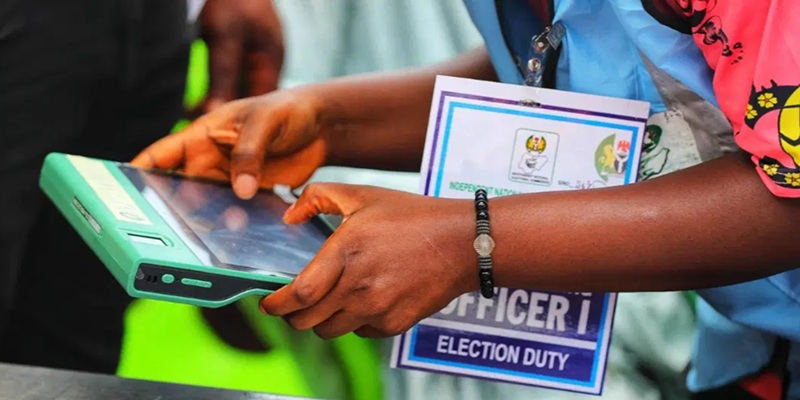
They noted that the IREV portal was intermittently locked, allowing uploads but preventing public viewing of results for hours.
This, they argue, mirrors the “glitches” that marred the 2023 general elections, raising fears that similar disruptions could recur in 2027.
Public Outcry and Civil Society Demands
Civil society groups, activists, and ordinary Nigerians have voiced frustration at what they describe as INEC’s pattern of silence and reactive measures.
Many insist that unexplained outages erode confidence in Nigeria’s electoral infrastructure.
They demand an independent inquiry into the so-called “glitch” that INEC attributed to technical failures in 2023.
“Nigerians deserve answers, not opacity. Once they receive a letter, they restore the portal and behave like nothing ever happened.
“That cannot be the standard for accountability,” one activist remarked.
The perception that INEC only responds when pressured by watchdogs or public complaints has fueled suspicion that the commission is deliberately manufacturing crises to mask deeper irregularities.
What’s Next for INEC?
CivicHive has urged INEC to:
- Provide a public explanation for the prolonged downtime.
- Institutionalize transparent communication protocols for system outages.
- Guarantee the resilience of electoral technology ahead of the 2027 general elections.
Analysts warn that unless INEC takes proactive steps to rebuild trust, the credibility of future elections could be severely undermined.
Nigeria’s democratic institutions are already under strain.
Hence, the IREV controversy has become a litmus test for whether INEC can reassure citizens of its integrity and preparedness.
The restoration of the IREV portal has not quelled public anger.
Instead, it has intensified demands for accountability, transparency, and leadership change within INEC.
As the 2027 elections approach, Nigerians are insisting that electoral technology must serve as a safeguard for democracy—not a source of suspicion.