



TDA startling contradiction has emerged in counterterrorism reporting, raising questions about credibility and transparency in both Nigerian and U.S. government announcements.
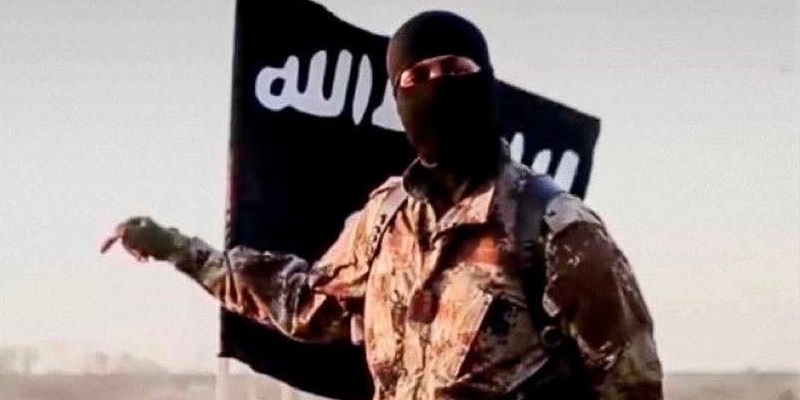
On May 4, 2024, the Nigerian military officially declared that it had killed Abu-Bilal al-Minuki, identified as the head of Is-Al Furqan Province (covering ISGS and ISWAP), along with eight other commanders. The Army published the names of those killed and stood firmly behind the announcement, presenting it as a major victory against insurgency in the Sahel and Lake Chad Basin.
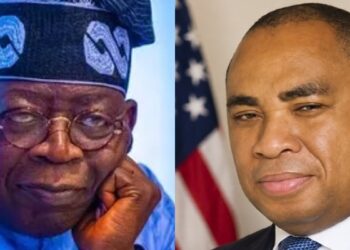
Yet, two years later, on May 15, 2026, Presidents Donald Trump and Bola Tinubu jointly announced that U.S. and Nigerian forces had killed the same man — Abu-Bilal al-Minuki — in what Trump described as a “meticulously planned and very complex mission.” Trump hailed him as ISIS’s global second-in-command and “the most active terrorist in the world.”
The contradiction is glaring: how can the same individual be killed twice, two years apart? Analysts argue that either the 2024 announcement was false, the 2026 claim is misleading, or both were political spin designed to project strength.
Washington Connection
The timing of the 2026 announcement has also raised eyebrows. Just days earlier, Nigeria’s National Security Adviser, Nuhu Ribadu, was in Washington meeting with Vice President J.D. Vance, Secretary of State Marco Rubio, Defense Secretary Pete Hegseth, and senior officials. Nine days later, Tinubu and Trump celebrated a joint counterterrorism “success” that appears to recycle a death already claimed in 2024.
Critics point to Ribadu’s controversial $9 million lobbying contract with DCI Group, aimed at polishing Nigeria’s image in Washington, as part of a broader effort to manage narratives. Meanwhile, questions linger about conflicts of interest, including reports that Trump’s Senior Advisor for Africa, Massad Boulos, has profited from multi-billion-dollar no-bid contracts awarded by Tinubu’s government.

The Bigger Picture
For survivors of terrorism in Nigeria, the contradiction is more than semantics. Over 185,000 people have died in insurgent violence over the past decade, with millions displaced and thousands of churches destroyed. Communities continue to suffer, even as governments issue conflicting announcements about the deaths of insurgent leaders.
The central question remains: Which announcement was a lie? Was al-Minuki truly killed in 2024, or was his death exaggerated then and repackaged now? Either way, the credibility gap underscores the need for transparency in counterterrorism reporting.
As one observer put it: “Something is rotten in Nigeria. And the stink is drifting through Washington.”