TD Marcos Rodríguez Pantoja, the Spanish man who became internationally known as the “wolf boy of Sierra Morena” after spending much of his childhood living in the wild with wolves, has died at the age of 80.

Rodríguez died last week in the hamlet of Rante, in San Cibrao das Viñas, where he had lived since 2001, according to the local government.
His extraordinary life began in poverty and tragedy in post-war Spain.
It eventually led to an existence in the remote Sierra Morena mountains where he survived for years with little or no human contact.
Sold to a goat herder as a child
Born in 1946 in Añora, southern Spain, Rodríguez experienced a difficult childhood.
After his mother died, his siblings went to live with relatives while he remained with his father.
According to accounts documented by Professor Gabriel Janer Manila, Rodríguez was abused by his stepmother.
He was eventually sold by his father to an elderly goat herder when he was about seven years old.
The goat herder took the boy into the mountains, where he taught him basic survival skills, including milking goats and hunting rabbits.
Rodríguez later recalled being terrified by the sounds of wolves, foxes and other animals during his first nights in the wilderness.
Over time, however, he adapted to his surroundings and learned what Manila described as the “law of the jungle.”
How wolves became his ‘family’
After the goat herder unexpectedly disappeared, Rodríguez was left to fend for himself.
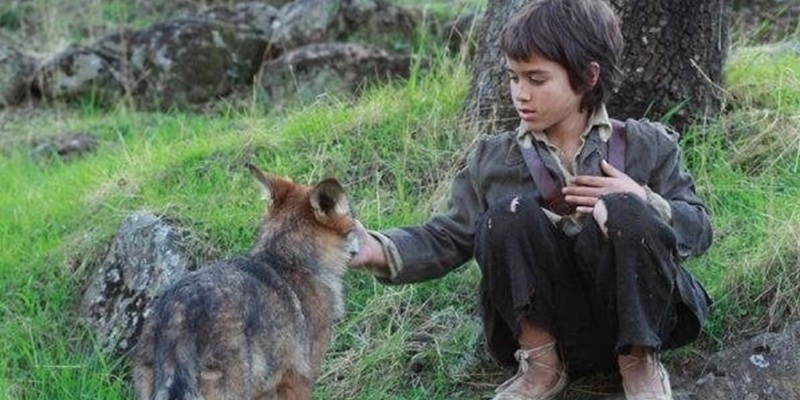
He eventually established a remarkable relationship with a pack of wolves.
According to his accounts, he gained their trust by bringing food to their cubs and communicating with them through sounds and howls.
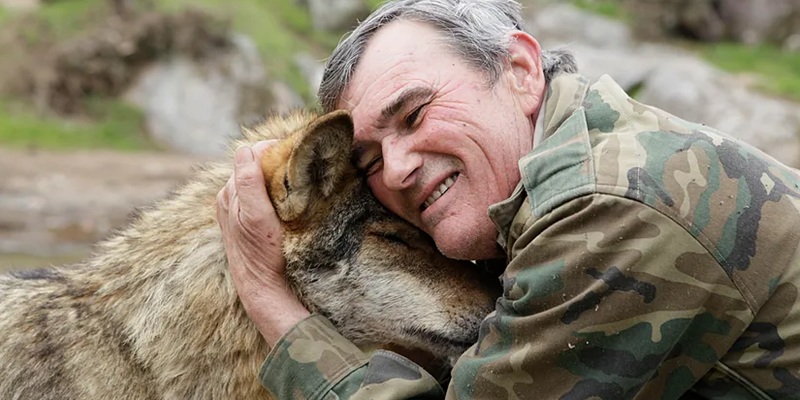
Rodríguez later said the wolves became like parents to him.
He learned to imitate animal sounds and developed an extraordinary knowledge of the surrounding environment.
He claimed he could communicate with wolves and other animals and relied on the natural world for food and protection.
For approximately 12 years, he lived largely outside human society.
Found by Spain’s Civil Guard at 19
Rodríguez’s wilderness existence ended in 1965 when Spain’s Civil Guard found him, aged 19, living among the ravines of Sierra Morena.
Returning to society proved extremely difficult.
He struggled with language, social customs and basic concepts of modern life, including money.
His unusual gait and behaviour also reflected the years he had spent away from civilization.
He subsequently lived with a priest in Jaén and with nuns in Madrid before completing military service.
Rodríguez later moved to Mallorca, where he worked in hotels and restaurants.
Anthropologist helped preserve his story
A chance meeting with Professor Gabriel Janer Manila proved significant in Rodríguez’s later life.
Manila spent months interviewing him as part of an academic study.
He became one of the first people to seriously document and accept his account of growing up in the mountains.
His research eventually became a book, “I Played with Wolves,” and Rodríguez’s extraordinary childhood later inspired the film “Among Wolves.”
Rodríguez himself continued telling his story, particularly in his later years, with the aim of encouraging greater appreciation and protection of nature.
‘He was happiest with the wolves’
People who knew Rodríguez in his final years described him as deeply connected to the natural environment.
Arturo Arcones, a friend, told Spanish public broadcaster RTVE that Rodríguez often said his happiest years were those spent with the wolves because he never felt completely comfortable among humans.
In Rante, Rodríguez eventually built a quieter life with the support of neighbours and a retired police officer with whom he shared a home.
A local resident later provided him with a house, while neighbours reportedly supported him during the final two years of his illness.
A life with wolves that became a symbol of survival
Paying tribute after his death, the local government of San Cibrao das Viñas said Rodríguez arrived in Rante carrying a story known around the world and left behind a story that had become part of the local community.
His death brings to an end the life of a man whose childhood was shaped by abandonment, poverty and isolation.
His experiences, however, later became a remarkable story of human adaptation and survival.
For Rodríguez, the wolves were more than wild animals.
They represented companionship, protection and a family he believed had accepted him when human society had failed him.
As he once recalled, he did not understand money during his years in the mountains—but he knew where to find food, shelter and survival.
His extraordinary story continues to raise questions about human resilience, childhood development, the relationship between humans and nature.
They also raise questions about what happens when a child grows up almost completely outside conventional society.