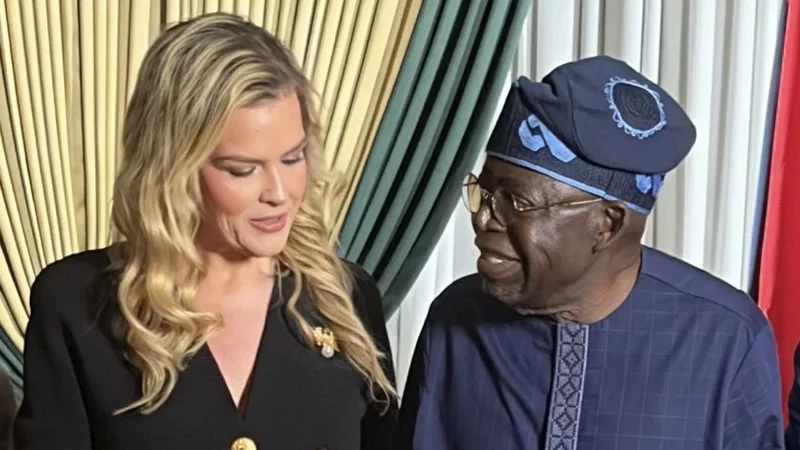

 Diana London, an American conservative lobbyist who interviewed President Bola Tinubu at Aso Rock, was linked to a $4.5 million Nigerian retainer, according to documents reported by Peoples Gazette.
The Gazette said London listed Aster Legal, acting for National Security Adviser Nuhu Ribadu, among her foreign clients in filings under the U.S. Foreign Agents Registration Act.
The filing reportedly described the payment as a retainer, completed on December 12, 2025.
London is affiliated with DCI Group, a U.S. lobbying firm that has worked for Nigerian interests, according to the report.
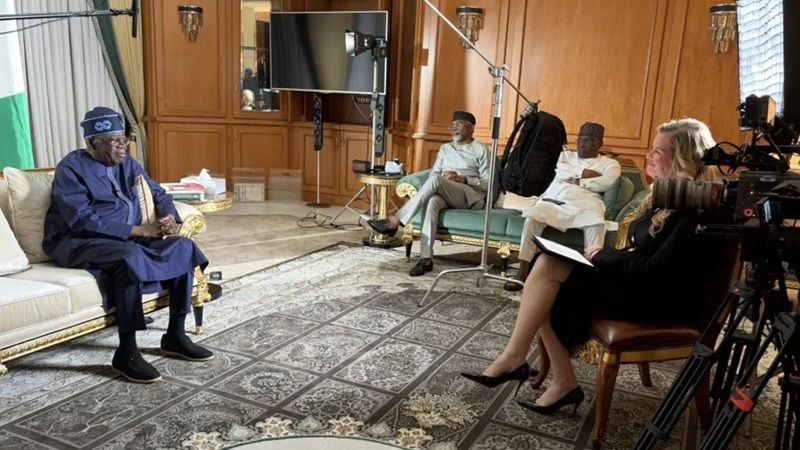
The Gazette said London arrived in Abuja on Tuesday and interviewed Tinubu, after which Nigerian officials and supporters circulated posts describing her as a journalist.
The publication characterized her as a lobbyist and reported that she is associated with political strategist Roger Stone.

The reported payment and London’s role raise questions about how the interview was presented and the distinction between journalism and paid advocacy.
Diana London Posts Praised Tinubu and U.S.–Nigeria Ties
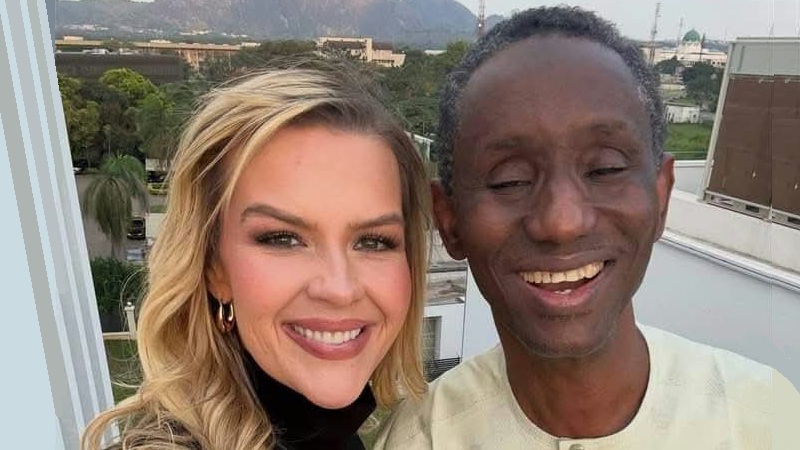
Diana London posted photographs with Tinubu and described Nigeria as the “America of Africa,” according to Peoples Gazette.
She praised the president’s economic leadership and portrayed Nigeria as an important U.S. ally.
In another post, she credited the partnership between Tinubu and U.S. President Donald Trump with strengthening regional security and protecting lives.

A separate message, supplied for this report, described the U.S.–Nigeria security partnership as delivering results and called Nigeria America’s “greatest ally in Africa.”
It also credited both presidents’ commitment to counterterrorism and said closer trade and economic ties offered extensive opportunities.

London has since deleted her post about coming to Nigeria, according to the information provided for this report.
Her other posts relating to Tinubu and Nigeria were also deleted, that account says.
The deletion has been independently confirmed from the available public reporting; the posts’ text was provided as context.
Retainer Was Reported as Part of Larger Lobbying Deal
Peoples Gazette reported that the $4.5 million payment to Diana London covered a retainer and cited filings submitted to the U.S. Justice Department.
The newspaper also linked London’s work to a broader lobbying effort involving DCI Group and Nigeria.
The reported contract drew attention because it came amid strained U.S.–Nigeria relations and President Trump’s criticism of Nigeria’s religious-freedom record.

The Gazette said Trump later invited Tinubu’s wife, Oluremi Tinubu, to the White House for end-of-year prayers.
The report did not establish that London’s interview caused any change in U.S. policy.
A presidential spokesman, Segun Dada, did not immediately respond to the Gazette’s request for comment, the newspaper reported.
The reported filing identifies a commercial relationship.
It does not, by itself, explain the interview’s editorial arrangements or whether payment was tied to the interview.
Diana London: Key Details and Outstanding Questions
The reported interview of Diana London with Tinubu took place at the Presidential Villa in Abuja.
The Gazette said her social media posts presented the meeting as a special occasion and emphasized closer ties between the two countries.
The central unanswered question is how viewers will be told about London’s lobbying work when the interview is released.
The publication reported that aides and supporters had described her online as a journalist, while its review of filings identified her as a lobbyist.
No response from Diana London or Aster Legal was included in the report.
The documents’ reported description of a retainer does not specify, in the article, whether London personally received the full amount or how the payment was distributed.
The distinction matters because audiences may assess an interview differently when its host has a financial relationship with the government being interviewed.
The available reporting supports scrutiny of the filing and disclosure, while leaving details of the interview’s production and compensation unresolved.