TD According to a Congolose analyst, Kambale Musavuli, “Patrice Lumumba was assassinated, buried, excavated, cut into pieces, then pieces thrown into acid to hide the evidence of the crime.
“They told us Congolese killed him in 1961. Today, Belgium is returning his tooth without any criminal investigation. That’s crime in itself”.
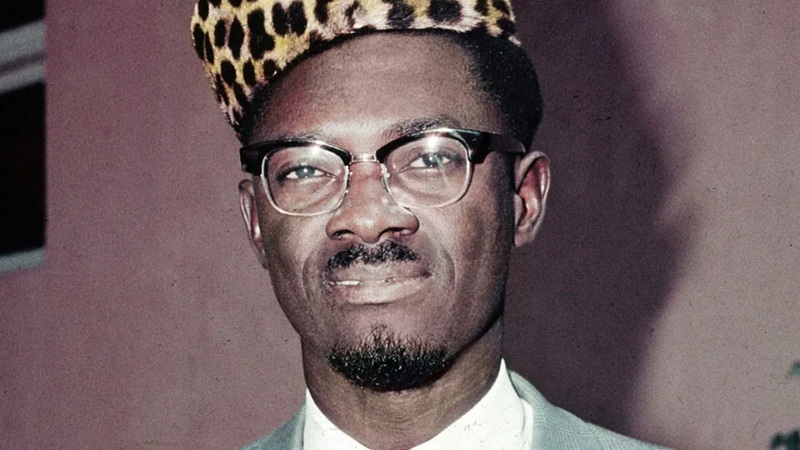
Patrice Lumumba was Congo’s first prime minister, and his crime was that he sought independence for his people and the right to determine their own future without foreign interference.
In 1961, he was assassinated following a series of events involving Belgian authorities and other foreign powers, and it was only after 61 years that Belgium returned his tooth to his family, accompanied by a formal apology.
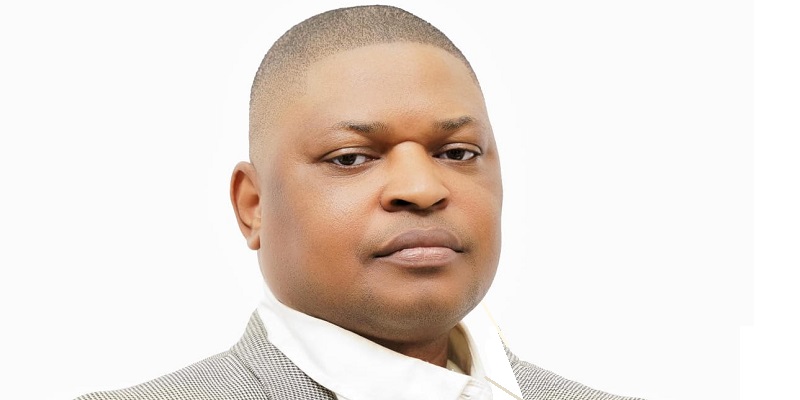
Executed alongside his associates, Maurice Mpolo and Joseph Okito, Lumumba’s assassination was carried out by a Katangan firing squad under the supervision of Katangan authorities and Belgian officers, with a wider conspiracy involving Belgian policy, covert CIA efforts to destabilise his leadership, and British opposition to his continued political influence.
While Belgium eventually apologised for its role in the circumstances surrounding his death, the United States and Britain are yet to say anything regarding their respective involvement and actions.

However, it is unfair that when foreign powers are implicated in the destruction of an African leader and the future of his country, we expect just an apology to compensate for such a gruesome crime.
An apology acknowledges that a wrong was committed, but it cannot be the only consequence of such a serious crime as murder.
When a person is murdered, an apology from the person responsible does not replace an investigation or remove the need for accountability.
So why should it be different when the victim is a leader who was killed in circumstances involving foreign powers?
Lumumba’s assassination was not just the loss of one man; it was also an attack on the right of the Congolese people to choose their own leader and determine their own future.
Belgium’s apology may acknowledge its role in the circumstances surrounding his death, but it does not answer every question about what happened or bring those responsible to justice.

An apology cannot return Lumumba’s life, give his family back the years they spent without him, or undo the consequences his assassination had for Congo.
The attack on Lumumba and the struggle for African sovereignty cannot be examined without looking back at the continent’s history of enslavement and colonial exploitation.
From the transatlantic slave trade to the European scramble for Africa, African lives and resources were repeatedly subjected to the interests of foreign powers.
While Liberia and Ethiopia largely escaped formal European colonisation during the Scramble for Africa, the rest of the continent experienced its own share of colonial rule.
However, the Congolese had a particularly brutal experience, especially under King Leopold II of Belgium, whose personal rule over the Congo Free State became one of the most notorious examples of colonial exploitation.
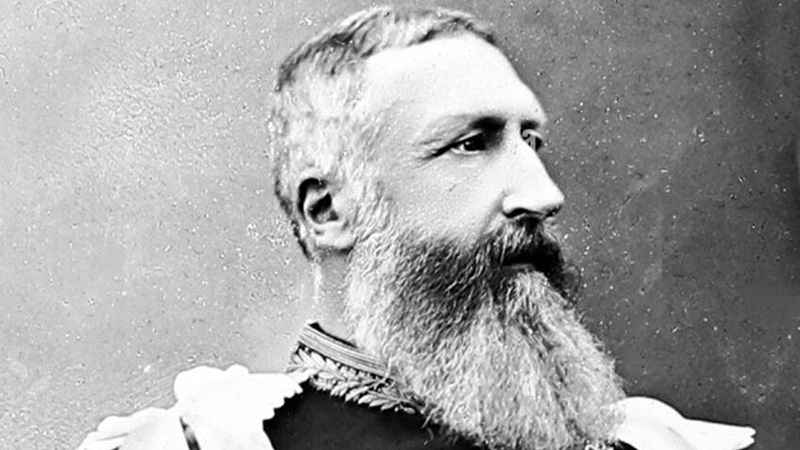
Leopold established the Force Publique, a military force to enforce his authority and compel the Congolese villagers to meet the demands of his administration.

Under his rule, Congolese communities were subjected to strict rubber and ivory collection quotas, with families held hostage, villages burned, and workers subjected to forced labour, starvation, and violence when they failed to meet their targets.
Men were forced into the forests to collect rubber, often leaving their families behind, while their wives and children were detained as hostages to ensure compliance.
As if this was not devastating enough, Leopold’s soldiers were required to account for the ammunition they used by presenting the severed hands of those they had killed.
This practice, intended to demonstrate that bullets had not been wasted, contributed to widespread mutilation, including the severing of hands from people who were still alive.
The Congolese were not merely exploited for their labour and resources, but their lives and dignity were treated as nothing in the pursuit of Leopold’s wealth and authority.
After news of Leopold’s atrocities was exposed, he was eventually forced to surrender the Congo territory in 1908.
However, this did not mean freedom for the Congolese. The exploitation continued under Belgian colonial rule, while almost all of Africa was still being colonized.
Resources and wealth were extracted from across Africa and shipped to Europe to build empires.
Notably, the Shinkolobwe mine in the Congo supplied uranium for the Manhattan Project, which produced the atomic bomb dropped on Hiroshima in 1945.
By 1960, the movement for independence was growing across Africa, and the Congo was also preparing to break free from Belgian rule.
In May of that year, the country held its first democratic elections, and Patrice Lumumba became its first prime minister.
During the independence ceremony on June 30, Lumumba spoke about the suffering the Congolese had endured under Belgian rule.
His speech challenged the version of colonial history presented by Belgium, and the Belgian government did not receive it well.
It marked the beginning of the trouble that would eventually cost him his life.
After a failed attempt to poison him, Lumumba, alongside Maurice Mpolo and Joseph Okito, was transferred to Katanga, where they were tortured and executed by a firing squad in the presence of Belgian officers.
To destroy evidence of their deaths, their bodies were cut into pieces and dissolved in sulfuric acid.
After 61 years, Belgium returned Lumumba’s tooth, the only known physical remains recovered and returned to his family.
It was only then that the Democratic Republic of the Congo was able to hold a state funeral for its first prime minister.
But Lumumba was not the only African leader whose death has been linked to foreign interference.
Other examples include Thomas Sankara of Burkina Faso, Sylvanus Olympio of Togo, and Félix-Roland Moumié of Cameroon.
Their stories, alongside Lumumba’s, raise questions about the role foreign powers played in the political affairs of newly independent African countries.
The deaths of these African leaders undermine the right of African countries to choose their own leaders, make decisions in their own interests, and determine their political future without pressure from outside powers.
What does independence mean if a country can gain freedom from colonial rule but still have its leadership and national decisions influenced by foreign governments?
Lumumba’s assassination reminds us that sovereignty is not just about having a flag or a national anthem.
It is also about having the freedom to decide what happens within your own country without another nation deciding otherwise.
Nonetheless, the return of Lumumba’s tooth is significant because, after 61 years, his family finally had some of his remains to bury, and the Democratic Republic of the Congo could give its first prime minister a state funeral.
For a country that had spent decades seeking answers about the death of its first democratically elected leader, this was an important moment.
However, returning his tooth does not mean that justice has been served.
His family deserved to know what happened to him, and the Congolese people deserved the truth about the circumstances surrounding his assassination.
A tooth cannot replace a life, and returning it cannot undo the years of pain his family endured or the consequences of his death for the country.
It also does not erase the responsibility of those involved or answer every question about the role played by foreign powers.
Belgium may have returned the only known surviving physical remains of Lumumba, but the bigger questions of accountability and reparations remain.
Most countries treat murder as a serious offense with serious consequences. In fact, murder defies the human right to life.
Hence, when a person is intentionally killed, there must be an investigation, and those responsible must be held accountable, regardless of their position or influence.
The deliberate killing of a country’s leader should not be treated any differently, especially when it involves foreign powers.
The death of a leader is not just the loss of one person but also an attack on the sovereignty of the country and its people, particularly when that leader was chosen to represent them.
For the Congo, accountability should go beyond Belgium acknowledging its role in Lumumba’s assassination.
It should include a full and transparent investigation into the events surrounding his death, the release of relevant historical records, and a clear account of the roles played by Belgium and other foreign powers.
The Congolese people and Lumumba’s family deserve the truth about what really happened, not decades of silence followed by an apology and the return of his tooth.
Accountability also means recognising that the assassination was not simply the loss of one man; it was an attack on the right of the Congolese people to determine their own future.
Reparations should also be part of that process.
This could include compensation for Lumumba’s family, support for historical research and education, the return of any remaining belongings or records, and practical measures agreed upon with the Congolese government and affected communities to address the lasting consequences of colonial exploitation and foreign interference.
This history should also be taught in Belgian schools.
The history of the Congo Free State, Belgian colonial rule, and Lumumba’s assassination is not just African history. It is also part of Belgium’s history.
Belgian students should learn about what was done in their country’s name, just as Congolese students learn about the history of their own country.
Teaching this history would help ensure that future generations understand the harm caused by colonialism.
Reparations cannot undo the past or bring Lumumba back to life, but Congo deserves more than words of regret; it deserves truth, accountability, and meaningful action.
Why Congo Must Demand Accountability of the Killing of Lumumba
The Democratic Republic of Congo, and Africa at large, must therefore demand accountability for the deaths of their leaders, foremost of which is Patrice Lumumba, and for the foreign interference that contributed to them.
An apology may acknowledge that something wrong was done, but it does not replace justice.
Those responsible must answer for their actions, and the people affected deserve more than the return of a tooth, a formal statement, or expressions of regret decades later.
If the sovereignty of African countries is to mean anything, then the lives of their leaders and the choices of their people must be treated with the same seriousness as those of any other nation.
Finally, an apology cannot be the end of justice every time it involves Africa. While apologies are welcomed, reparations should also be made.
However, it appears that grave crimes now end with apologies and this is one of the reasons conversations around slavery reparations have stalled for so long.
States must be held accountable because you cannot ask a sovereign country to simply forget the injustice deliberately done to it and its leaders.
An apology may acknowledge the wrong, but it does not erase the consequences or remove the responsibility of those involved.
Belgium’s apology and return of Lumumba’s tooth may be an acknowledgement of its past, but it cannot return Lumumba’s life, restore the years his family lost, or undo the consequences of his assassination.
This is not just about Lumumba or Congo.
It is about the many African countries whose sovereignty was undermined and whose leaders and people suffered because of foreign interference.
Africa deserves more than apologies. It deserves truth, accountability, restitution, and justice.
AUTHOR
Angwaomaodoko, the founder of Ejuchegahi Angwa Foundation, and a scholar at Kean University, writes via ejuchegahi.angwaomaodoko@gmail.com