


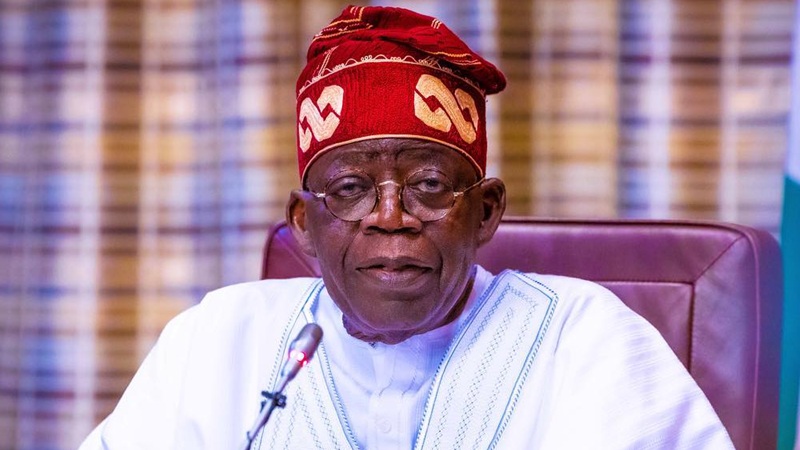

 The allegation that President Bola Ahmed Tinubu owns an oil refinery in Malta has circulated for years.
It resurfaced dramatically in 2024 during the confrontation between Aliko Dangote and Nigeria’s petroleum authorities.
However, the allegation raises important questions beyond ownership:
- Why did Nigeria import petroleum products from Malta under Goodluck Jonathan?
- Why did those imports disappear during much of Muhammadu Buhari’s presidency?
- Why did they return dramatically in 2023, Tinubu’s first year in office?
- And who actually benefited from the billions of dollars involved?
This Dawn News examined Maltese reporting, Nigerian investigations, international trade statistics, corporate ownership records and government disclosures.
Our findings reveal a significant distinction between what is established, what remains suspicious and what has not been proven.
The Allegation That Refuses to Disappear
For several years, allegations have circulated that President Tinubu and members of his family have interests in an oil facility in Malta.

The allegation gained renewed attention in July 2024, following revelations about Nigeria’s extraordinary petroleum imports from the Mediterranean island.
Some versions of the allegation identified Wale Tinubu, chairman of Oando Plc, as a principal behind the supposed Maltese operation.
Other accounts named President Tinubu himself, alleging that his family controlled an oil blending facility through Ras Hanzir Oil Terminal Limited.
However, these allegations frequently confused three distinct facilities: an oil refinery, an oil blending facility and an oil storage terminal.
Although these facilities operate within the petroleum industry, they perform different functions and can have entirely different ownership structures.
Understanding this distinction is essential to examining the Malta controversy and separating established facts from unsubstantiated claims.

What The Trade Figures Actually Reveal
On July 26, 2024, PUNCH reported Nigeria’s petroleum imports from Malta between 2013 and 2023, citing international trade statistics.
The figures were sourced from Trade Map, an international database that provides information about global merchandise trade and commodity movements.
According to the reported figures, Nigeria’s petroleum imports from Malta followed this pattern:
| Año | Import Value |
|---|---|
| 2013 | $47.5 million |
| 2014 | $59.98 million |
| 2015 | $117.01 million |
| 2016 | $13.32 million |
| 2017 | Zero recorded |
| 2018 | Zero recorded |
| 2019 | Zero recorded |
| 2020 | Zero recorded |
| 2021 | Zero recorded |
| 2022 | Zero recorded |
| 2023 | $2.08 billion |
The figures reveal an extraordinary pattern, showing that Nigeria’s petroleum trade with Malta experienced significant fluctuations over the period.
Nigeria imported petroleum products from Malta during Goodluck Jonathan’s administration, with imports continuing into Buhari’s first year.
However, the recorded value declined sharply in 2016, followed by six consecutive years without recorded imports.

The figures then showed a dramatic return in 2023, coinciding with Tinubu’s assumption of office and the removal of petrol subsidy.
The reported $2.08 billion represented an extraordinary increase compared with the previous recorded figure of $13.32 million.
Nevertheless, annual trade statistics cannot establish whether Tinubu personally authorised these transactions or exercised control over the exporting facilities.
They also cannot independently demonstrate that the President owned any company involved in supplying petroleum products to Nigeria.
Despite these limitations, the timing and scale of the reported increase demand further investigation by relevant Nigerian authorities.
An Important Correction To The Reported Figures
There is an important statistical discrepancy in Nigerian media reports concerning the actual value of petroleum imports from Malta in 2023.
PUNCH’s July 26, 2024 report carried the headline, “Nigeria Imported $2.25bn Fuel From Malta,” although its accompanying figures stated $2.08 billion.
The report also contained a reference to $2.8 billion, creating further confusion about the precise value of the transactions.
TheCable and BusinessDay independently reported the $2.08 billion figure, making it the more consistently cited amount.
Another important qualification concerns the international commodity classification used to calculate the reported petroleum import figures.
The relevant trade category covers petroleum oils and products obtained from bituminous minerals, rather than finished petrol alone.
Consequently, the figures do not establish that every dollar represented petrol supplied directly to Nigerian consumers.
The classification can include several petroleum products, making it inaccurate to describe the entire amount exclusively as petrol imports.
What Happened In Malta?
Our investigation examined Maltese reporting about the facilities implicated in Nigeria’s petroleum import controversy and their actual commercial operations.
One important discovery concerns Ras Ħanżir, a location associated with Malta’s petroleum storage infrastructure and international petroleum trading activities.
Maltese publication MaltaToday investigated the controversy following allegations made by Nigerian industrialist Aliko Dangote.
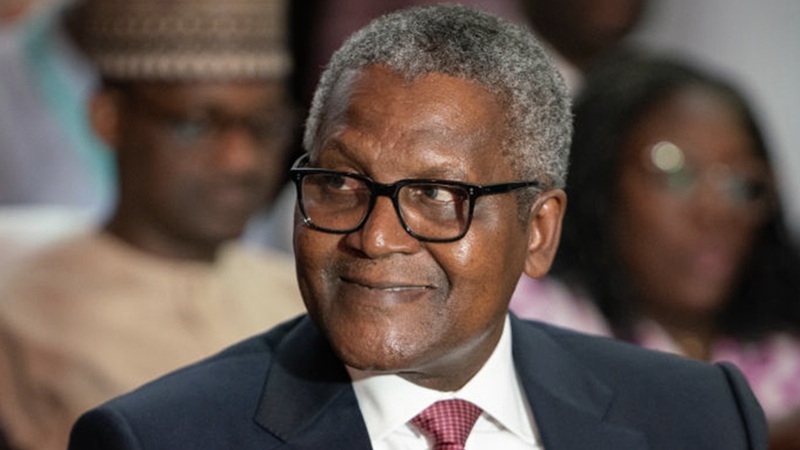
Its July 30, 2024 report explained that Ras Ħanżir contains oil storage infrastructure owned by Enemed .
Enemed is Malta’s government-owned petroleum company, operating storage facilities and providing services to international petroleum traders.
This distinction is particularly important because petroleum storage and blending do not necessarily involve refining crude oil into finished products.
Malta operates as an important location for petroleum storage, blending and transshipment within international trading arrangements.
Blending involves combining different petroleum components to achieve particular product specifications, rather than converting crude oil through conventional refining processes.
An EU Energy Assessment confirms that Malta has no conventional oil refineries, an important distinction in evaluating the allegations.
Therefore, describing the alleged facility as a conventional refinery in Malta is technically inaccurate.
The actual controversy concerns possible interests in petroleum blending, storage and trading operations, rather than ownership of a conventional refinery.
What The Maltese Government Reveals
An important document emerged from Malta’s government in June 2024, providing further context about the country’s petroleum storage infrastructure.
On June 1, 2024, Malta’s ministry responsible for energy issued a statement concerning Enemed’s petroleum storage operations.
The government confirmed that Enemed had moved operations to its newer Ħas-Saptan facility following developments involving its older installation.
It also confirmed the decommissioning of the old fuel storage installation at Birżebbuġa, providing details about the transition.
The announcement established that Malta maintains significant petroleum storage infrastructure supporting its domestic distribution system and wider commercial operations.
It also identified Enemed as an important operator within the country’s petroleum distribution and storage arrangements.
However, the government disclosure did not identify Tinubu, his family or any Nigerian political figure as an owner.
The statement therefore provides useful information about Malta’s petroleum infrastructure, but does not substantiate the alleged Nigerian ownership connection.
The Mysterious Ras Hanzir Oil Terminal Limited
One company became central to the ownership allegations circulating widely across Nigerian social media platforms.
It was identified as Ras Hanzir Oil Terminal Limited, allegedly responsible for controlling Maltese petroleum storage and blending facilities.
Some publications further alleged that Wale Tinubu and members of President Tinubu’s family controlled the purported company.
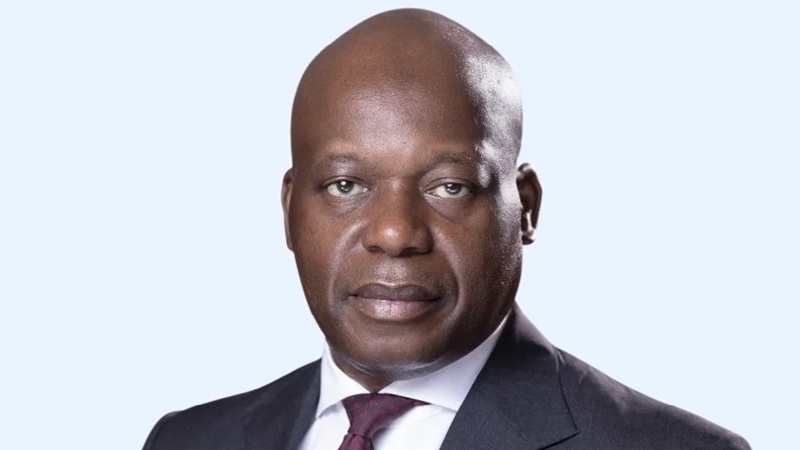
However, investigations encountered a significant problem concerning whether the alleged company actually existed as a registered Maltese entity.
On July 26, 2024, Oando Plc publicly rejected the allegations and denied any connection with the purported Maltese company.
The company stated that neither Oando nor its executives had ever held shares, investments or interests in that entity.
More importantly, Oando said it had searched Malta’s official business registry for the company’s registration records.
According to Oando, that search produced no record of Ras Hanzir Oil Terminal Limited, which it described as fictitious.
Maltese publication MaltaToday subsequently reported Oando’s position, bringing the corporate denial into the wider public discussion.
The denial seriously undermines the specific allegation that the Tinubu family owned the company identified in those reports.
However, Oando’s statement does not establish that no Nigerian individual has interests in other Maltese petroleum businesses.
That wider question requires separate investigations into corporate ownership records, beneficial interests and relevant international commercial arrangements.
What Is Malta’s Official Corporate Registry?
The Malta Business Registry is the country’s official corporate registration authority, responsible for maintaining records of registered companies and commercial entities.
It also provides access to corporate documentation and beneficial ownership information under applicable legal and regulatory arrangements.
The registry is therefore an important starting point for investigating claims involving companies allegedly registered or operating in Malta.
However, corporate records and beneficial ownership information are not necessarily accessible through unrestricted public searches.
Consequently, establishing direct or indirect ownership may require examining relevant corporate filings and other documentary evidence.
These records can include shareholders, directors, holding companies and beneficial ownership declarations associated with the companies under investigation.
Our investigation found no credible public documentary evidence establishing President Tinubu’s ownership of a Maltese refinery or blending facility.
We also found no verified corporate documentation directly linking him to Ras Hanzir Oil Terminal Limited.
Dangote’s Explosive Intervention
The controversy became national news following comments made by Aliko Dangote during the dispute over Nigeria’s petroleum industry.
On July 22, 2024, the Dangote Group president addressed the House of Representatives and raised concerns about petroleum importation.
He alleged that some NNPC officials and petroleum traders had established blending plants in Malta.
Dangote said these facilities were involved in activities affecting Nigeria’s petroleum importation arrangements and the interests of domestic refiners.
His intervention came amid a bitter disagreement with petroleum regulators over the quality of products from his refinery.
The disagreement also concerned the regulation of imported petroleum products and the competitive conditions facing domestic refining operations.
Dangote argued that powerful interests were benefiting from continued petroleum imports despite the emergence of local refining capacity.
His allegations generated enormous public interest and intensified scrutiny of Nigeria’s petroleum importation arrangements.
However, Dangote did not publicly identify Tinubu as the owner of a Maltese petroleum facility.
His statements concerned alleged interests involving NNPC personnel and petroleum traders, rather than establishing presidential ownership.
That distinction matters when evaluating subsequent claims circulating on social media about the President and his family.
Mele Kyari’s Response
The then NNPC Group Chief Executive Officer, Mele Kyari, rejected allegations that he owned or operated a Maltese blending facility.
On July 23, 2024, Kyari issued a public response denying ownership or operation of any such business.
He said he neither owned nor operated any business directly or indirectly outside Nigeria.
He also denied knowing any NNPC employee who owned or operated a Maltese blending facility.
Kyari challenged those making the allegations to identify the individuals involved and provide evidence supporting their claims.
His response constituted a denial, rather than an independent investigation establishing the ownership of every relevant Maltese facility.
Nevertheless, it placed responsibility on Dangote and other accusers to provide verifiable evidence supporting their allegations.
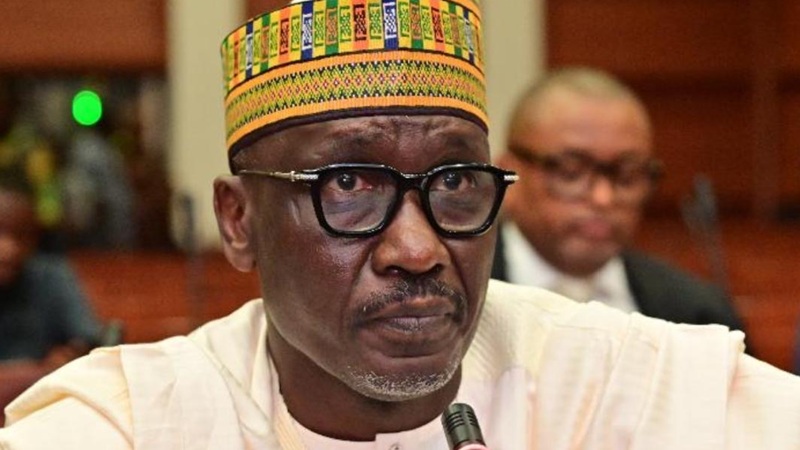
Who Benefited From The Malta Imports?
One of the most revealing Nigerian investigations into the Malta petroleum trade was published by TheCable.
On August 16, 2024, TheCable published an investigation identifying Abdulkabir Adisa Aliu, founder of Matrix Energy.
Aliu is also a member of President Tinubu’s Presidential Economic Coordination Council, a connection that attracted considerable public attention.
The publication identified Matrix Energy as one of the significant importers associated with petroleum shipments through Malta.
TheCable reported that petroleum products were transferred between vessels before eventually reaching Nigerian terminals.
Its investigation also examined transactions involving intermediate companies and shipping arrangements within the international petroleum supply chain.
The report raised important questions about transparency in petroleum trading and the identities of companies benefiting from the transactions.
It also highlighted the need to investigate traders and importers, rather than focusing exclusively on alleged refinery ownership.
Matrix Energy subsequently defended its operations, maintaining that the company had committed no wrongdoing.
Importantly, TheCable’s findings did not establish that President Tinubu owned Matrix Energy or the Maltese facilities.
However, the investigation demonstrated that politically connected business figures participated in Nigeria’s petroleum import ecosystem.
Their commercial activities and possible relationships with public officials therefore remain legitimate subjects for further scrutiny.
Why Did Imports Disappear Under Buhari?
The historical trade figures raise another important question about Nigeria’s petroleum importation arrangements between 2017 and 2022.
Why did Nigeria’s reported petroleum imports from Malta fall to zero during those six consecutive years?
The answer cannot be established from the trade figures alone, without examining the underlying commercial and shipping documentation.
Several factors could influence international petroleum trade routes, including changes in suppliers and commercial relationships.
Other possible explanations include revised trading arrangements, alternative shipping routes and changes in the countries supplying Nigerian importers.
The absence of recorded imports does not necessarily establish that no petroleum originating from Malta entered Nigeria through intermediaries.
International trade statistics frequently distinguish between countries of origin and countries of consignment, which can produce different reporting outcomes.
This distinction is particularly important in petroleum trading, where products frequently move through several countries before reaching their destinations.
Products can originate in one country, undergo blending or transshipment elsewhere, and eventually reach another destination.
Consequently, Malta’s recorded export figures require comparison with Nigeria’s import records and relevant shipping documentation.
Why Did Imports Surge Under Tinubu?
Nigeria’s petroleum importation arrangements changed significantly in 2023, following major developments in the country’s downstream petroleum market.
President Tinubu announced the removal of the petrol subsidy during his inauguration on May 29, 2023.
The decision fundamentally changed Nigeria’s downstream petroleum market, with petrol prices increasing dramatically across the country.
Despite the policy change, Nigeria continued depending heavily on imported petroleum products during the period under review.
The reported value of petroleum imports from Malta consequently rose to $2.08 billion in 2023.
This coincidence raises legitimate questions about procurement decisions, import licences and the commercial beneficiaries of the transactions.
However, the increase cannot independently prove presidential ownership or establish the President’s personal financial involvement.
A proper investigation must establish the identities of importers, suppliers, beneficial owners and officials responsible for procurement decisions.
It must also determine whether any public officials benefited financially, directly or indirectly, from the transactions.
Our Findings: What Is Established And What Remains Unproven?
After examining the available Maltese and Nigerian evidence, several conclusions emerge concerning the controversy and its principal allegations.
First, Nigeria imported substantial petroleum products from Malta, according to the historical trade figures reported by Nigerian publications.
The reported figures establish that petroleum trade existed before Tinubu’s presidency and increased extraordinarily in 2023.
Second, Malta has petroleum storage and blending infrastructure supporting international petroleum trading and transshipment activities.
However, Malta does not have conventional oil refineries, making the distinction between refining and blending particularly important.
Third, the alleged Ras Hanzir Oil Terminal Limited has not been established as a genuine registered Maltese company.
Oando said its search of Malta’s corporate registry produced no record of the entity identified in the allegations.
Fourth, Oando denied ownership of the alleged company and rejected claims that its executives held interests in it.
Fifth, Nigerian importers and politically connected business figures deserve further scrutiny because of their involvement in petroleum trading.
TheCable’s investigation identified Matrix Energy founder Abdulkabir Aliu among significant importers associated with petroleum shipments through Malta.
Sixth, no verified documentary evidence establishes President Tinubu’s ownership of a Maltese refinery or blending facility.
The allegation therefore remains unsubstantiated, although that does not prove that no undisclosed indirect interests exist.
Establishing whether such interests exist would require access to relevant corporate ownership records and financial documentation.
Questions Nigerian Authorities Must Answer
The controversy should not end with corporate denials or social media fact-checks, given the substantial public interest involved.
Nigeria’s petroleum importation arrangements involve billions of dollars and therefore require transparency, accountability and independent scrutiny.
The following questions deserve formal answers from relevant government agencies and petroleum industry regulators:
- Which companies imported petroleum products from Malta between 2013 and 2023, and what quantities did each company receive?
- Who were the ultimate beneficial owners of those importing companies, including any foreign holding companies or intermediaries?
- Which Nigerian companies received the imported products, and which organisations handled their distribution within the country?
- Who approved the relevant import licences and procurement arrangements, and what procedures governed those decisions?
- Why did recorded imports from Malta disappear between 2017 and 2022, despite Nigeria’s continued dependence on petroleum imports?
- What commercial or regulatory developments triggered the extraordinary increase in reported imports during 2023?
- Were any politically exposed persons direct or indirect beneficiaries of the petroleum transactions involving Malta?
- Did any Nigerian public officials maintain undisclosed interests in foreign petroleum trading companies or related commercial entities?
- Were the petroleum products blended in Malta, merely stored there, or shipped through Malta from other countries?
- What were the actual countries of origin of the petroleum products imported into Nigeria through Malta?
These questions require documentary answers supported by import records, corporate filings, shipping manifests and relevant financial disclosures.
Conclusion: The Malta Mystery Is Bigger Than Tinubu
The allegation that President Bola Ahmed Tinubu owns a refinery in Malta has not been substantiated by credible documentary evidence.
Indeed, Malta has no conventional oil refinery, although it maintains petroleum storage and blending infrastructure for international trading activities.
The controversy largely concerns petroleum storage, blending and international trading operations rather than conventional crude-oil refining.
The alleged company, Ras Hanzir Oil Terminal Limited, also faces serious questions about its existence as a registered Maltese entity.
Nevertheless, Nigeria’s petroleum imports from Malta reveal a significant commercial development that deserves closer examination.
Reported imports increased from $47.5 million in 2013 to $2.08 billion in 2023, according to the figures examined.
That extraordinary increase deserves a comprehensive investigation into the companies involved and the officials responsible for procurement decisions.
The disappearance of recorded imports during Buhari’s administration also deserves explanation, particularly given Nigeria’s continued reliance on imported petroleum.
So does their dramatic return under Tinubu, which coincided with major changes in the country’s downstream petroleum market.
Nigeria needs transparency about the companies involved, their beneficial owners and the officials responsible for petroleum procurement.
The central question should not simply be whether Tinubu owns a refinery in Malta, as the available evidence remains inconclusive.
It should also examine whether politically connected individuals benefited from Nigeria’s dependence on imported petroleum products.
Until documentary evidence answers these questions, allegations must remain allegations rather than being presented as established facts.
But the billions of dollars involved demand accountability, transparency and a credible investigation by the appropriate Nigerian authorities.
This Dawn News will continue following the Malta petroleum controversy as further evidence and verifiable information become available.