TD ABUJA, FCT — Public servants under the Joint National Public Service Negotiating Council (JNPSNC) have reaffirmed plans to embark on a three-day warning strike from Friday, October 2, 2026, if the Federal Government fails to address their demands over the rising cost of petrol, workers’ wages and negotiations for a new national minimum wage.
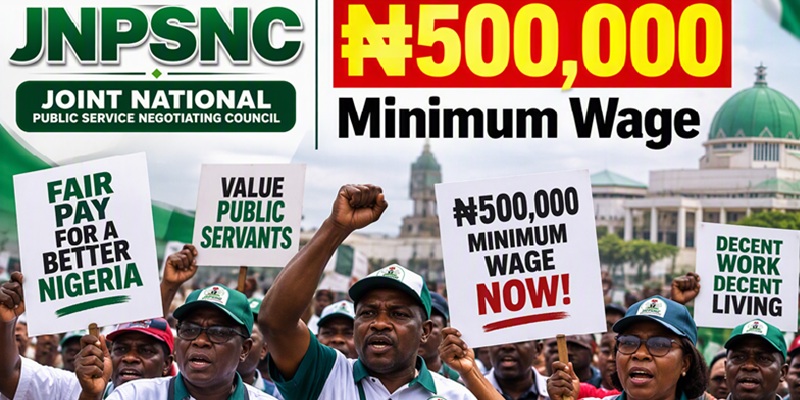
The council said its September 30 ultimatum to the government remains in force (see the circular below).
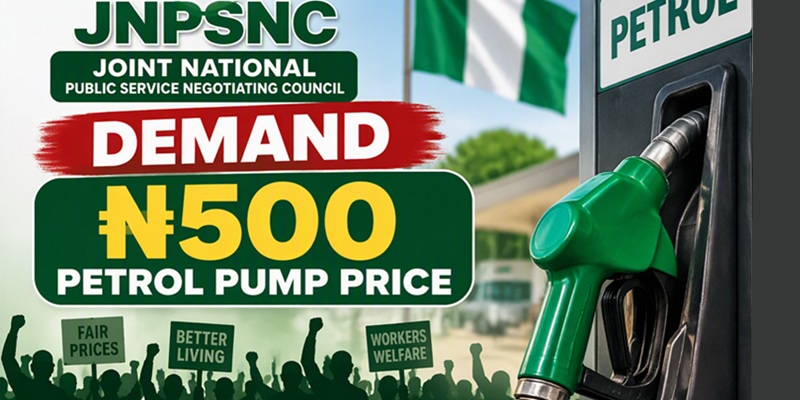
The workers are demanding a reduction of petrol prices to ₦500 per litre and an immediate wage award.
They also demand the commencement of negotiations for a new minimum wage expected to take effect in 2027.
The warning was contained in a statement issued by JNPSNC National Secretary, Gbenga Olowoyo.

Olowoyo is also General Secretary of the Nigeria Civil Service Union.
JNPSNC Demand ₦500 Petrol
The JNPSNC said the Federal Government should take urgent measures to reduce the pump price of Premium Motor Spirit (PMS) to ₦500 per litre.
The council said the current cost of petrol was placing severe pressure on workers, their dependants and other Nigerians.
According to the council, petrol prices currently range from about ₦1,450 to ₦2,000 per litre, with prices reaching as high as ₦2,500 in some locations outside major communities and cities.
The workers proposed the creation of an intervention fund to address the landing cost of petrol and support operators in the oil and gas sector.
They also urged the Federal Government to ensure that crude oil is supplied to the Dangote Refinery and modular refinery operators on appropriate terms.

The council said increased domestic refining would help bring down the cost of petroleum products.
Demand for Immediate Wage Award
The workers are also demanding an immediate wage award to cushion the effects of the prevailing economic hardship.
The council said the measure was necessary to support workers and their dependants while negotiations for a new minimum wage are being prepared.
The JNPSNC said urgent action on the demands would enable public servants to maintain their commitment and productivity within the public service.
JNPSNC Seek ₦500,000 Minimum Wage From 2027
The council’s demands extend beyond immediate relief.
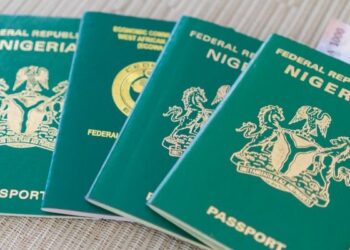
In a September 21 letter to President Bola Tinubu, the JNPSNC called for negotiations for a new national minimum wage of not less than ₦500,000 per month from 2027.

The council has also demanded the immediate establishment of a tripartite committee to begin negotiations on the new minimum wage.
It said early constitution of the committee would help prevent administrative or procedural delays that could affect implementation after negotiations are concluded and any new wage law is passed by the National Assembly.
Nigeria’s current national minimum wage is ₦70,000 per month.
October 2 Strike Threat
The JNPSNC said it had expected the Federal Government to respond to its demands by September 30.
It expressed disappointment that, more than a week after its September 21 letter to the President, there had been no visible action addressing the issues.
The council therefore warned that failure to act by the deadline would leave workers with “no option” but to begin the three-day warning strike on Friday, October 2.
The council also called on President Tinubu to address the issues in his October 1 Independence Day broadcast.
Reports on October 1 indicate that the unions have maintained their position and that the proposed industrial action is scheduled to begin on October 2.
Eight Unions Under JNPSNC
The JNPSNC comprises eight public-sector unions.
They include:
- Nigeria Civil Service Union (NCSU)
- Medical and Health Workers Union
- Association of Senior Civil Servants of Nigeria (ASCSN)
- National Association of Nigerian Nurses and Midwives
- Amalgamated Union of Public Corporations, Civil Service Technical and Recreational Employees
- Nigeria Union of Public Service, Reportorial, Secretarial, Data Processors and Allied Workers
- National Union of Printing, Publishing and Paper Products Workers
- National Union of Agriculture and Allied Employees.
The proposed action therefore has implications for a broad range of public-sector workers.
Workers Blame Rising Living Costs
The JNPSNC said the high cost of petrol has contributed significantly to the economic pressure facing workers.
It argued that expensive fuel increases transportation costs and adds pressure to the cost of essential goods and services.
The union body said the situation was making it increasingly difficult for workers, their families and other vulnerable Nigerians to maintain what it described as normal and dignified living conditions.
The broader economic pressures followed major policy changes under the Tinubu administration, including the removal of the petrol subsidy and the liberalisation of the foreign-exchange market.
The Federal Government has maintained that the reforms are intended to stabilise the economy and create conditions for long-term growth.
Government Faces Fresh Labour Pressure
The proposed warning strike comes amid continuing disagreements over how quickly workers’ earnings should be adjusted to reflect changes in living costs.
The immediate demands by JNPSNC are focused on petrol prices and wage relief, while its longer-term demand is for negotiations toward a new minimum wage from 2027.
For now, the key deadline is October 2, when the council says the three-day warning strike will begin if its demands remain unaddressed.
The Federal Government’s response to the workers’ demands will determine whether the threatened industrial action proceeds.