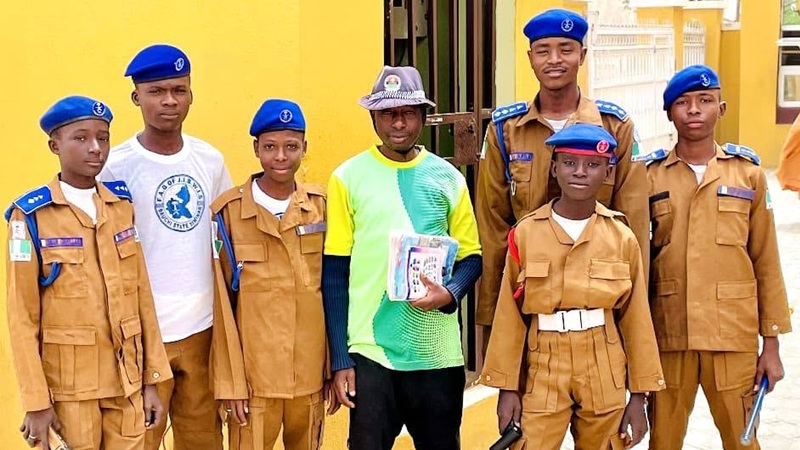

 ABUJA, Nigeria — A disturbing video circulating on social media, featuring members of the First Aid Group (F.A.G.) of Jama’atu Izalatil Bid’ah Wa Iqamatis Sunnah (JIBWIS), has triggered fresh concerns about religious intolerance in Nigeria.
It also raised serious concerns about indoctrination of children and the potential for inflammatory rhetoric to threaten Nigeria’s fragile interfaith relations.
Watch the video clip below:
Analysis of the Video Featuring JIBWIS Children
The footage appears to show a JIBWIS official leading a group of young children and other participants in a street exercise involving jogging and chanting in Hausa language.
The video has drawn particular attention because of remarks attributed to the person leading the activity.
The concluding commentary accompanying the recording expresses alarm and disgust over the video.

The narrator described it as the teaching of hatred and violence to children in the name of religion.
The video raises serious questions about child protection, public safety and the responsibilities of religious organisations.
Disturbing Allegations in the Video
FCT Minister Nyesom Wike’s media aide, Lere Olayinka, has called on the Department of State Services (DSS) and the Nigeria Police Force to investigate the footage.
Reports identified the group shown in the recording as members of the JIBWIS First Aid Group, reportedly participating in a drill.
A translation of the leader’s remarks suggested that he was calling for an AK-47 rifle to be provided to someone who would then go to Enugu and Jos to attack people described as “infidels”.
The reported translation also refers to Sunday worship and sounds imitating gunfire.

These are grave allegations.
However, the identity of the speaker, the precise context of the exercise and the complete meaning of the Hausa remarks require independent verification.
This Dawn News has independently established the authenticity and full context of the recording.
Narrator Expresses Alarm Over Alleged Indoctrination of Children by JIBWIS Officials
In the concluding commentary accompanying the audio, the narrator expresses alarm at what he portrays as the teaching of hatred and hostility to children in public.
He questions how such JIBWIS activity could take place openly and asks where the relevant authorities are.
He also refers to religious differences, the teaching of children in government schools and an alleged incident involving an SSS office.

Some portions of the Hausa recording are difficult to understand, and the available audio does not permit a definitive, word-for-word translation of every statement.
Nevertheless, the narrator’s central concern is apparent: he fears that children could be exposed to rhetoric encouraging religious hostility.
That concern deserves serious attention.
Children should not be recruited into activities that encourage violence against people because of their faith, and any credible allegation of such conduct warrants prompt, impartial investigation.
Why the Allegations Are So Serious
Nigeria’s religious diversity makes the responsible handling of potentially inflammatory speech particularly important.
Statements advocating violence against people on account of their religion were accurately translated and verified.
They would go beyond ordinary religious expression and raise legitimate public-safety concerns.
The prospect of children being exposed to such messages is especially troubling.
Children are entitled to protection from exploitation, coercion and the normalisation of violence.
Religious instruction, community activities and physical training should not be used to encourage hostility towards other faith communities.
At the same time, the allegations must be directed at the individuals responsible for any proven conduct—not used to condemn an entire religion or its adherents.
Accountability should be based on evidence, individual responsibility and the law.
The relevant authorities should establish what was said, which JIBWIS official said it, the purpose of the exercise, whether the footage is complete and authentic, and whether any criminal offence was committed.

JIBWIS: DSS, Police Urged to Establish the Facts
Olayinka’s reported appeal for an investigation places renewed attention on the responsibility of security agencies.
They ought to assess credible allegations of incitement before they escalate into threats or violence.
The DSS and the police should examine the original recording and obtain a reliable translation by qualified Hausa speakers.
They should also identify the JIBWIS participants and seek explanations from the organisation reportedly associated with the exercise.
Any response should be evidence-based and consistent with due process.
If investigators establish that individuals threatened or incited violence, appropriate legal action should follow.
If the recording has been misinterpreted or taken out of context, the facts should also be made public to prevent misinformation and communal suspicion.
As of publication, this report has not established that the authorities have completed an investigation or confirmed the allegations.
No response from the group identified in the report has been independently verified for inclusion here.
A Call for Accountability and Religious Tolerance
The reported remarks by JIBWIS are deeply disturbing if the translation is accurate.
No religious belief can justify threats against innocent people, and no child should be taught to regard fellow citizens as legitimate targets because they worship differently.
The appropriate response is neither silence nor collective blame.
It is a prompt, transparent investigation, protection of children, accountability for any proven incitement and a clear commitment to peaceful coexistence.
Nigeria cannot afford rhetoric that deepens religious suspicion or places communities at risk.
Authorities must establish the facts, and any organisation whose members are implicated should cooperate fully with a lawful investigation.
This Dawn News will distinguish verified findings from allegations as further credible information becomes available.